A textured fringe uses layering, point cutting, or light razor work to break up density at the front. It creates separation, movement, and a relaxed finish. The fringe doesn’t sit as one solid line. It falls in pieces that shift naturally. Textured fringe works on short, medium, and long cuts with small adjustments. It suits straight and wavy hair best, though curls can adapt with the right shaping. The result feels modern and easy to wear. You get structure without stiffness, which makes daily styling simple.
Why Textured Fringe Adds Movement Without Weight
Textured fringe works because it removes bulk while keeping shape. The uneven edges create depth and prevent the fringe from looking flat. This adds volume without needing heavy products. It also softens facial features by avoiding harsh lines.
It adapts well to different face shapes and routines. You can keep it subtle with light texturing or push it toward a more defined, piecey look. It blends easily into layers, which helps it grow out smoothly. This keeps maintenance low and styling flexible.
8 Textured Fringe Styles That Stay Effortless
Classic Textured Fringe
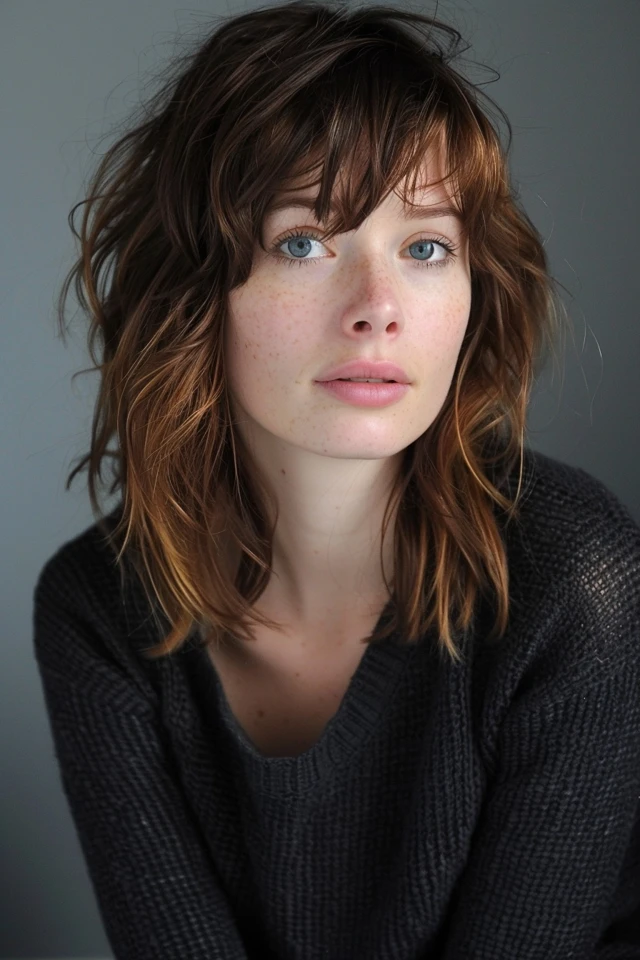
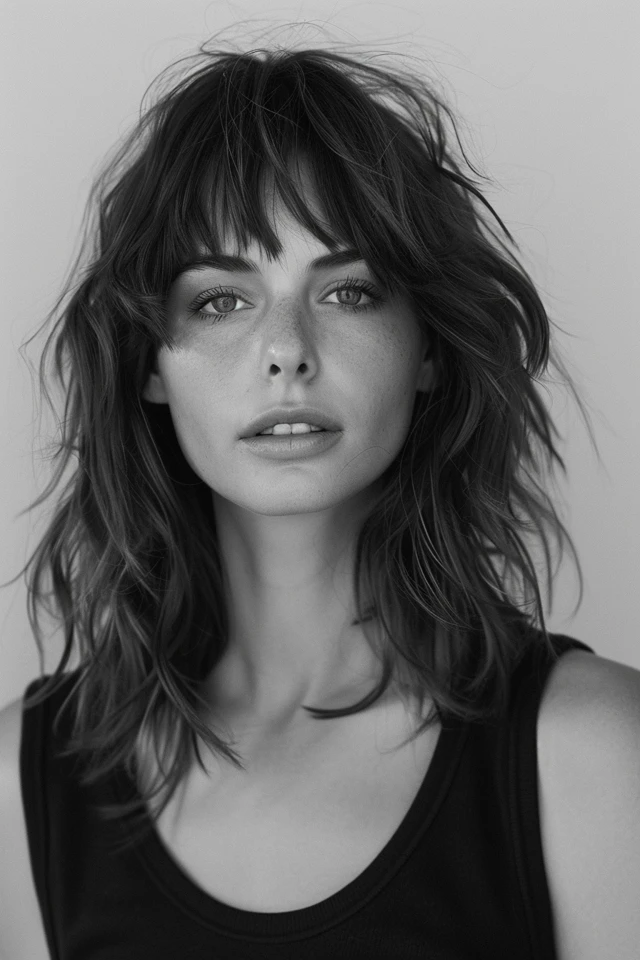
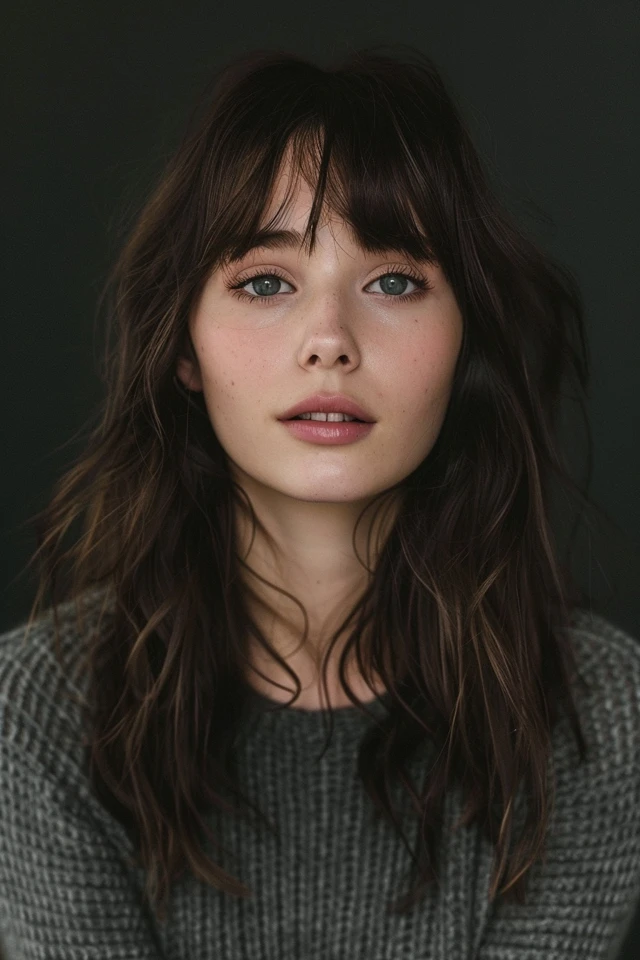
This version keeps light separation with a soft, natural finish. It suits oval and heart-shaped faces by maintaining balance. Straight to wavy hair works best. Use a light texturizing spray for definition.
1
2
3
4
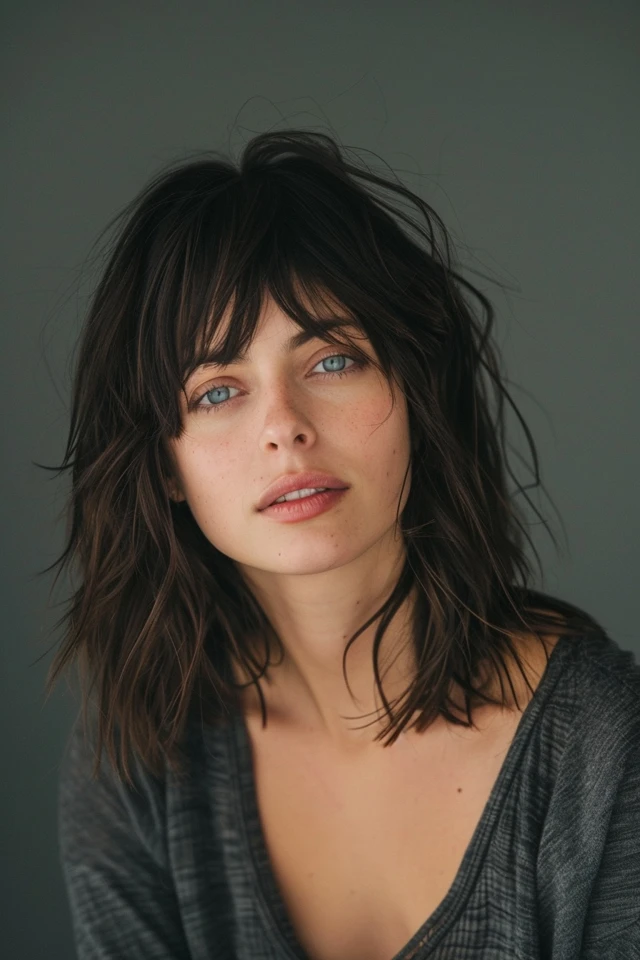
The fringe falls in small sections rather than a solid block. The rest of the hair stays simple with light layers. This creates a clean but relaxed look. It works well for both casual and professional settings.
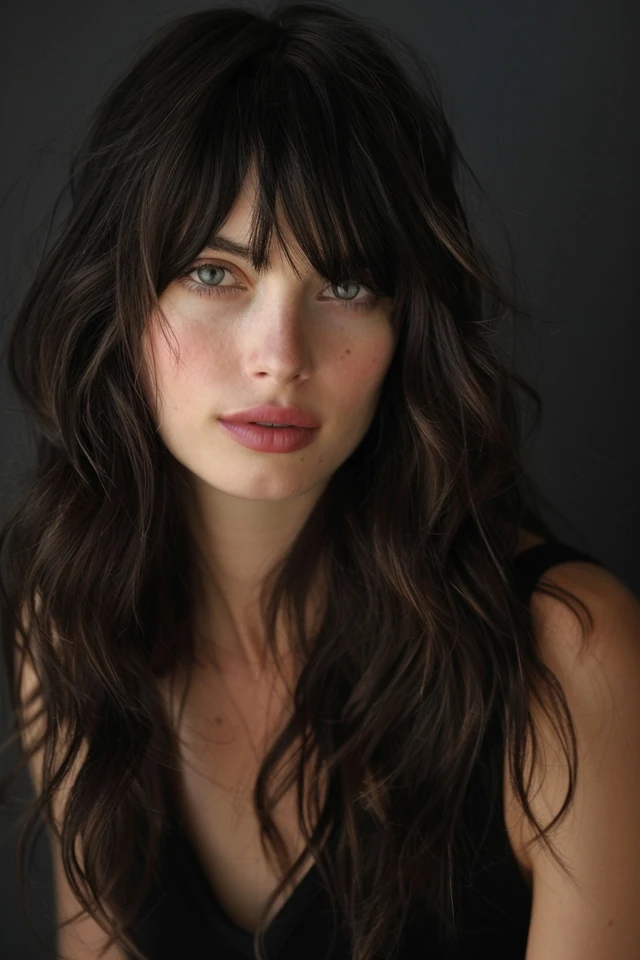
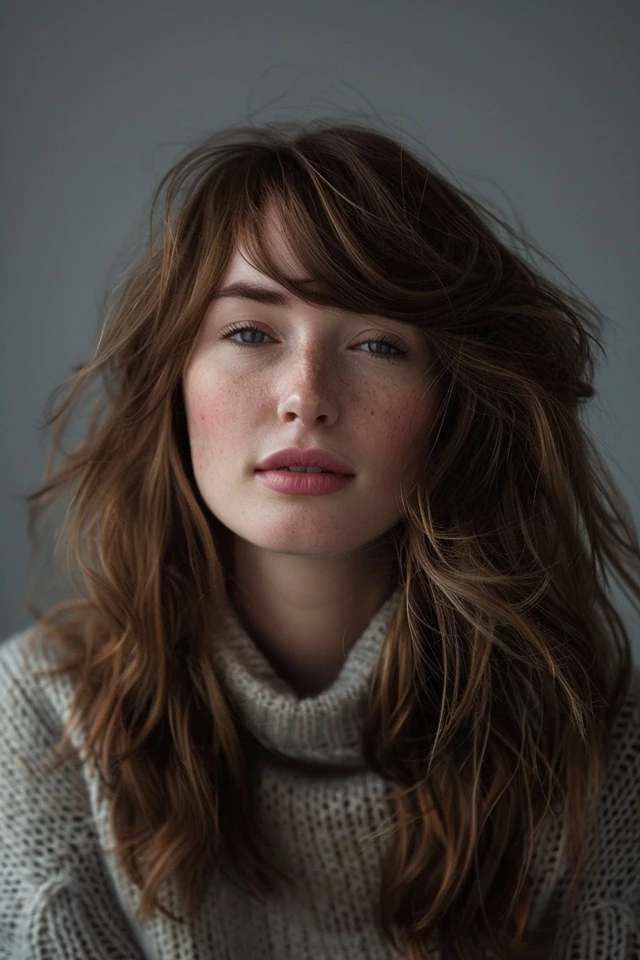
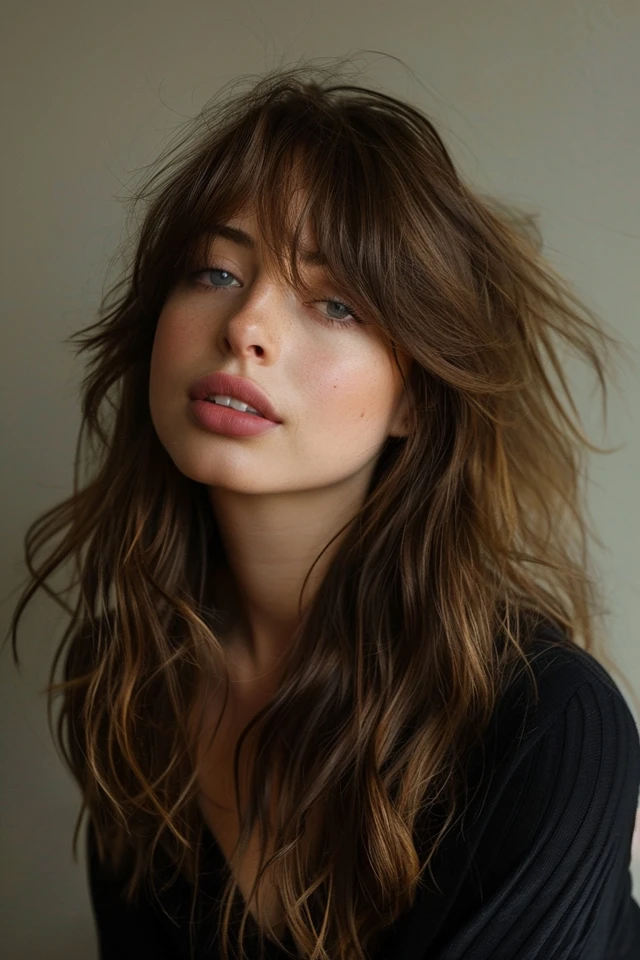
Textured Fringe with Long Layers
Pairing a textured fringe with long layers creates flow and movement. It suits square faces by softening strong angles. Thick hair benefits from the added lightness. Use a lightweight serum on the ends.
1
2
3
4
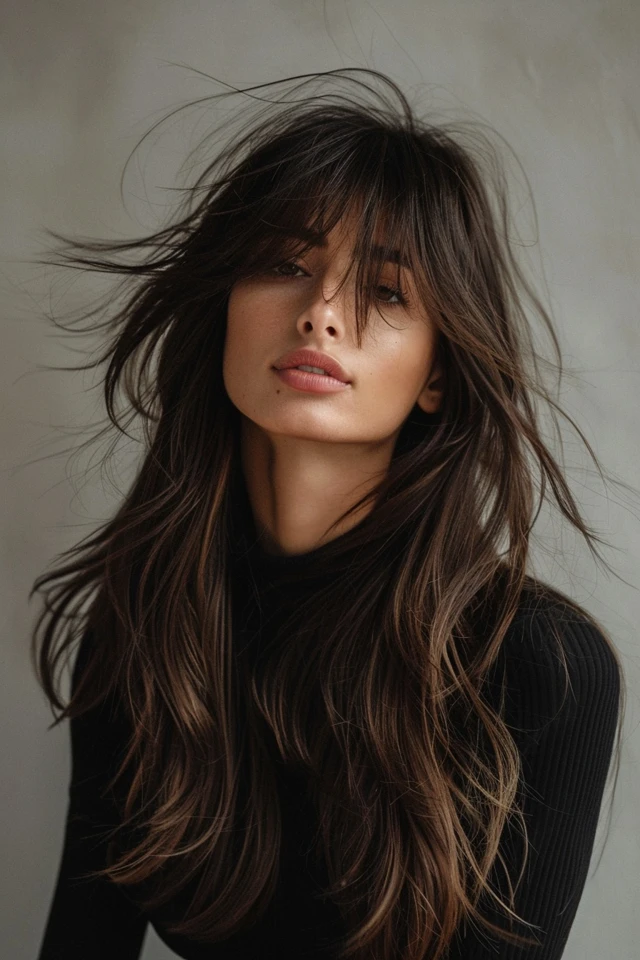
The fringe blends into the layers, creating a seamless transition. This adds depth without heaviness. It works well for everyday styling and more polished looks. You get flexibility without losing shape.
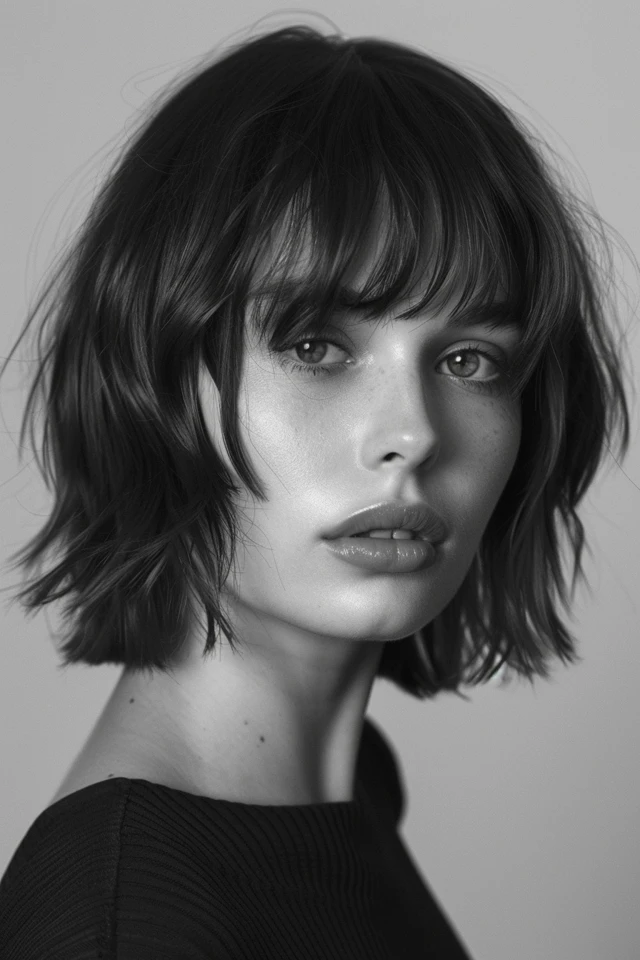
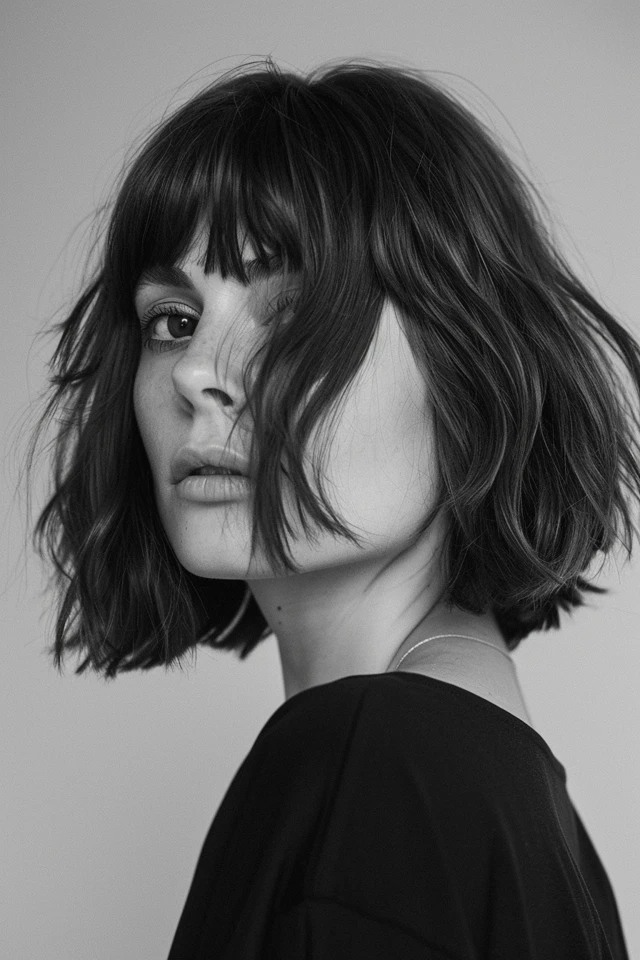
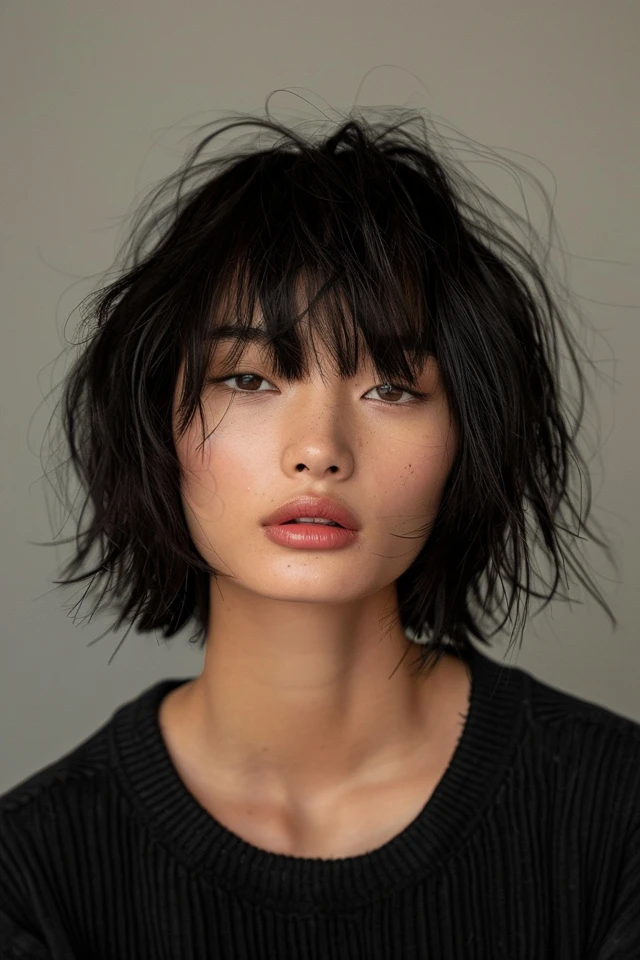
Textured Fringe with a Bob
A textured fringe softens the structure of a bob. It suits round faces by adding subtle angles. Straight and slightly wavy hair respond best. Blow-dry lightly to keep movement.
1
2
3
4
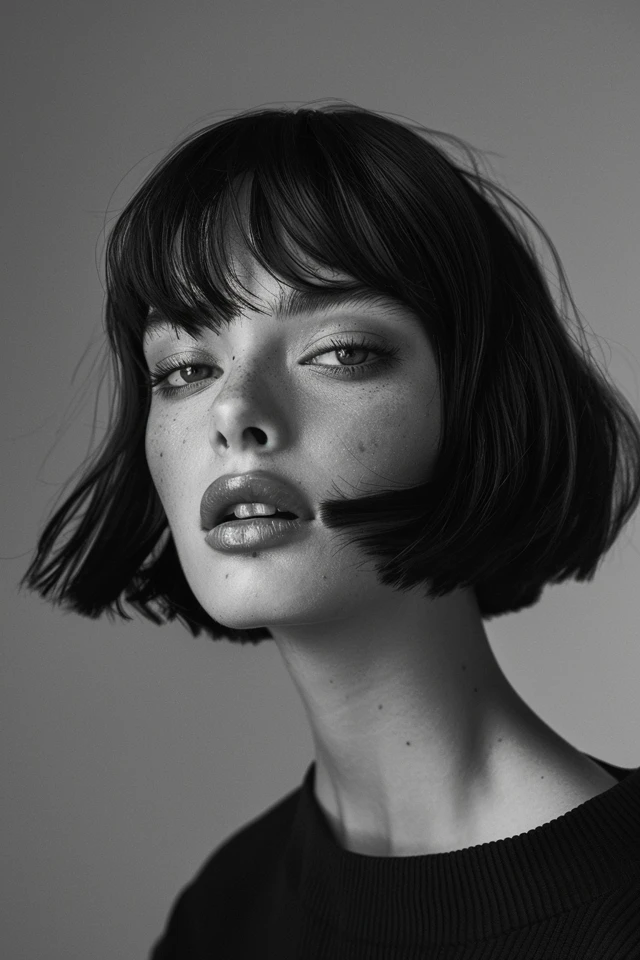
The bob stays defined while the fringe adds softness. This creates a balanced style. It works well in professional settings. The look stays polished without heavy styling.
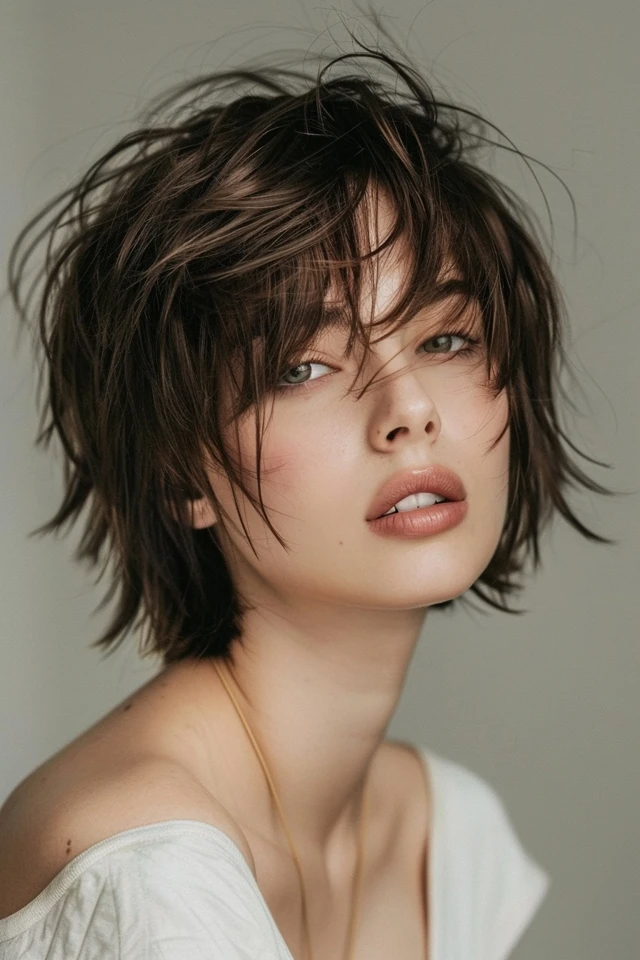
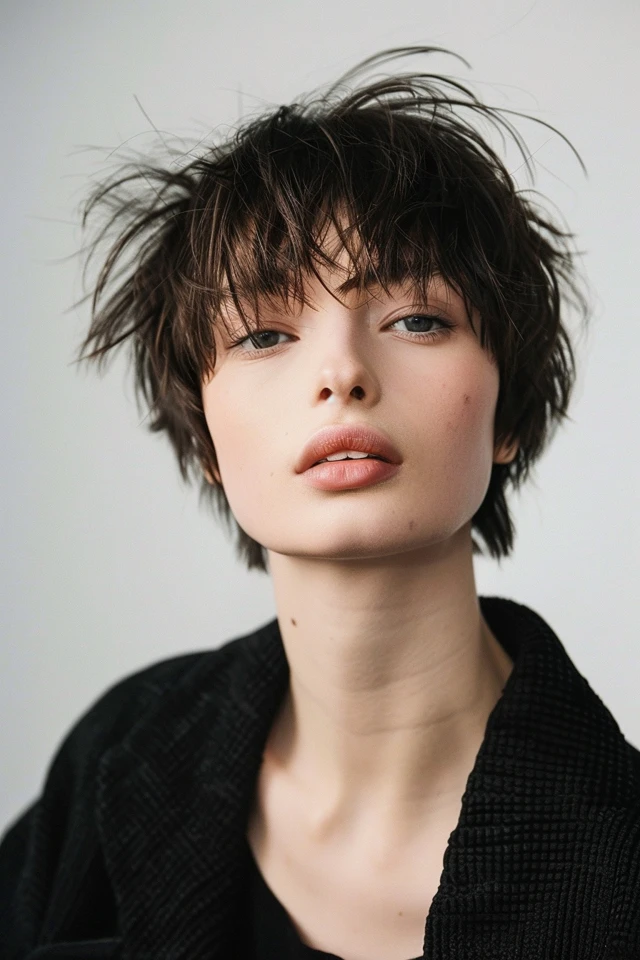
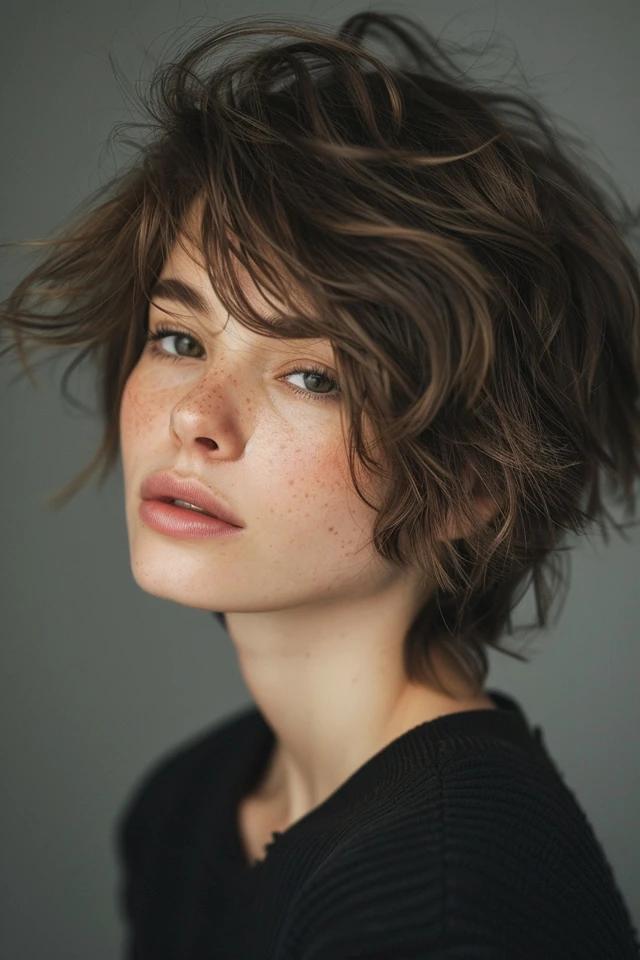
Short Textured Fringe
Short textured fringe sits higher on the forehead with light separation. It suits petite features and oval faces. Fine hair benefits from the airy texture. Styling is quick with minimal product.
1
2
3
4
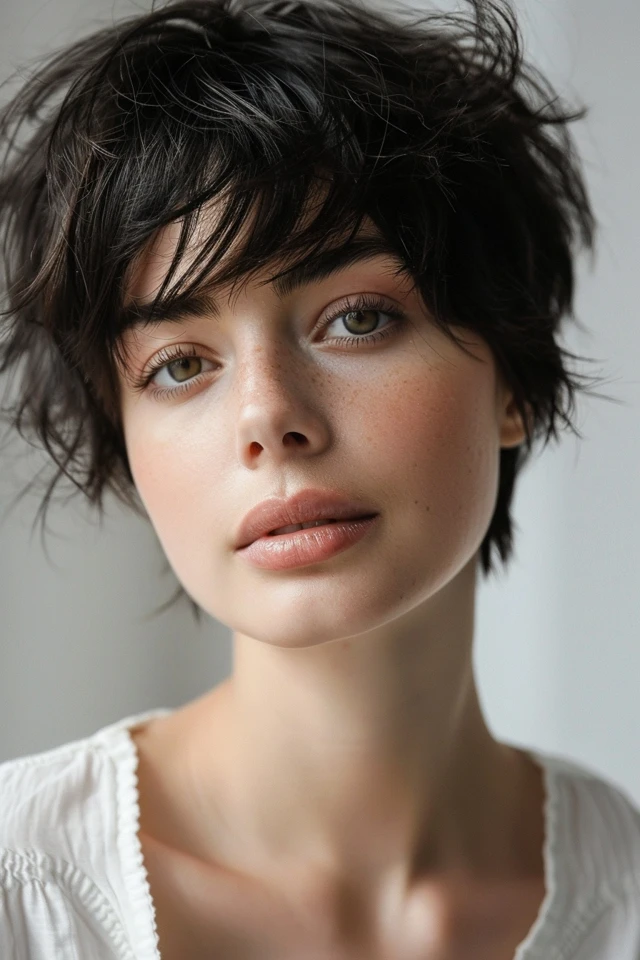
The rest of the hair can stay short or medium length. This keeps the look cohesive. It feels modern and easy to manage. It works well for active lifestyles.
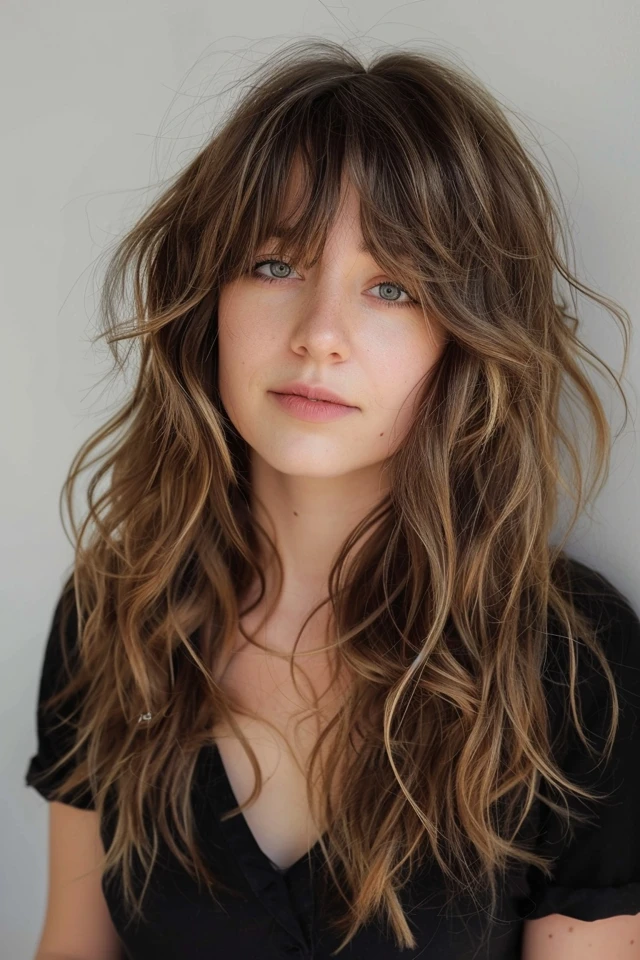
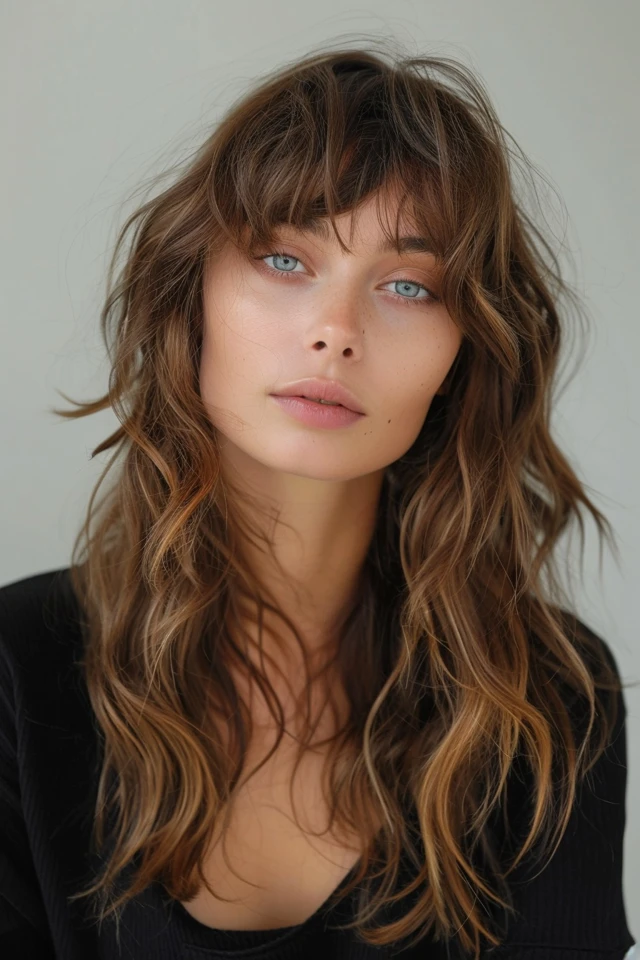
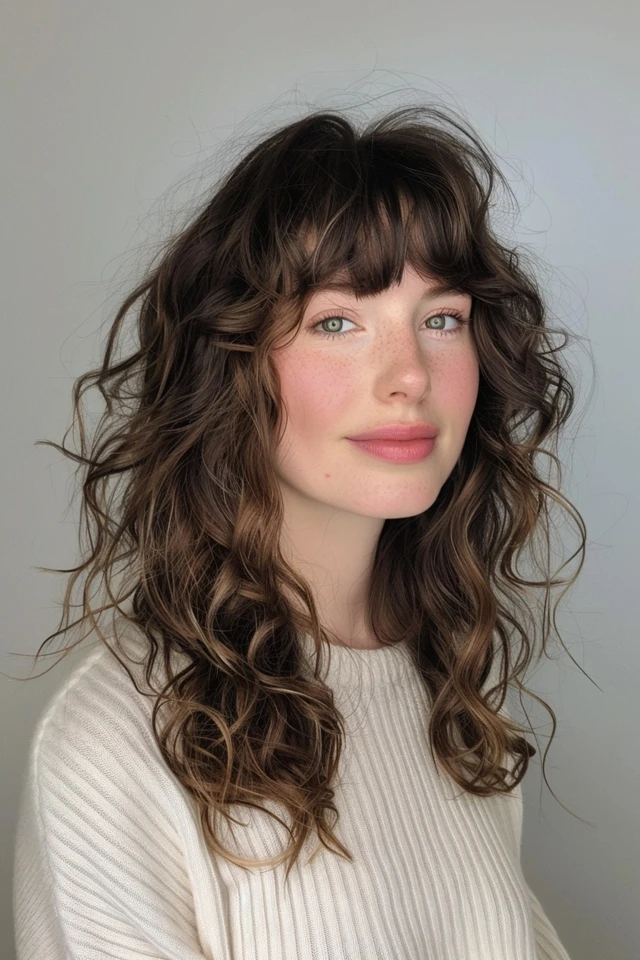
Textured Fringe on Wavy Hair
Wavy textures enhance the natural movement of a textured fringe. It suits most face shapes because the waves soften the look. Use a salt spray or mousse.
1
2
3
4
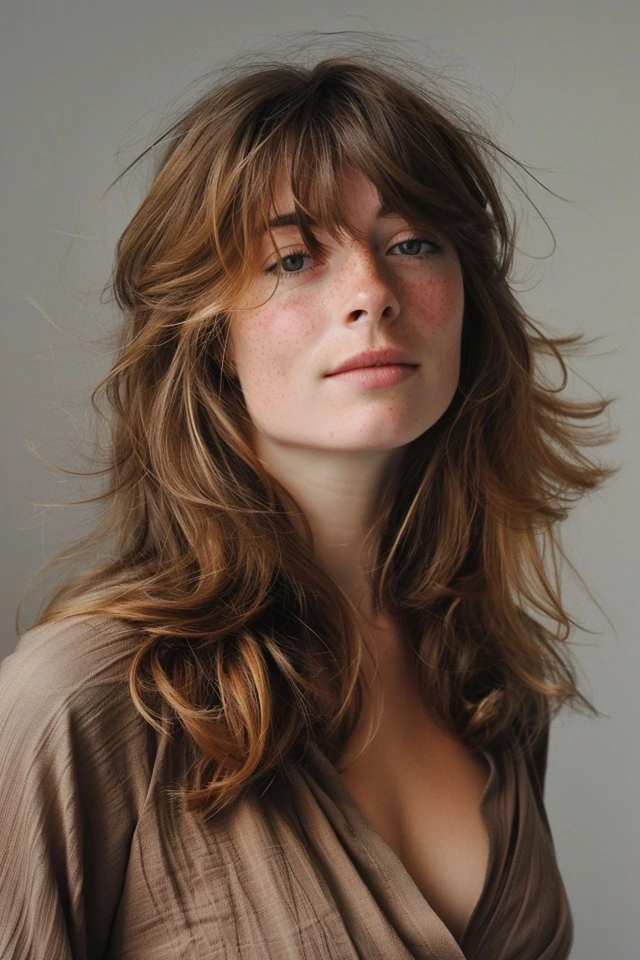
The fringe blends into the waves instead of sitting flat. This creates a relaxed finish. It feels effortless and natural. This version works well for low-maintenance routines.
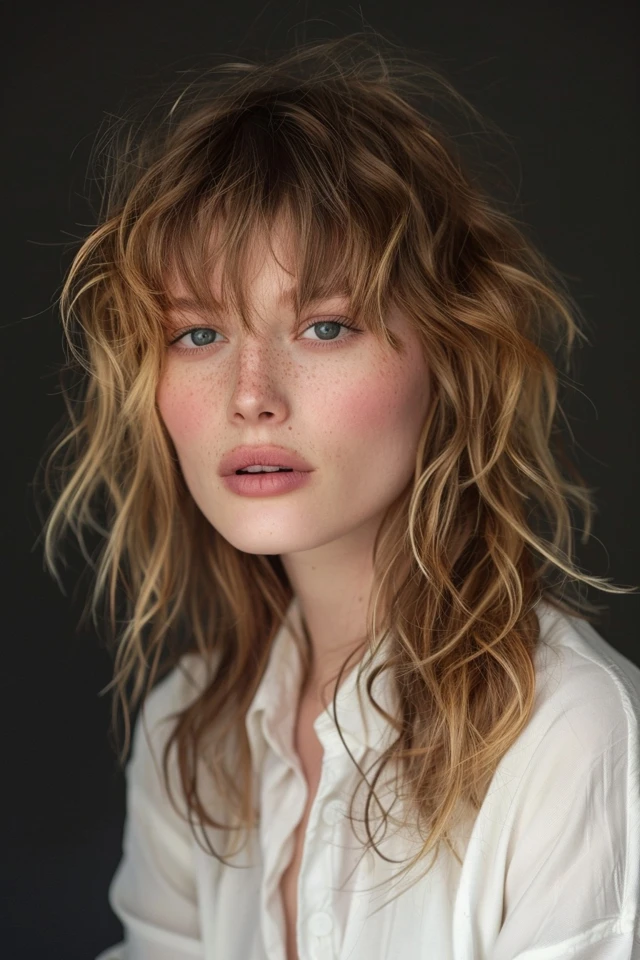
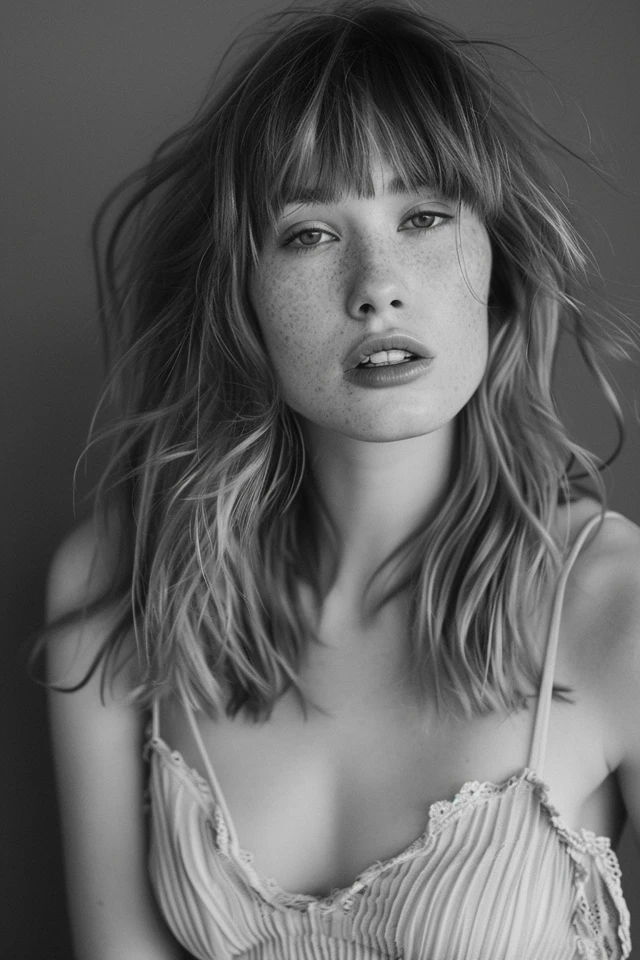
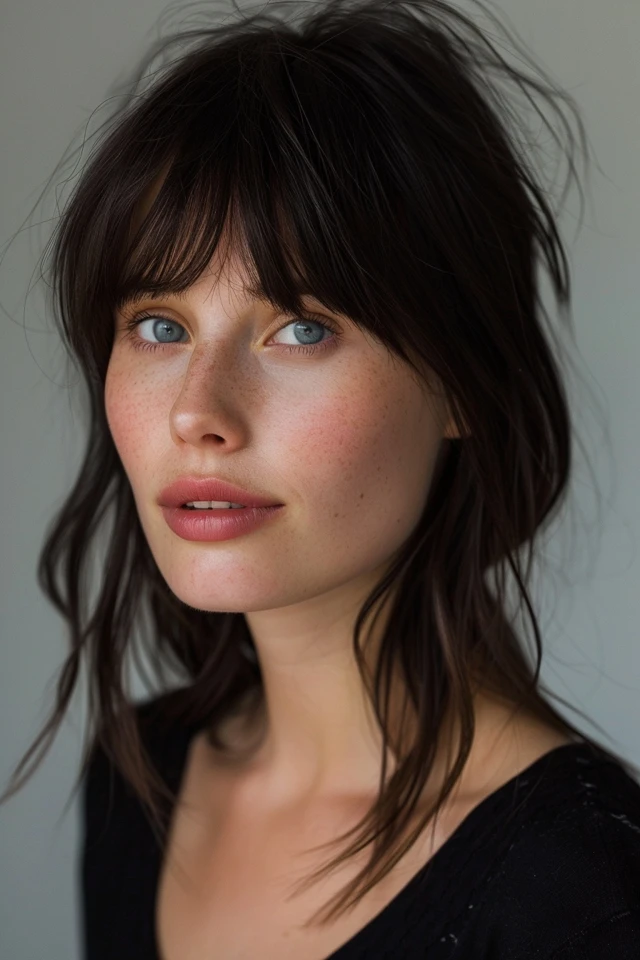
Wispy Textured Fringe
A wispy textured fringe uses lighter density for a softer effect. It suits round and square faces by avoiding heaviness. Fine to medium hair works best. Use a light styling cream.
1
2
3
4
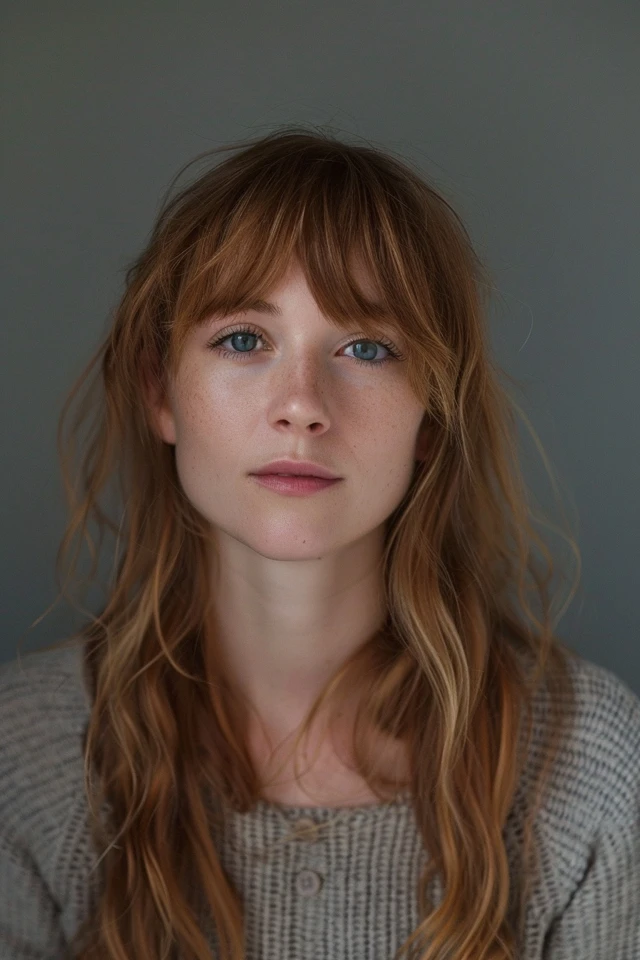
The fringe has more separation, which keeps it airy. It blends easily into the sides. This makes it easy to style and grow out. It works well for everyday wear.
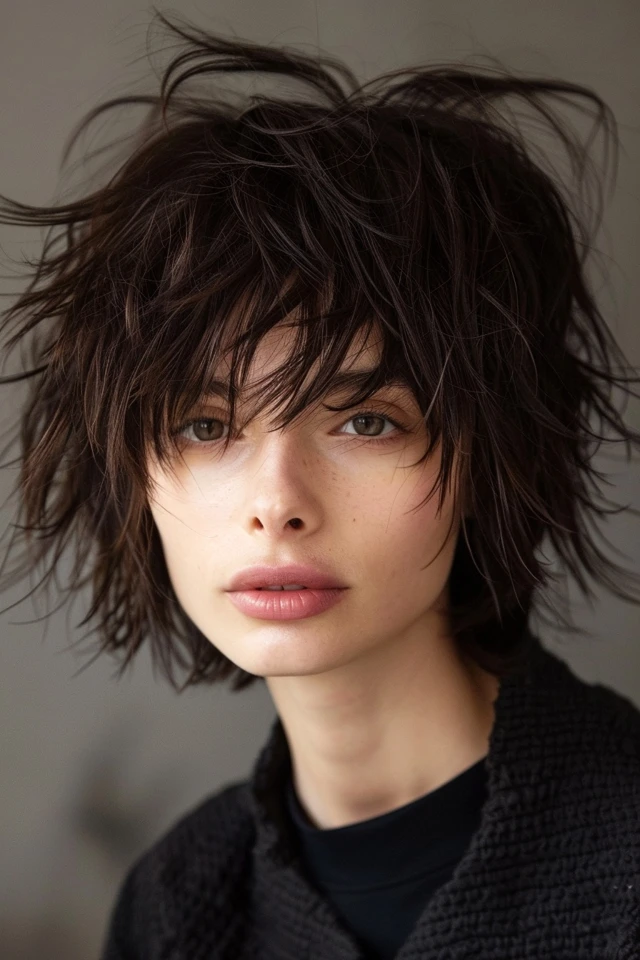
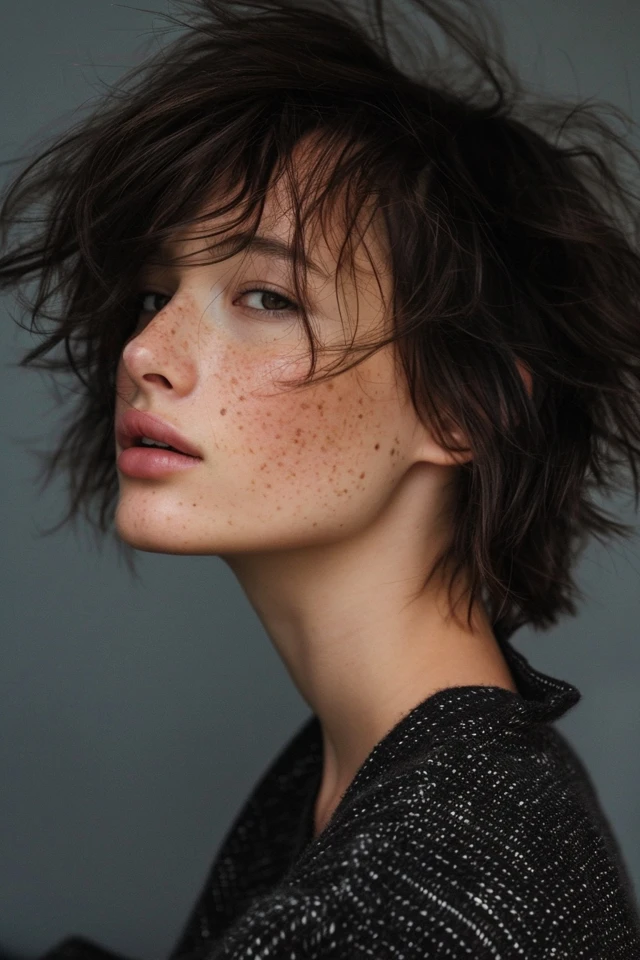
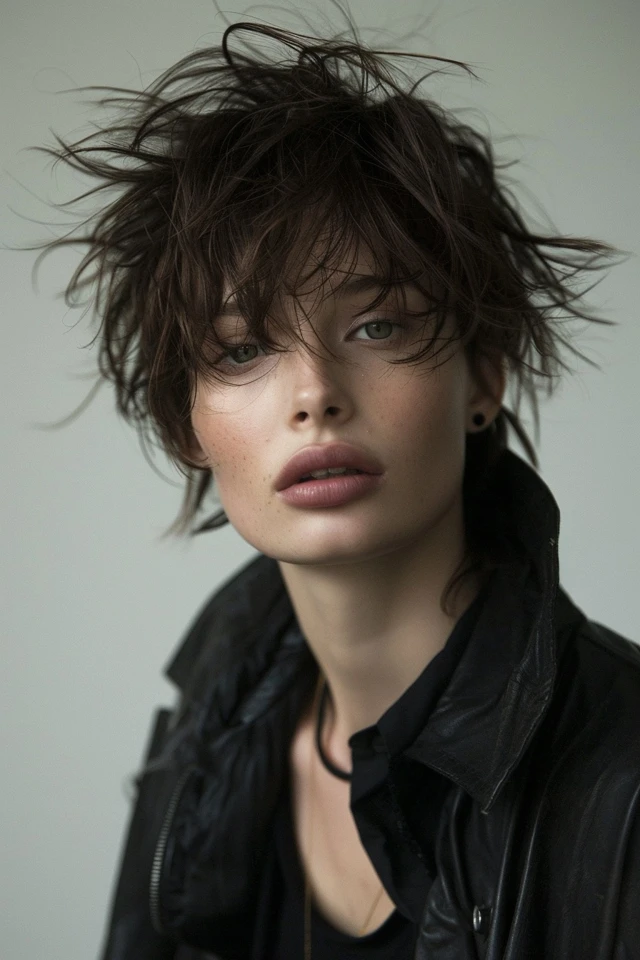
Textured Fringe with Shag Cut
This version blends a textured fringe into a layered shag. It suits most face shapes due to added texture. Wavy and thick hair benefit most. Use a texturizing spray.
1
2
3
4
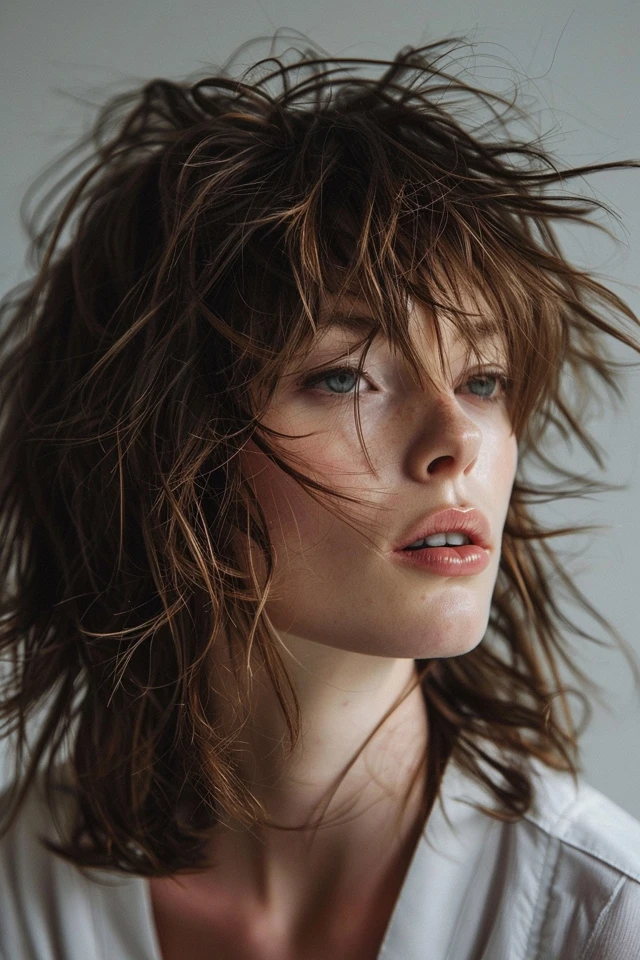
The fringe connects into the layers, creating volume and depth. This adds a lived-in feel. It works well for casual and creative settings. The style doesn’t need precise styling.
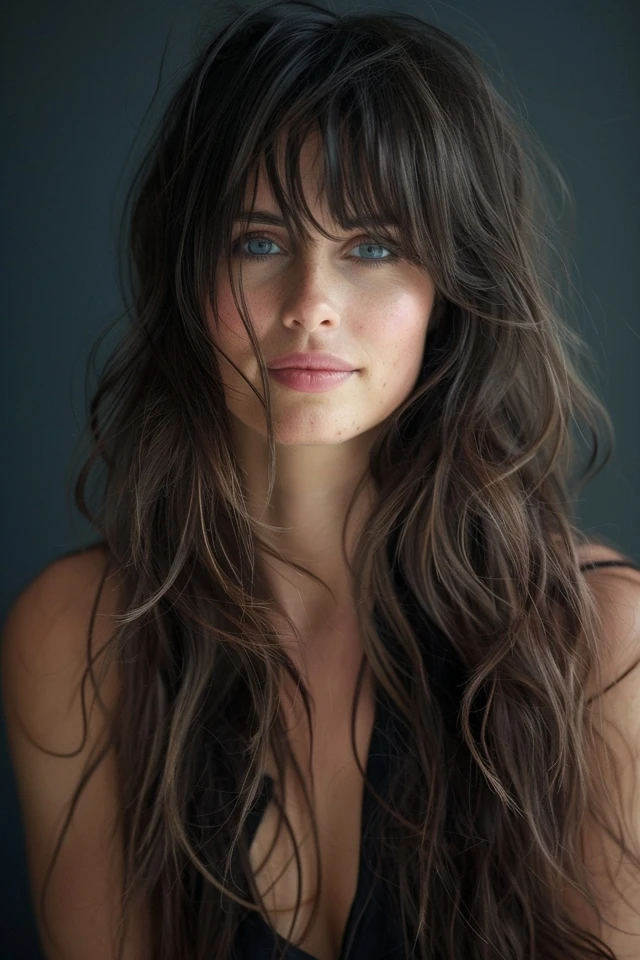
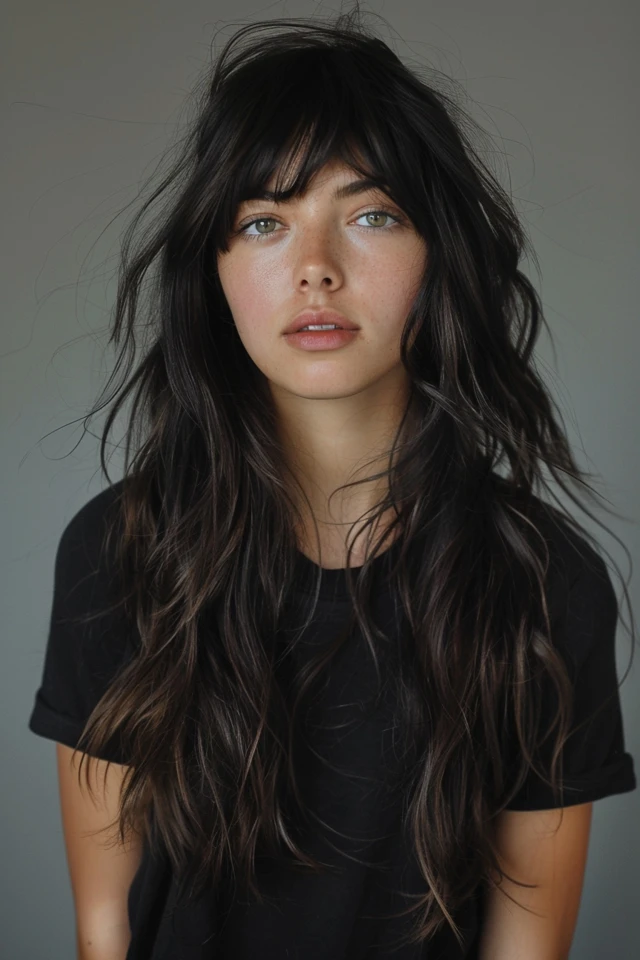
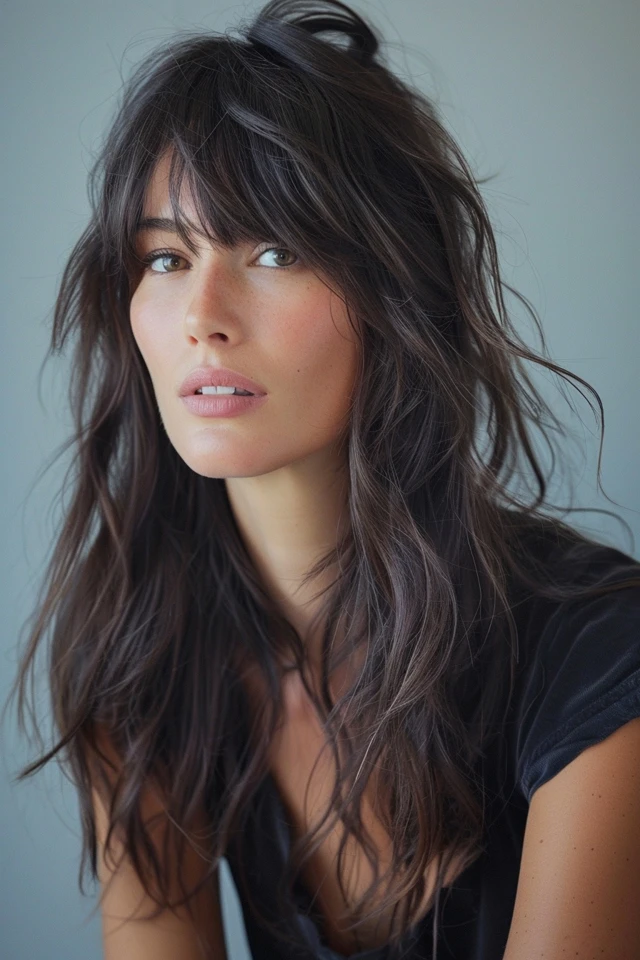
Long Textured Fringe
Long textured fringe extends toward the eyes or cheekbones. It suits longer face shapes by adding width. Straight and wavy hair types work best. Blow-dry lightly for shape.
1
2
3
4
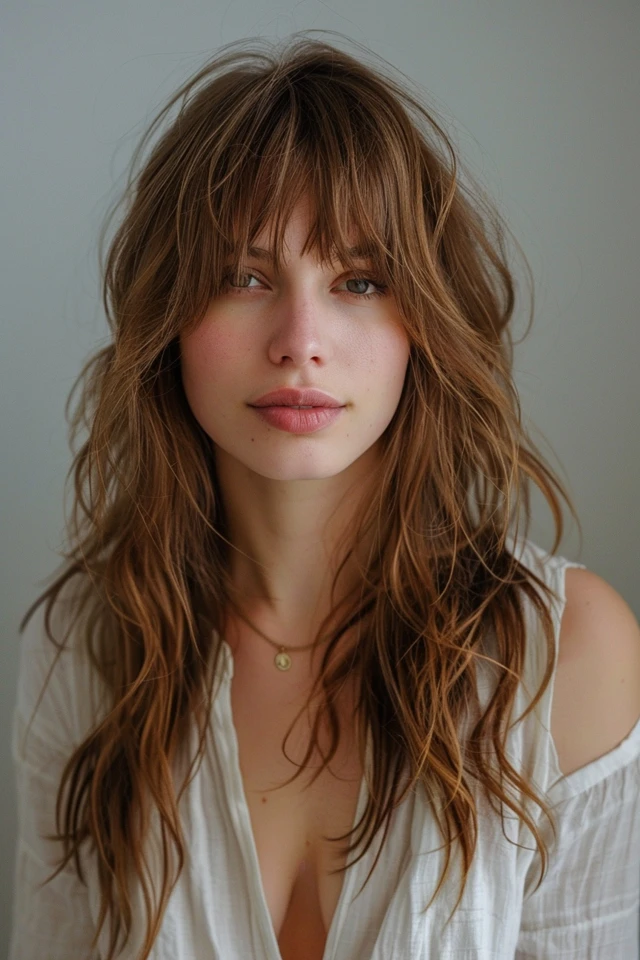
The length allows the fringe to blend fully into the hair. This makes it easy to tuck behind the ears. It’s a flexible option for low-maintenance styling.
How to Style Textured Fringe for Natural Movement
Use lightweight products like texturizing spray or mousse. Avoid heavy creams that flatten the fringe. Blow-dry loosely or air dry for a softer finish. Use your fingers instead of a brush to keep separation. Trim regularly to maintain the shape without losing texture.
Final Thoughts on Textured Fringe
Textured fringe offers movement, softness, and easy styling. It removes bulk while keeping the shape flexible. This makes it practical for different hair types and routines. The look feels modern without trying too hard.
If you want a fringe that stays light and adaptable, this is a strong option. The key question is simple. Do you prefer a clean, solid fringe, or something with more movement and texture?