Face-framing fringe layers shape the front of the hair to highlight key features like the eyes, cheekbones, and jawline. Instead of a single fringe line, the hair is cut in graduated lengths around the face. This creates a soft contour that blends into the rest of the hair. Face-framing fringe layers work on short, medium, and long styles with small adjustments. They suit most hair types and textures. The result feels natural and balanced. You get structure without heaviness, which makes this style easy to wear and maintain.
Why Face-Framing Fringe Layers Enhance Natural Features
Face-framing fringe layers work because they guide attention toward the face. The gradual lengths soften strong angles and add definition where needed. This helps balance different face shapes without harsh lines. The layers also create movement, which keeps the hair from looking flat.
They are highly adaptable. You can keep the layers subtle or more defined depending on your preference. They blend easily into the rest of the hair, which helps them grow out smoothly. This makes them practical for everyday styling and low-maintenance routines.
8 Face-Framing Fringe Layers Styles That Flatter
Classic Face-Framing Fringe Layers
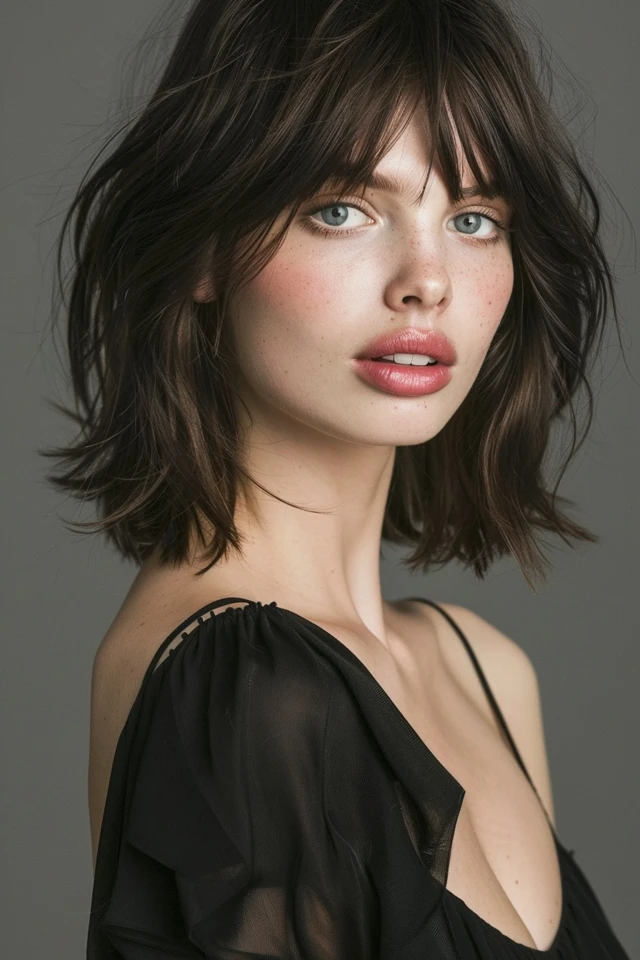
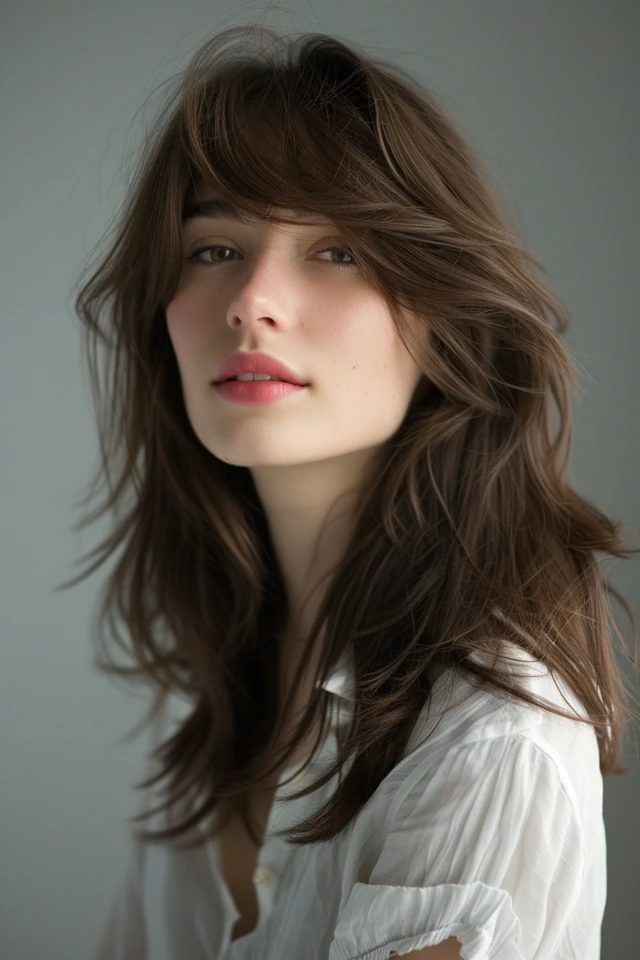
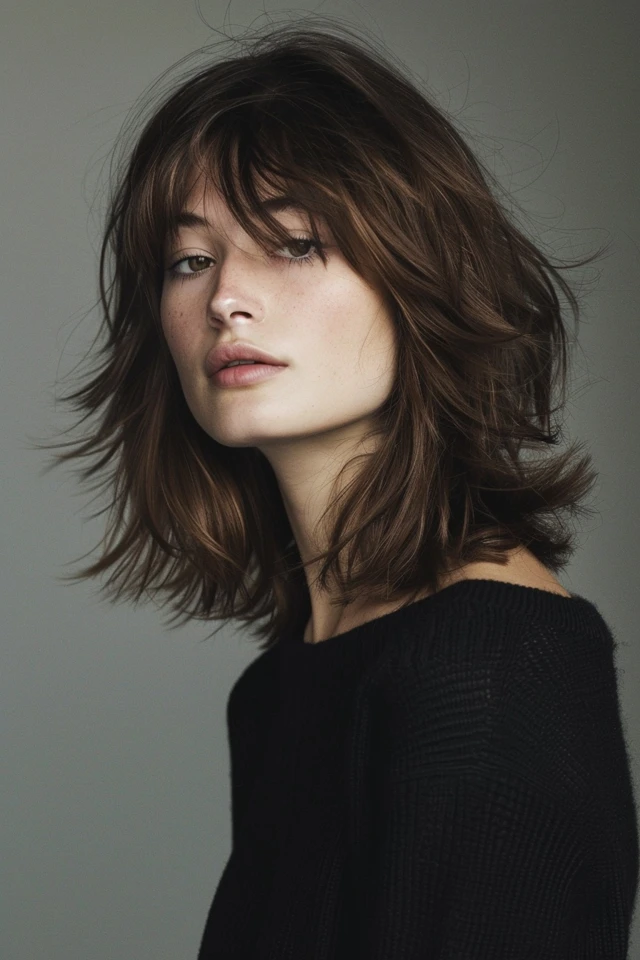
This version uses soft, gradual layers around the face. It suits oval and heart-shaped faces by maintaining balance. Straight to wavy hair works best. Use a round brush to shape the front sections.
1
2
3
4
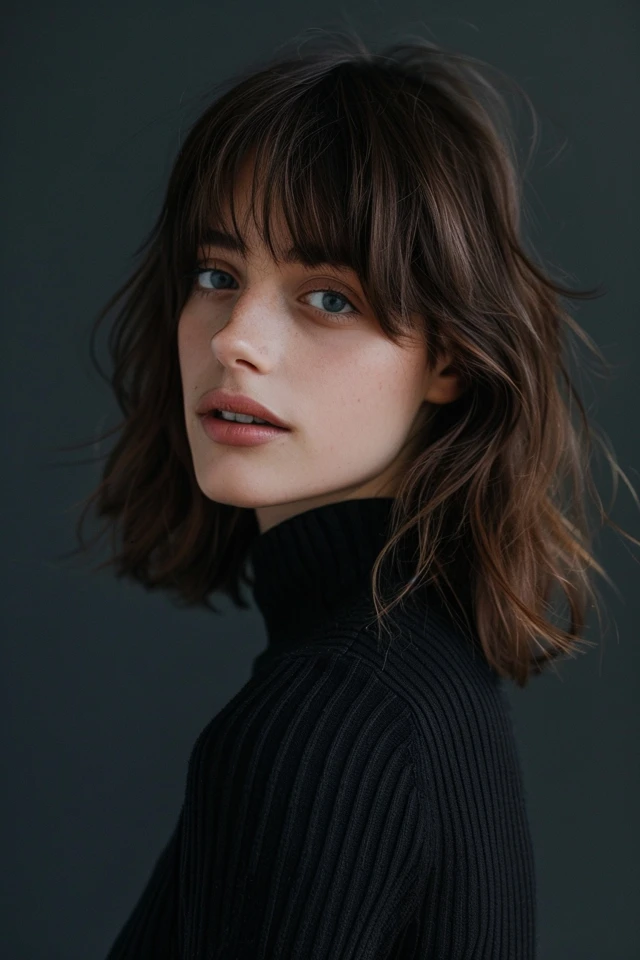
The layers blend smoothly into the rest of the hair. This creates a clean and natural look. It works well for both casual and professional settings. The style remains easy to manage with minimal effort.
Face-Framing Fringe Layers with Long Hair
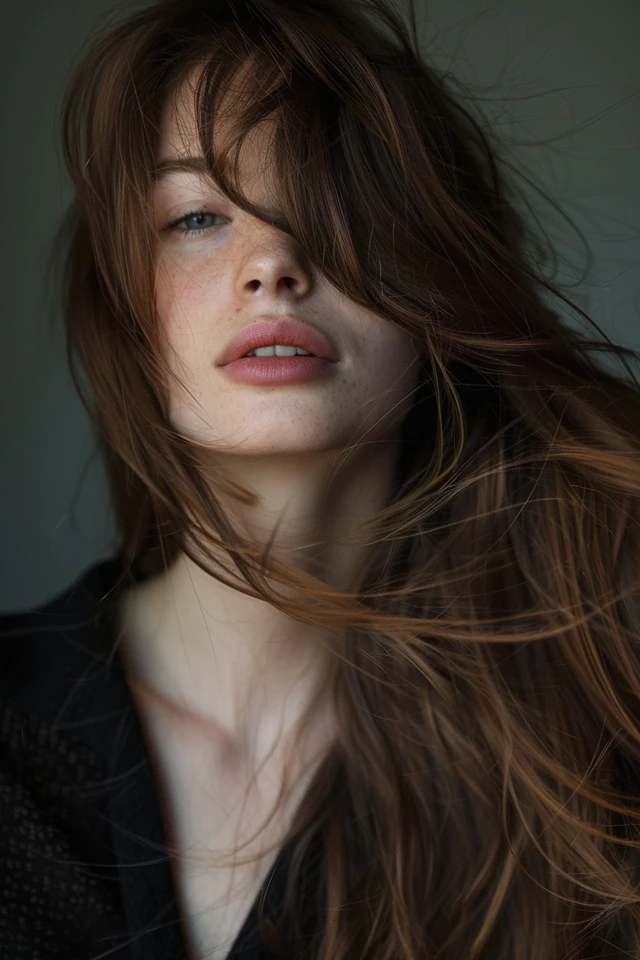
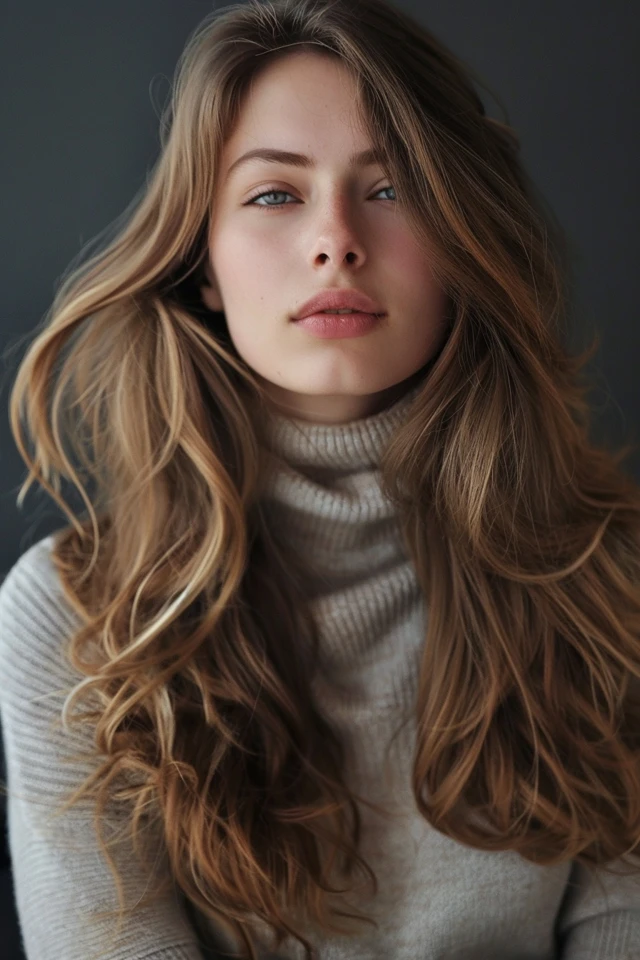
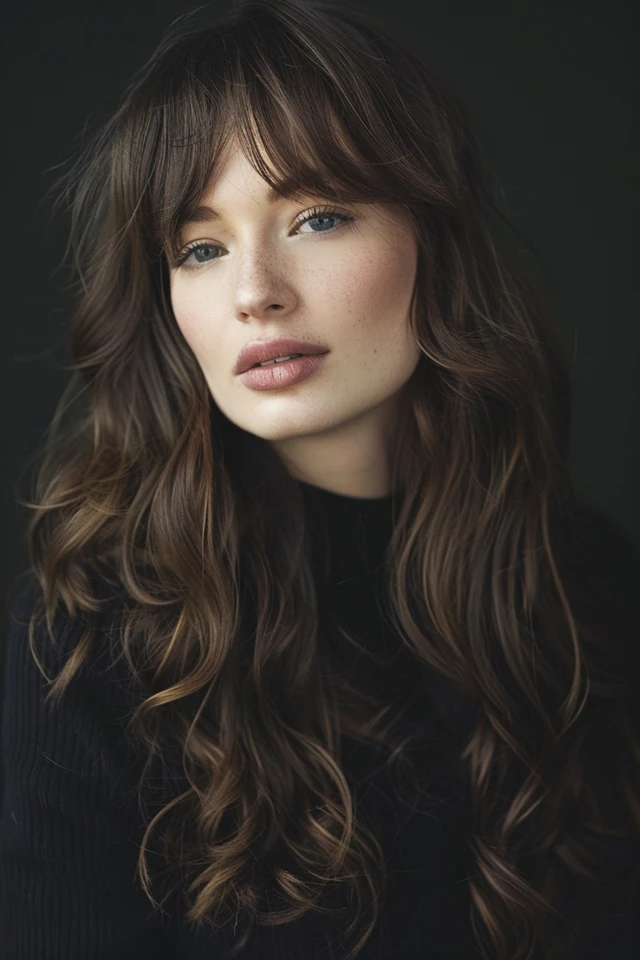
Long hair benefits from added structure around the face. This suits square faces by softening strong features. Thick hair works well with this style. Use a lightweight serum on the ends.
1
2
3
4
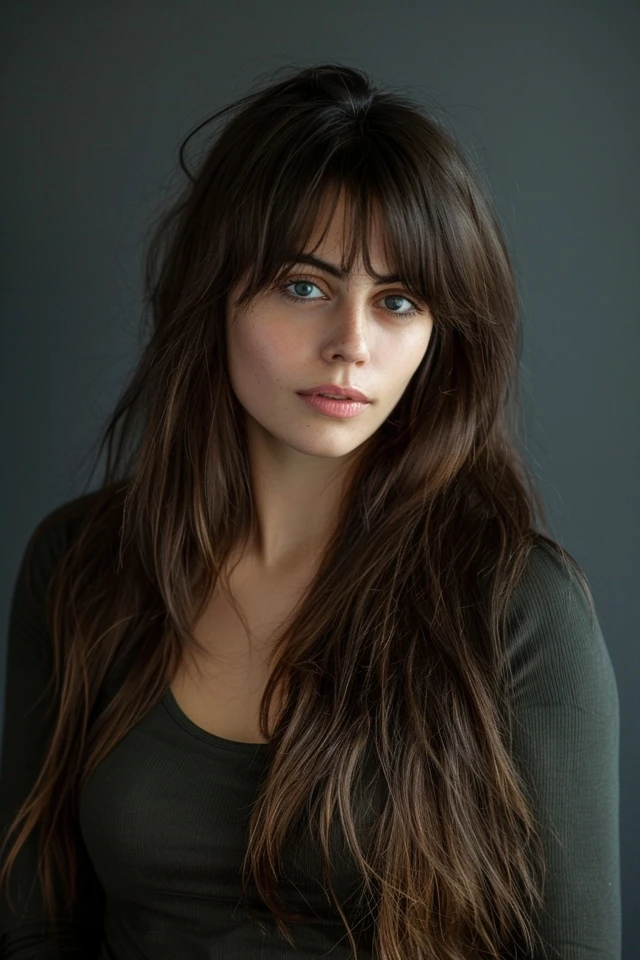
The layers prevent the length from looking heavy. They add movement and depth. This keeps the style balanced. It works well for everyday wear and styled occasions.
Face-Framing Fringe Layers with a Bob
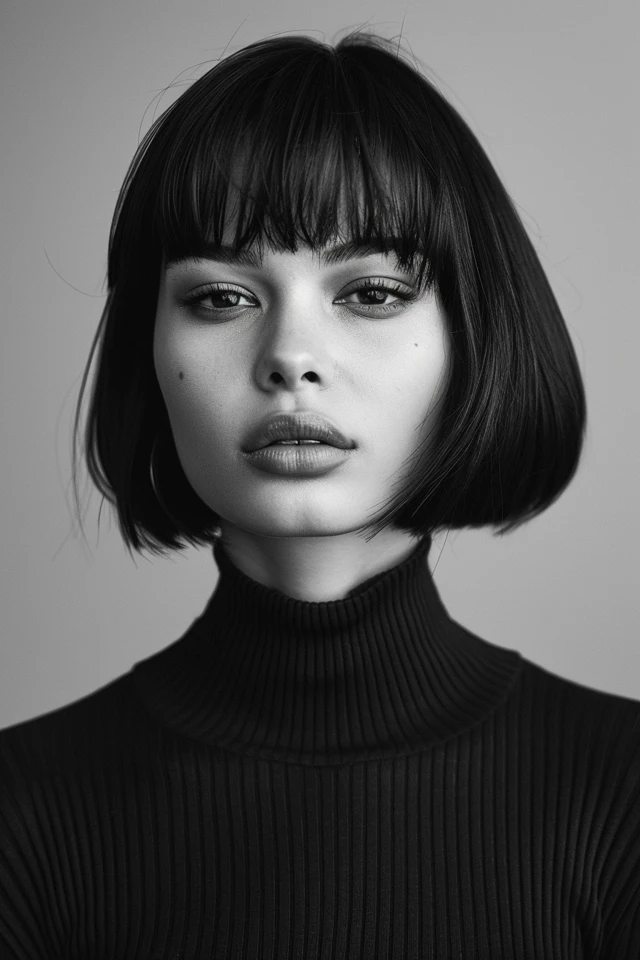
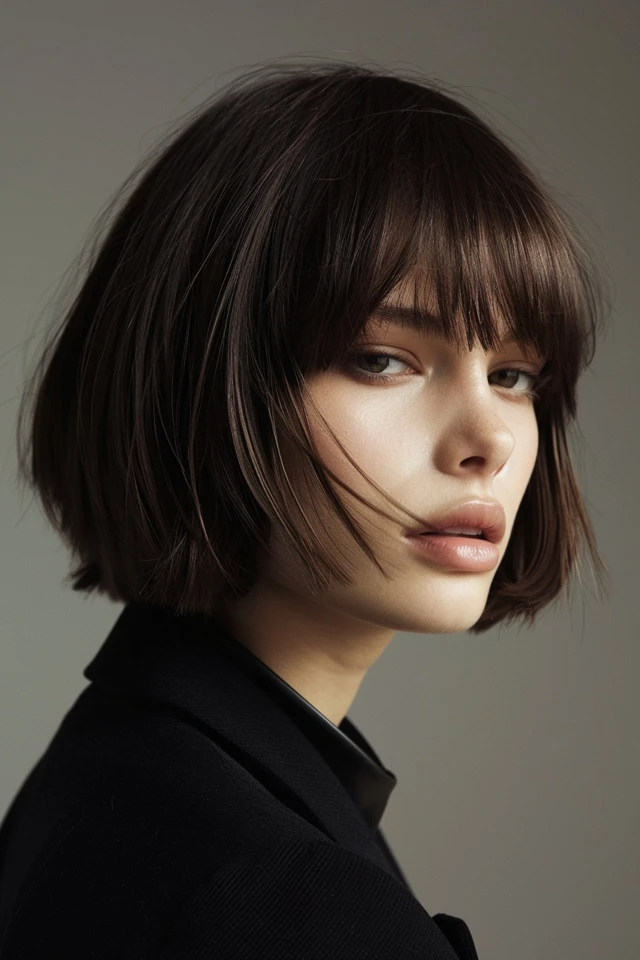
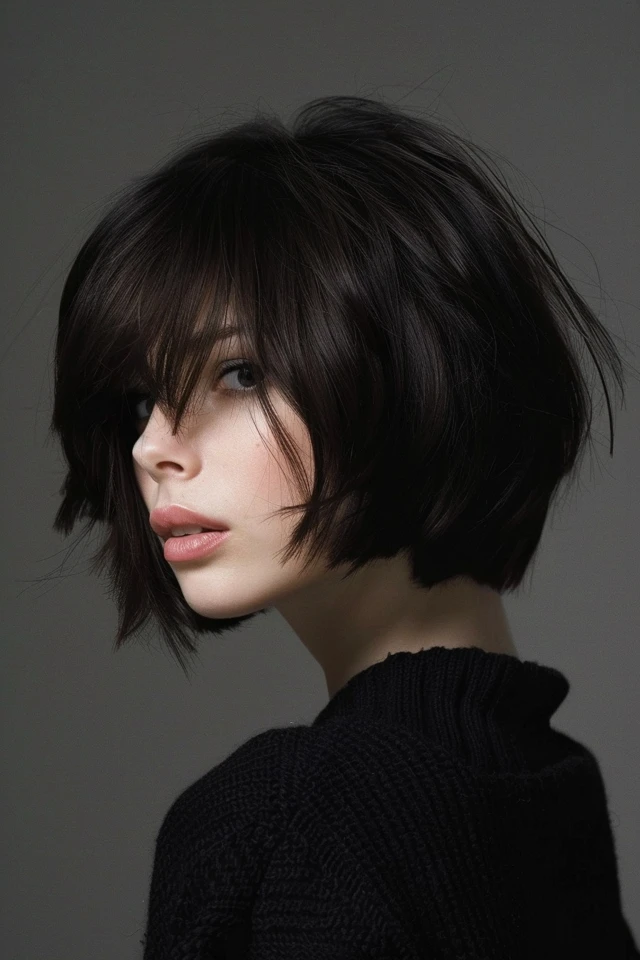
Adding face-framing layers to a bob softens the overall shape. It suits round faces by adding angles. Straight and slightly wavy hair respond best. Blow-dry the front sections outward.
1
2
3
4
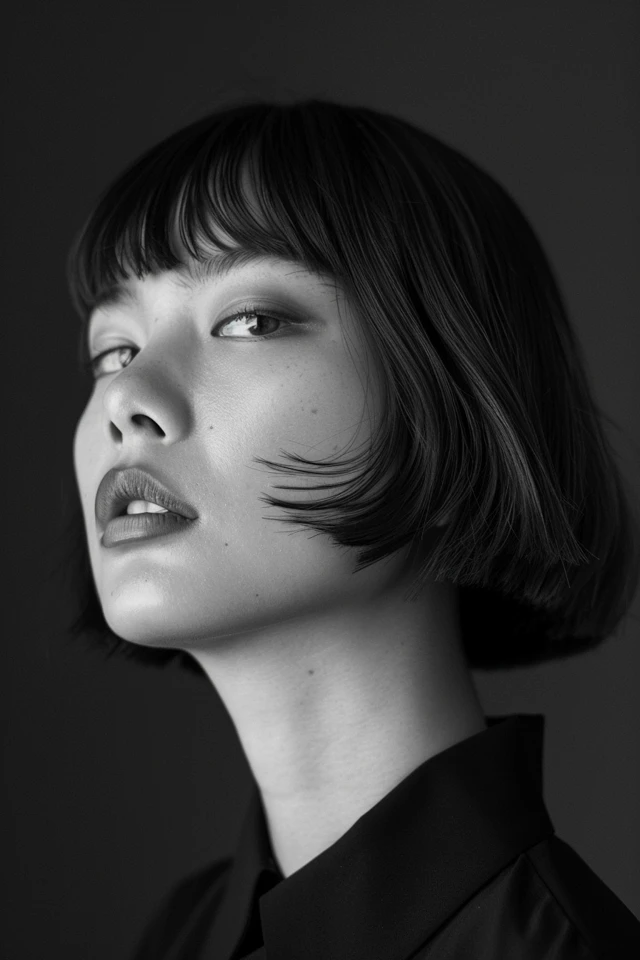
The bob stays structured while the layers add movement. This creates a balanced look. It works well in professional settings. The style stays polished without heavy styling.
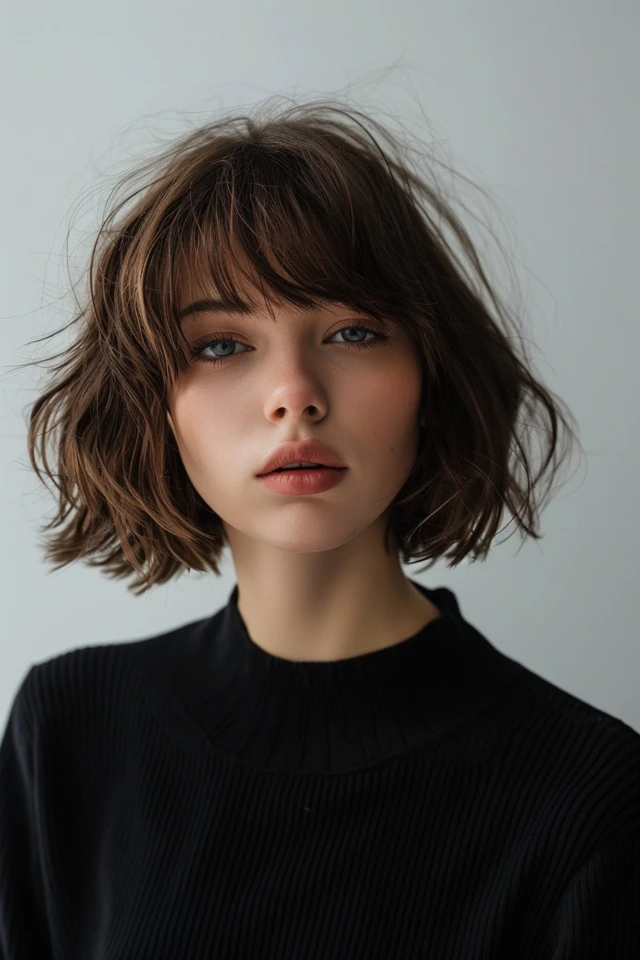
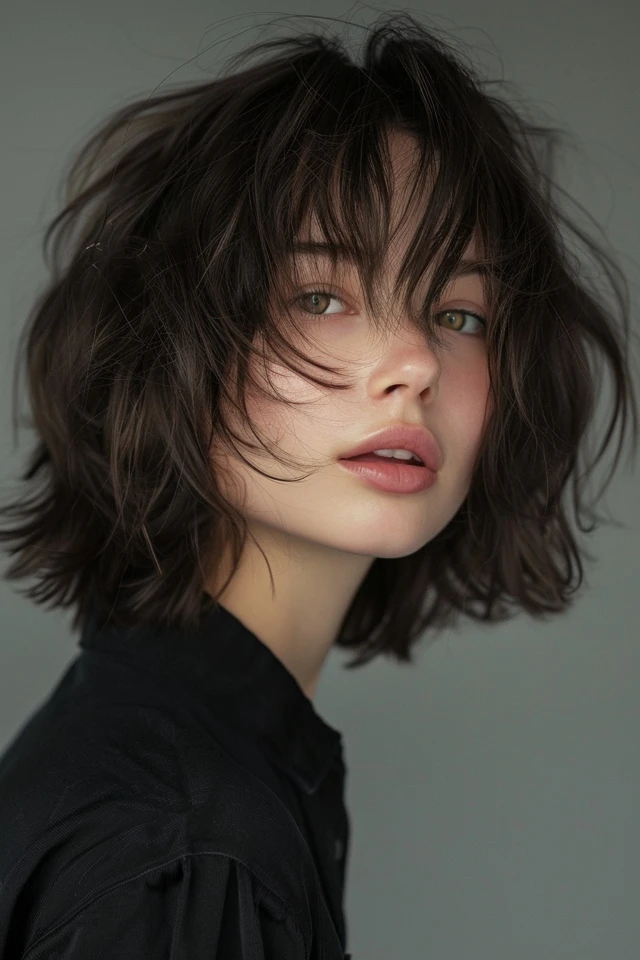
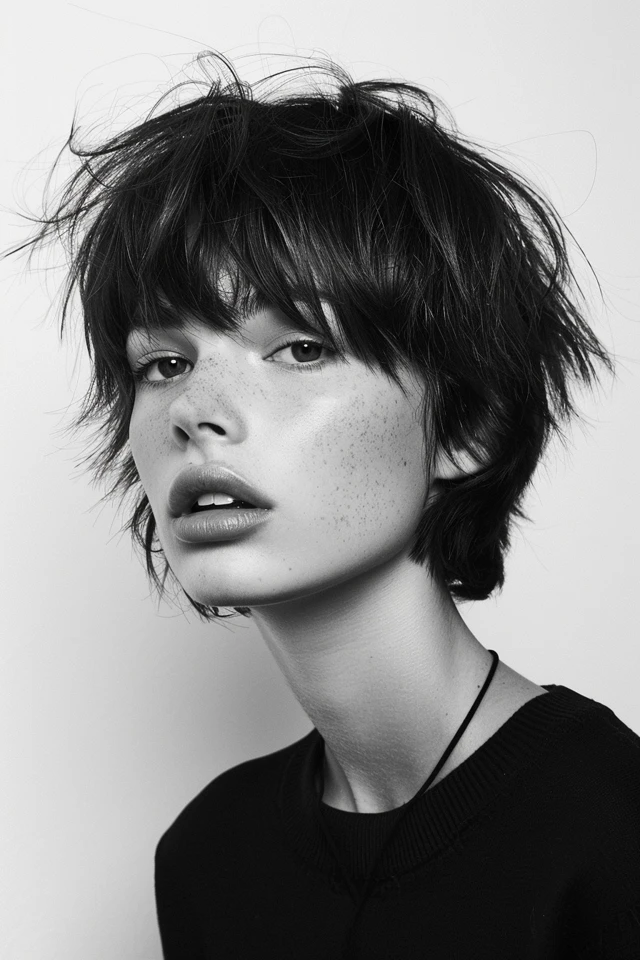
Short Face-Framing Fringe Layers
Short styles use lighter layers around the face for lift. They suit petite features and oval faces. Fine hair benefits from the added volume. Styling is quick with minimal product.
1
2
3
4
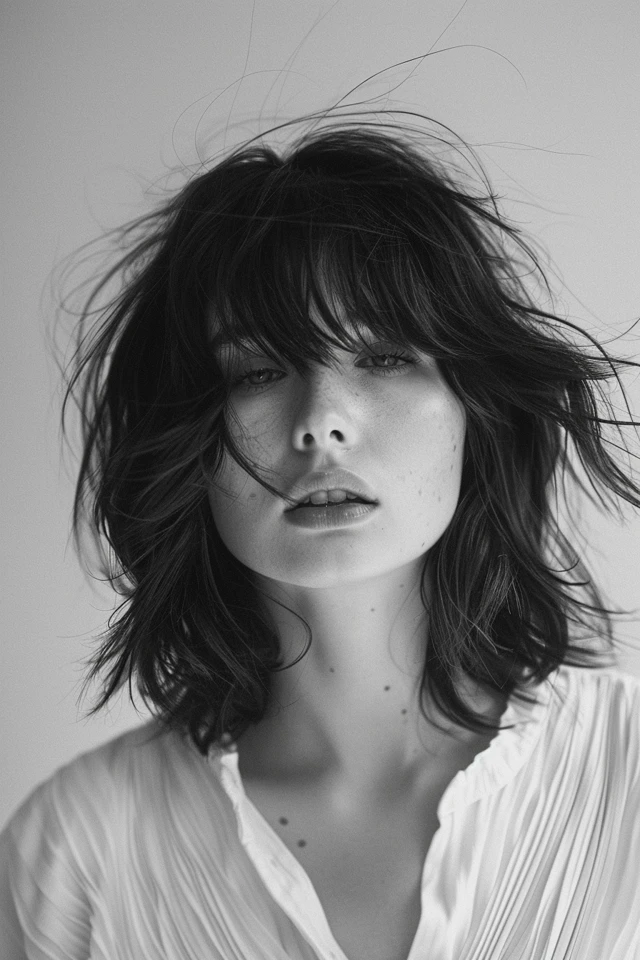
The layers keep the cut from looking too flat. This adds dimension. It feels modern and easy to manage. It works well for active lifestyles.
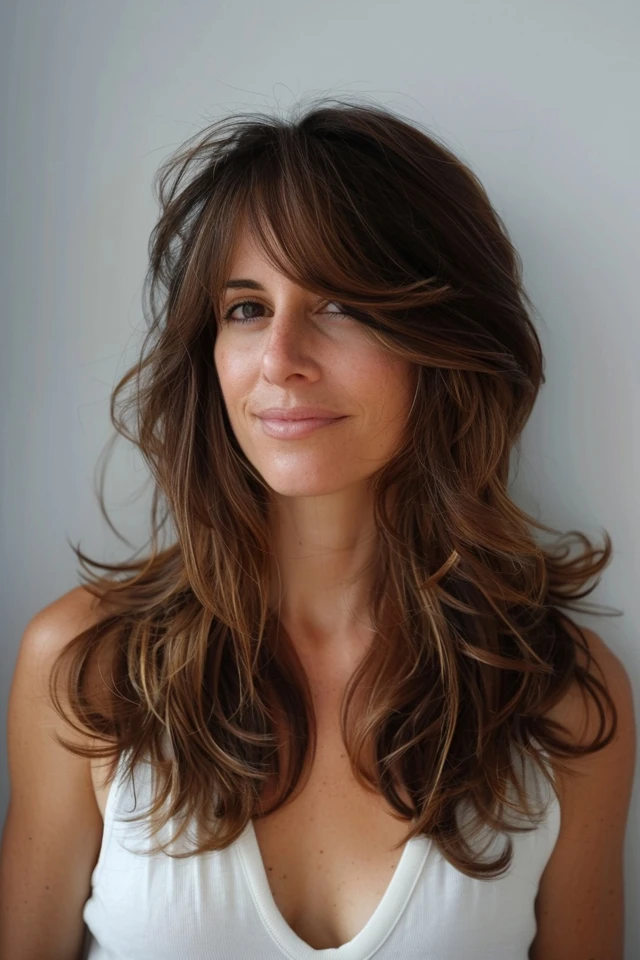
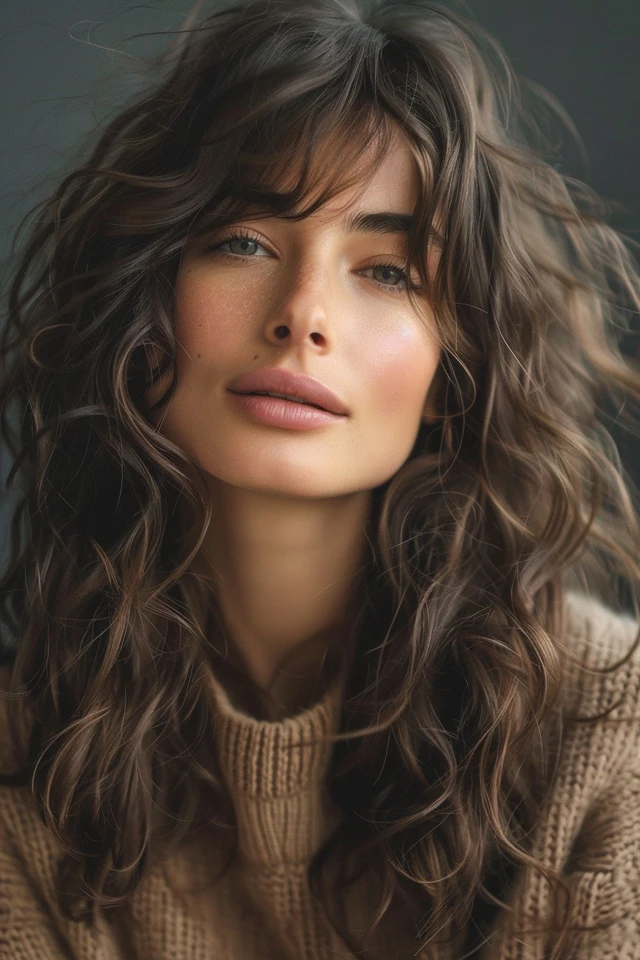
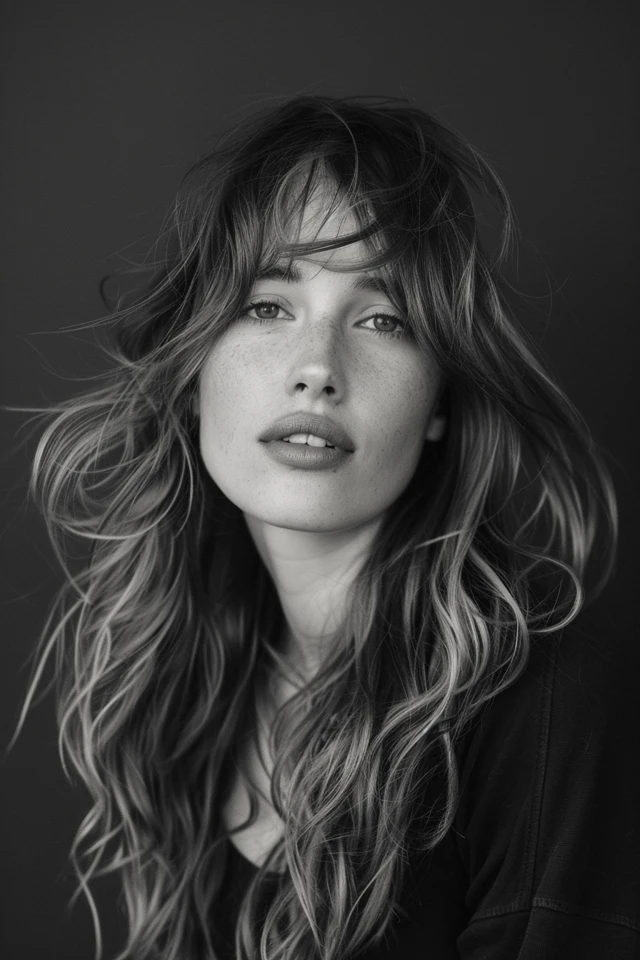
Face-Framing Fringe Layers on Wavy Hair
Wavy textures enhance the natural flow of face-framing layers. They suit most face shapes because the waves soften the look. Use a light mousse or salt spray.
1
2
3
4
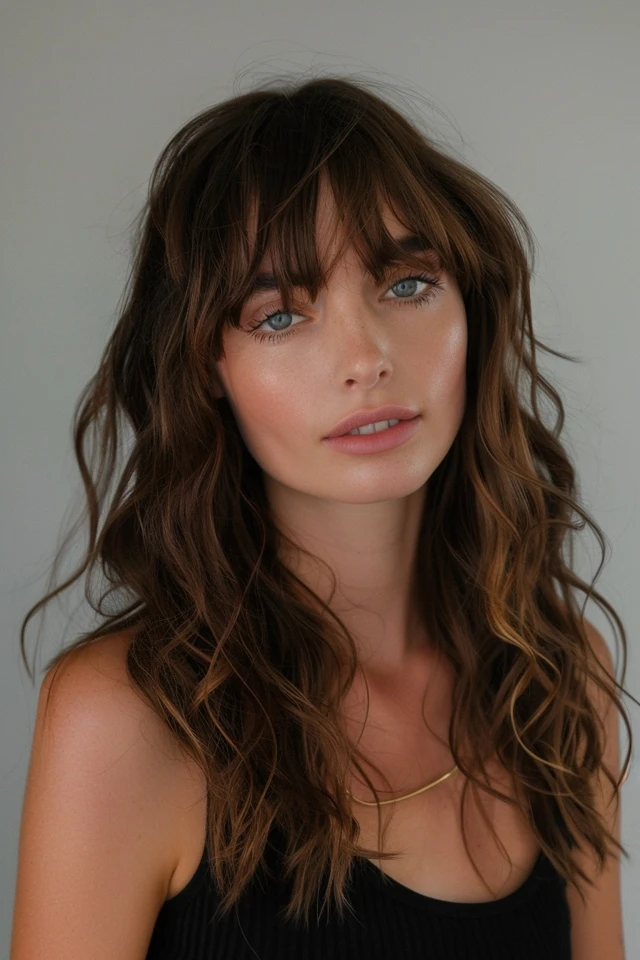
The layers blend into the waves for a relaxed finish. This creates a natural, effortless style. It works well for low-maintenance routines. The movement stays consistent throughout the day.
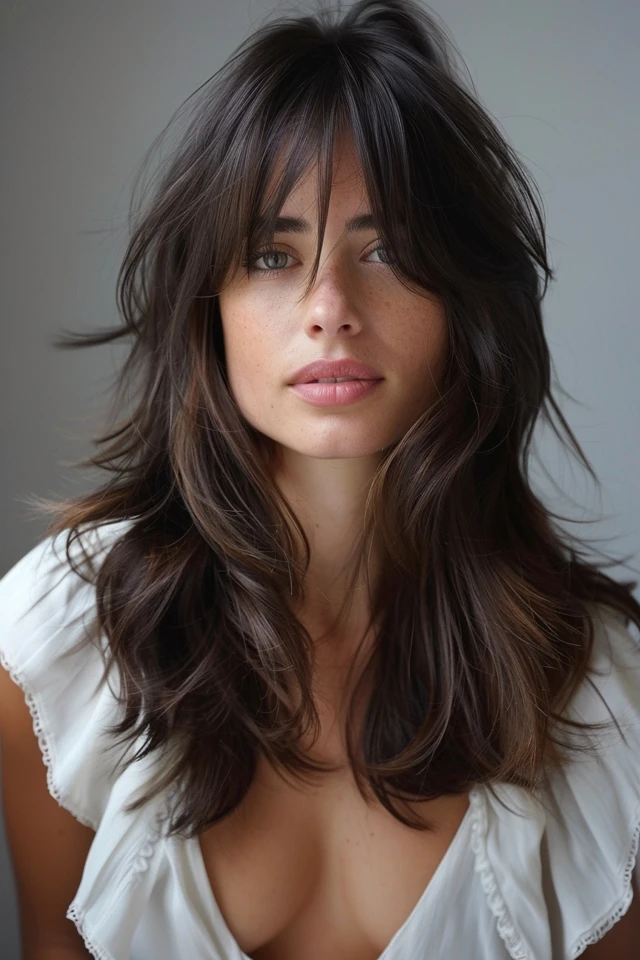
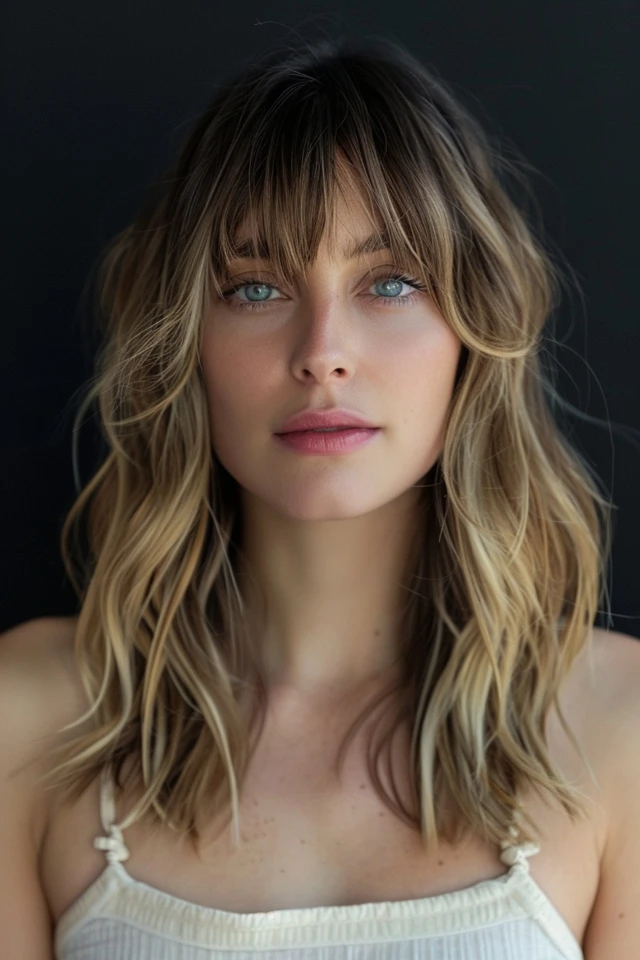
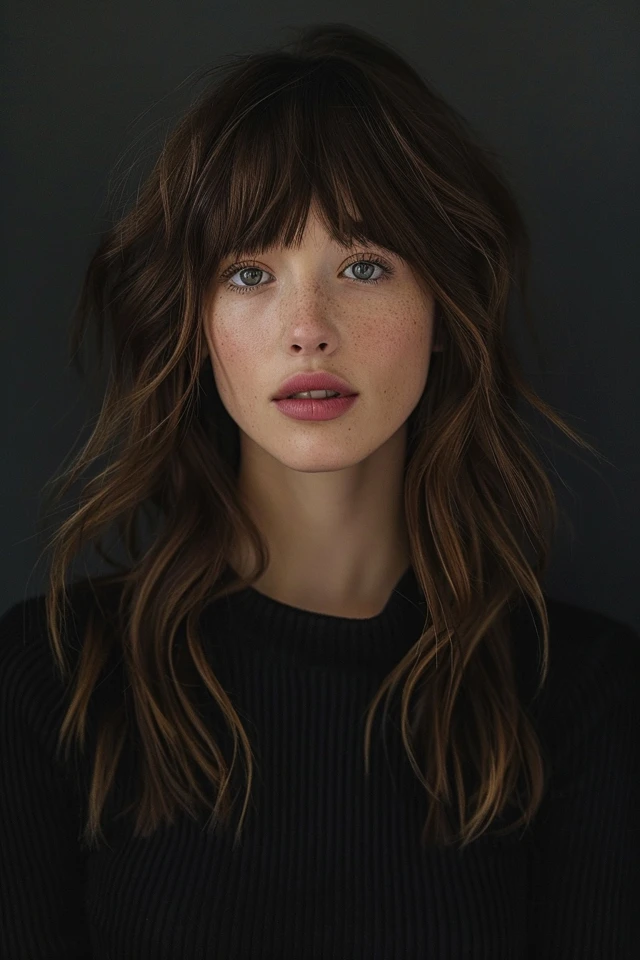
Face-Framing Fringe Layers with Curtain Bangs
Curtain bangs pair well with face-framing layers. This suits longer face shapes by adding width. Straight and wavy hair types work best. Blow-dry the bangs outward.
1
2
3
4
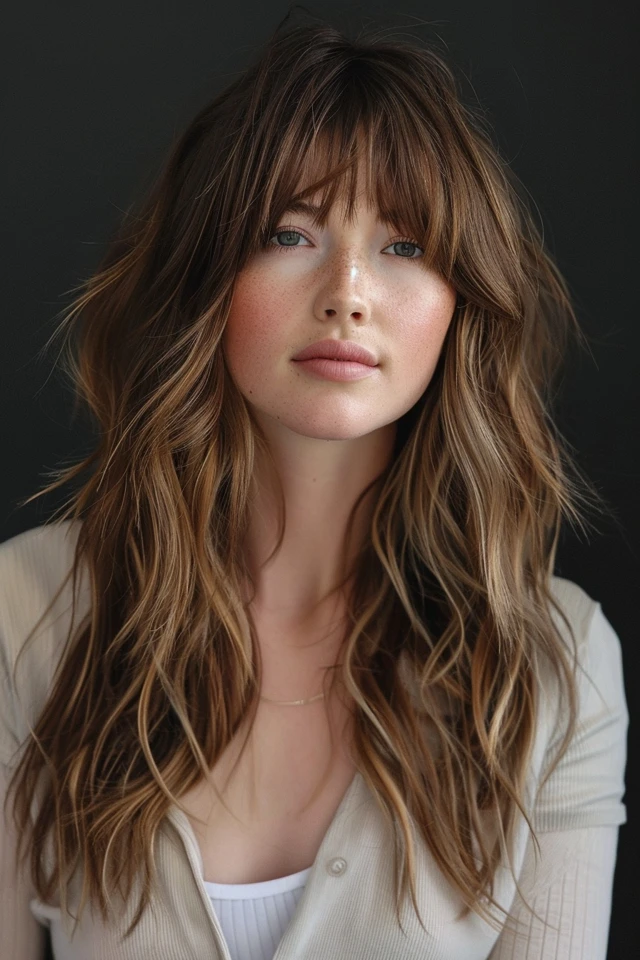
The bangs connect into the layers, creating a seamless transition. This adds depth and structure. It works well for both casual and polished looks. The style stays flexible.
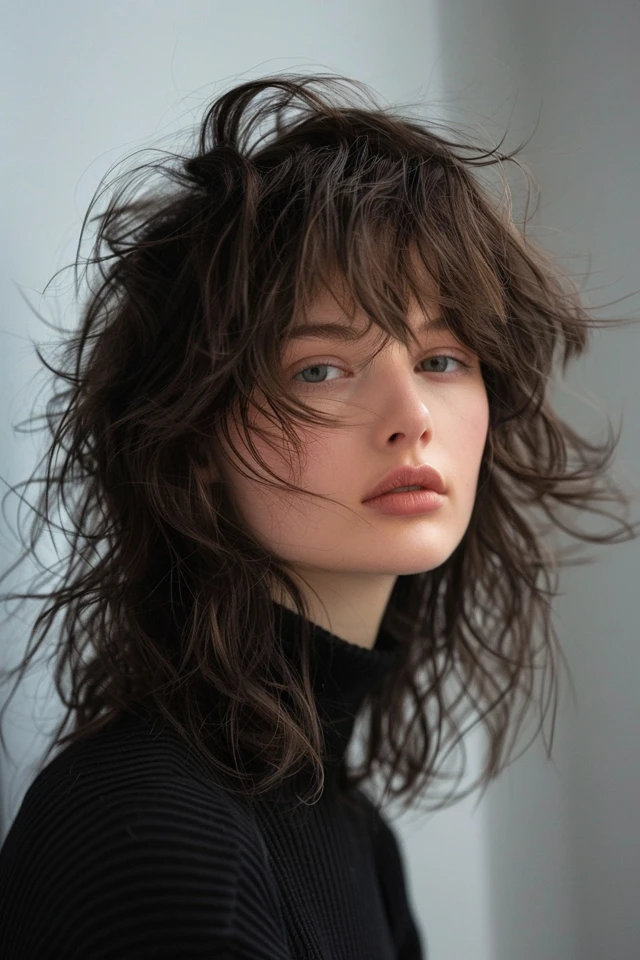
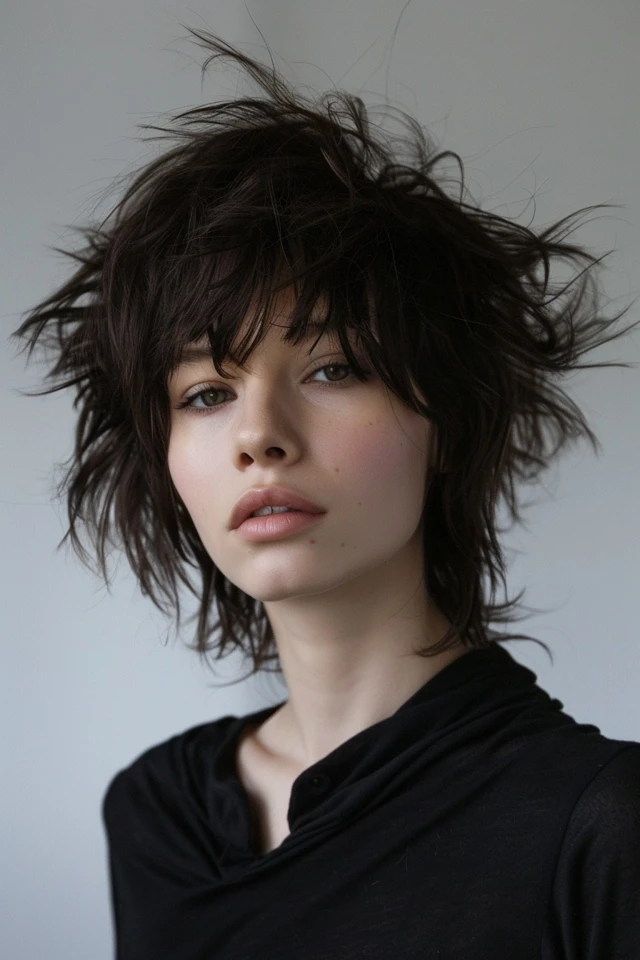
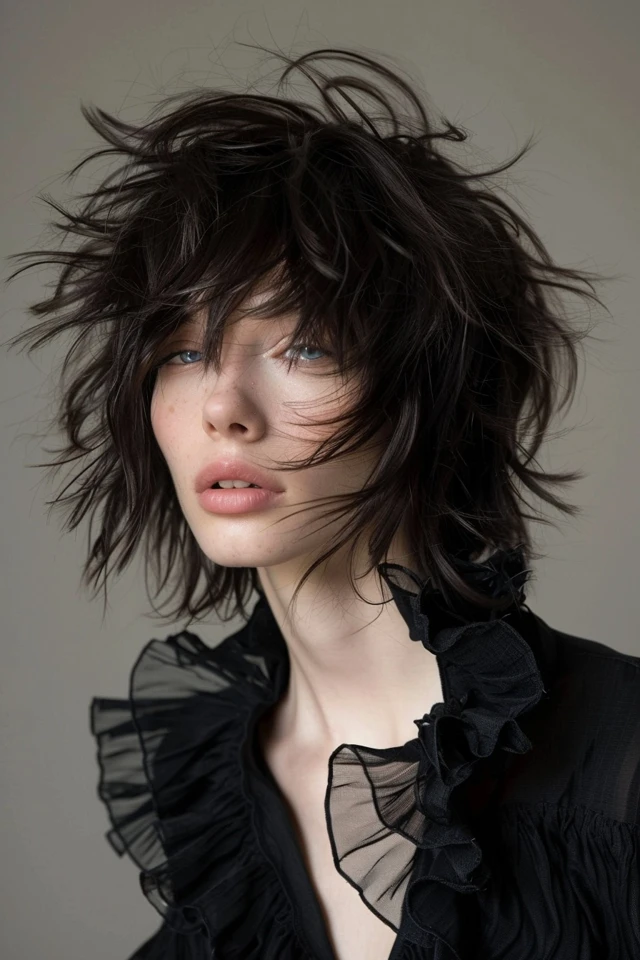
Face-Framing Fringe Layers with Shag Cut
This version blends layers into a shag for added texture. It suits most face shapes due to the layered structure. Wavy and thick hair benefit most. Use a texturizing spray.
1
2
3
4
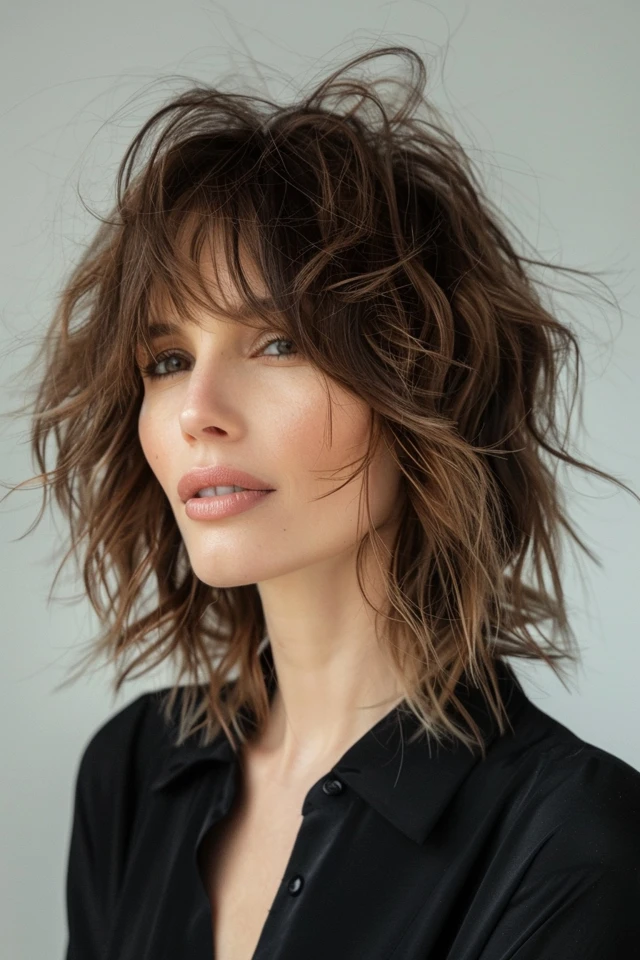
The layers create volume and separation. This adds a relaxed, slightly edgy feel. It works well for casual settings. The style doesn’t require precise styling.
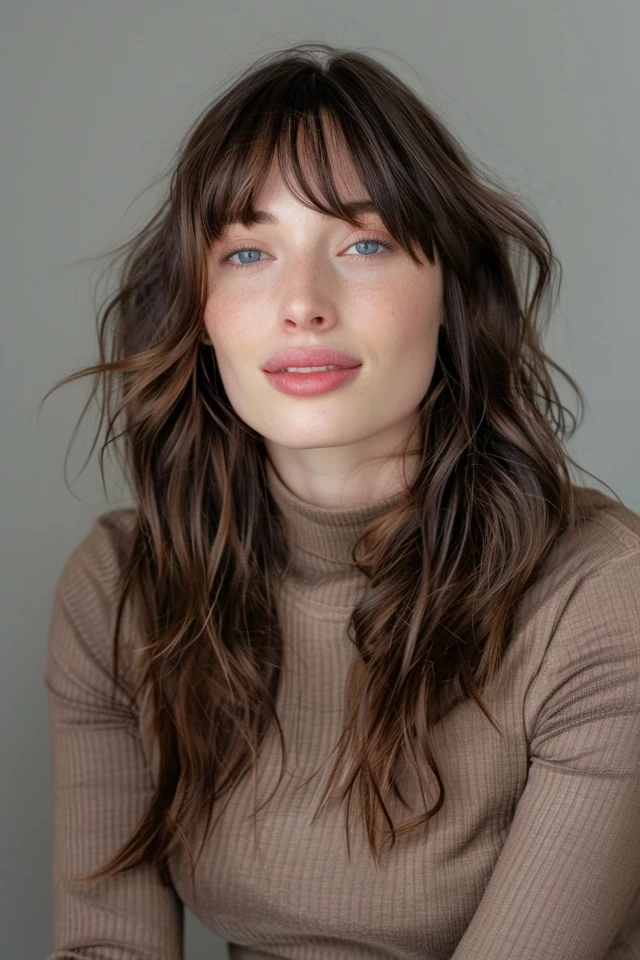
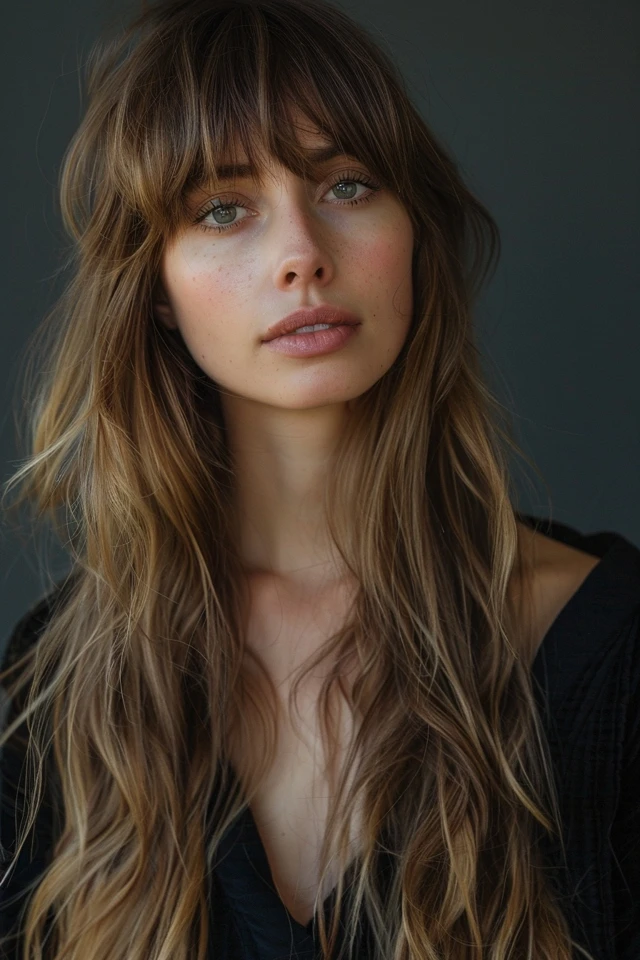
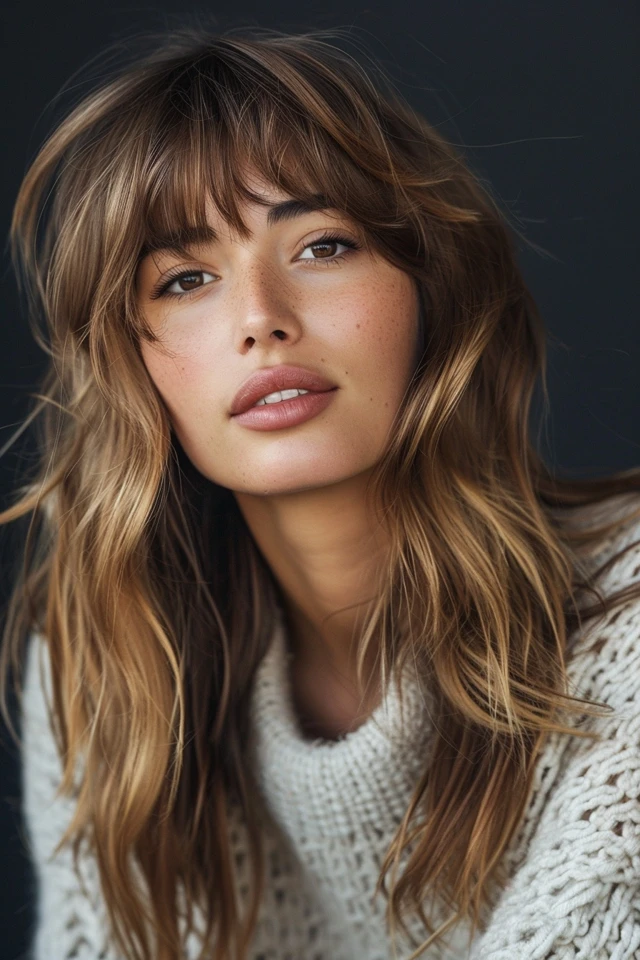
Long Face-Framing Fringe Layers
Longer face-framing layers extend toward the jawline or below. They suit longer face shapes by adding width. Straight and wavy hair types respond best. Use a round brush for shaping.
1
2
3
4
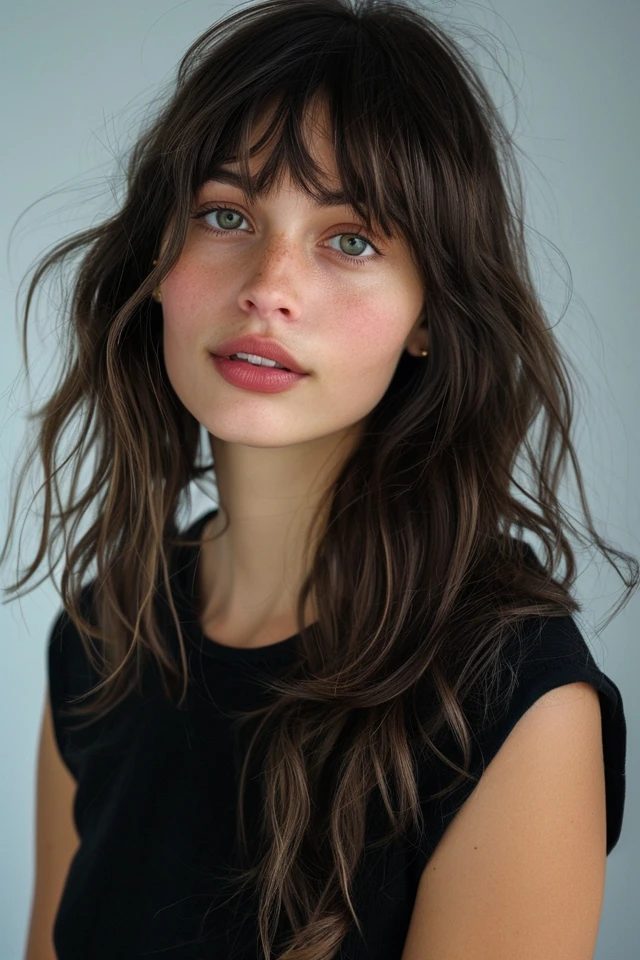
The length allows the layers to blend fully into the hair. This makes them easy to style or tuck behind the ears. It’s a flexible option for low-maintenance routines.
How to Style Face-Framing Fringe Layers for Best Results
Use a round brush and blow-dryer to shape the front sections away from the face. Focus on creating soft movement rather than sharp lines. Keep products light to avoid weighing the layers down. You can also air dry for a more natural finish. Regular trims help maintain the shape and balance.
Final Thoughts on Face-Framing Fringe Layers
Face-framing fringe layers offer a simple way to enhance your natural features. They add movement, soften the face, and blend easily into different hairstyles. The style feels modern and easy to maintain without requiring constant styling.
If you want a haircut that highlights your face without looking heavy, this is a strong option. The key question is simple. Do you want subtle shaping, or something more defined around your face?