Razor-cut layers create soft edges, light movement, and a lived-in finish. Stylists use a razor instead of scissors to remove bulk and add texture. This technique builds separation without harsh lines. It works well on straight, wavy, and some curly hair types. The result feels lighter and more flexible than traditional layering. Razor-cut layers suit people who want shape without stiffness. They also grow out more naturally. You can wear them messy or refined. That balance makes this cut practical and easy to adapt.
What Makes Razor-Cut Layers Feel So Light and Natural
Razor-cut layers work because the blade tapers the ends instead of cutting them blunt. This reduces weight and creates a softer outline. Hair moves more freely, which adds volume without puffiness. The finish looks natural, not overly styled. It suits people who prefer a relaxed, effortless look.
Another advantage is customization. Stylists can adjust depth and placement to suit face shape and texture. Fine hair gains lift, while thick hair loses excess weight. Razor-cut layers also blend well, so the shape grows out smoothly. This reduces the need for frequent trims.
8 Razor-Cut Layers Styles That Work Across Hair Types
Classic Razor-Cut Layers
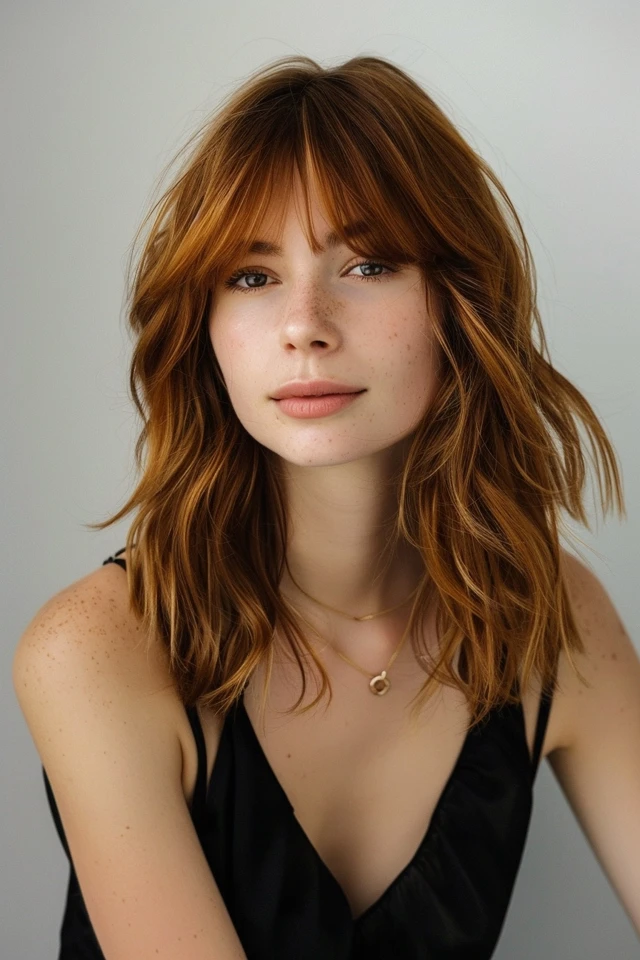
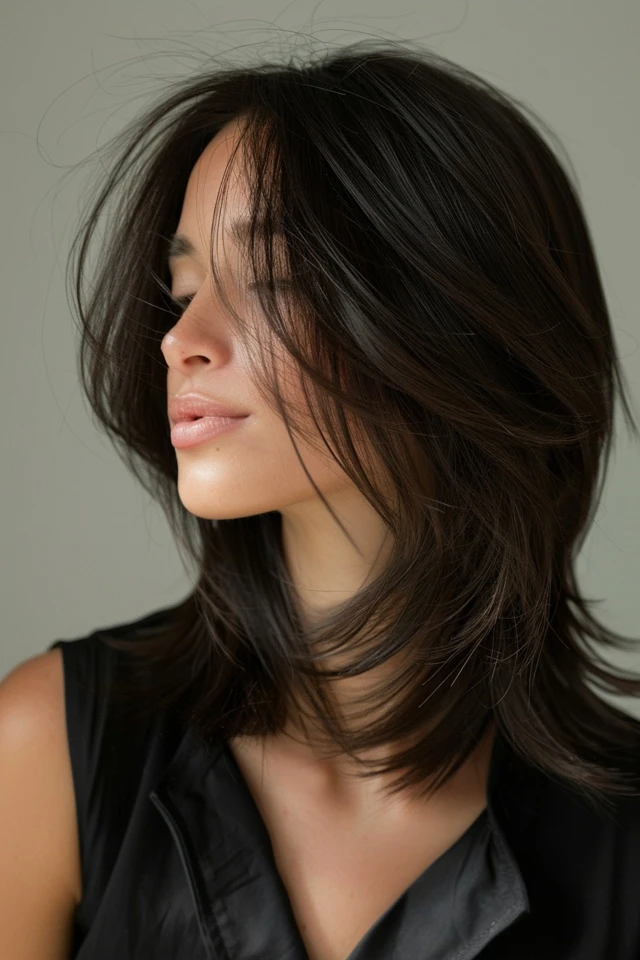
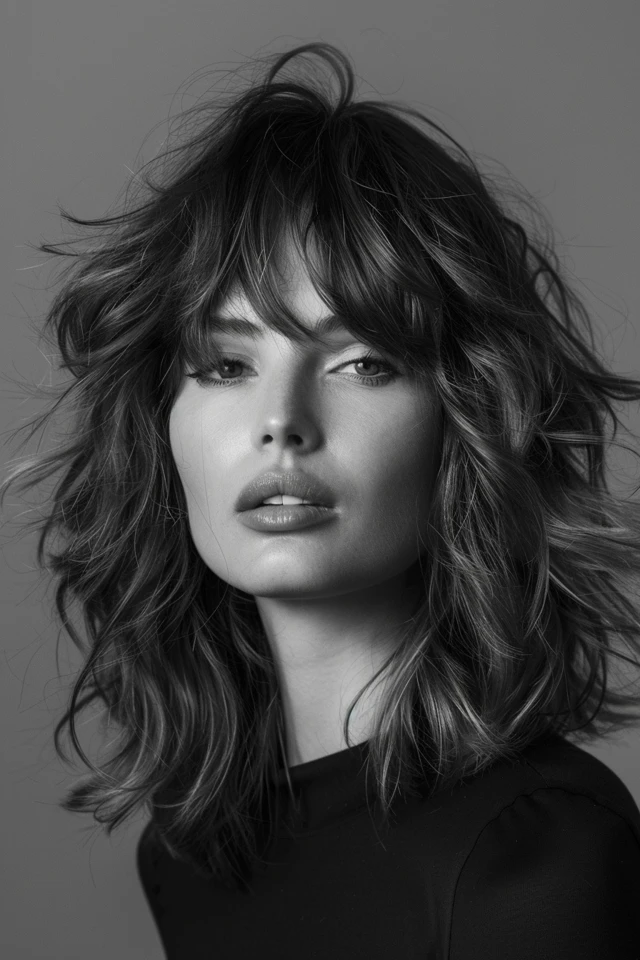
This version keeps balanced layers throughout the length. It suits oval and heart-shaped faces because it maintains symmetry. Straight and slightly wavy hair show the texture best. Styling is simple. Use a light blow-dry or air dry with a texturizing spray.
1
2
3
4
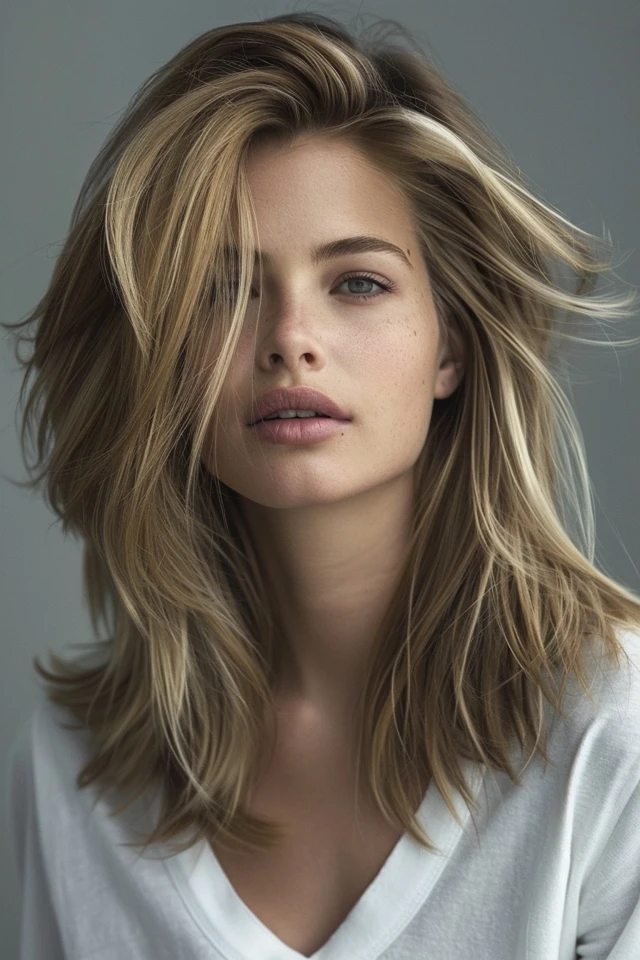
The cut features softly tapered ends and even distribution of layers. It works for daily routines and office settings. You can part it differently to change the look. It stays manageable and doesn’t require heavy styling to hold its shape.
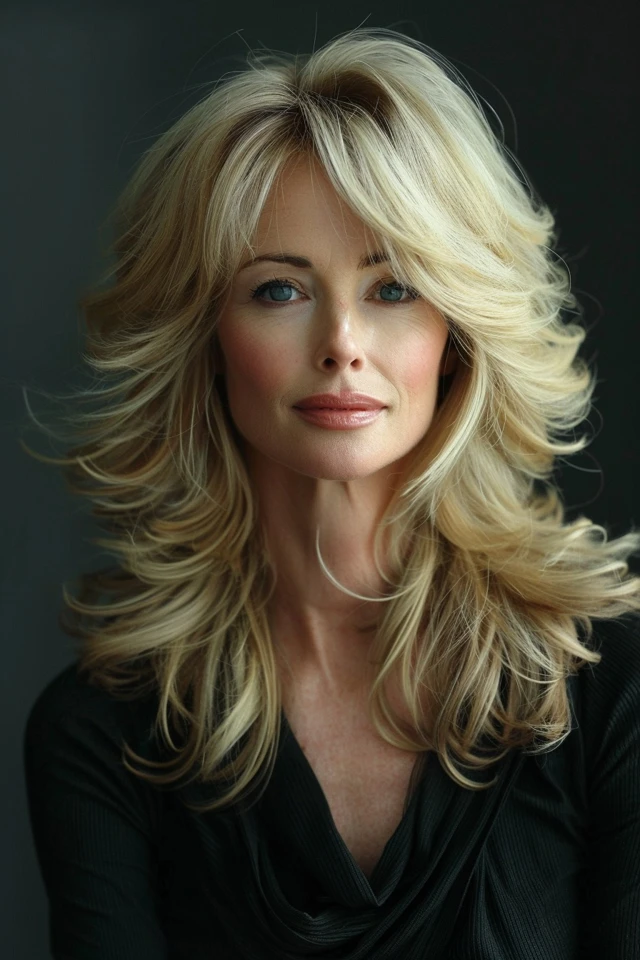
Razor-Cut Layers for Fine Hair
Fine hair benefits from the added movement and lift. The razor removes weight without thinning too much. This suits round faces by adding height at the crown. Use a volumizing mousse to support the structure.
1

2

3
4
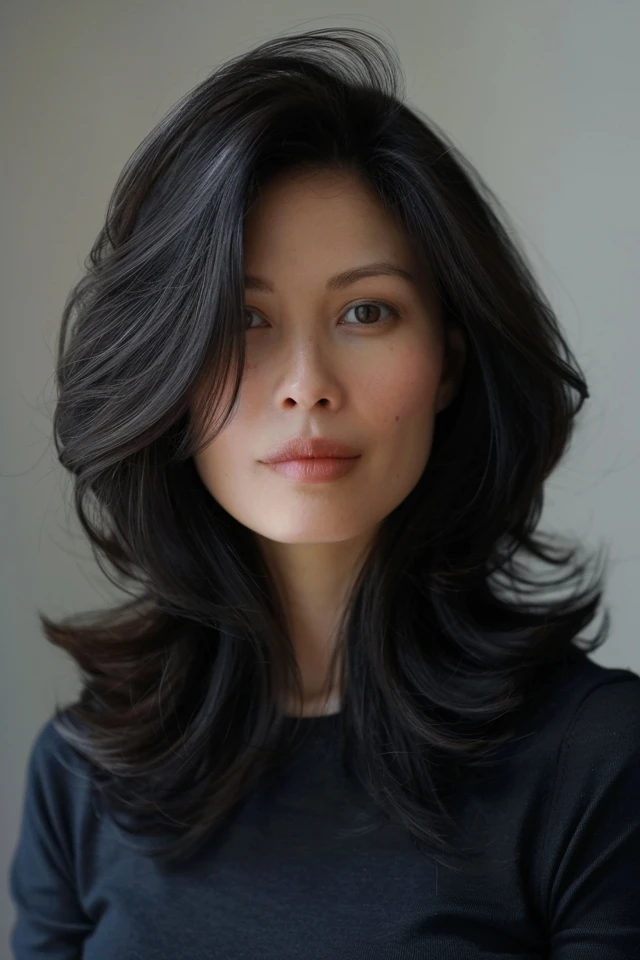
The layers stay light and airy, which prevents flatness. The ends look soft instead of stringy. This makes the hair appear fuller. It’s a good option for people who want volume without heavy products or complex styling.
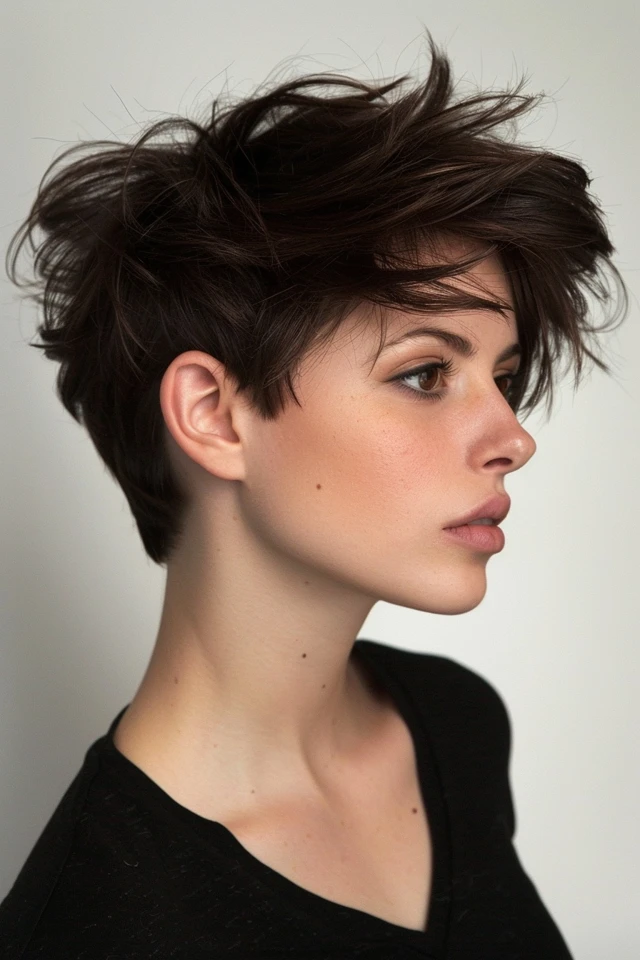
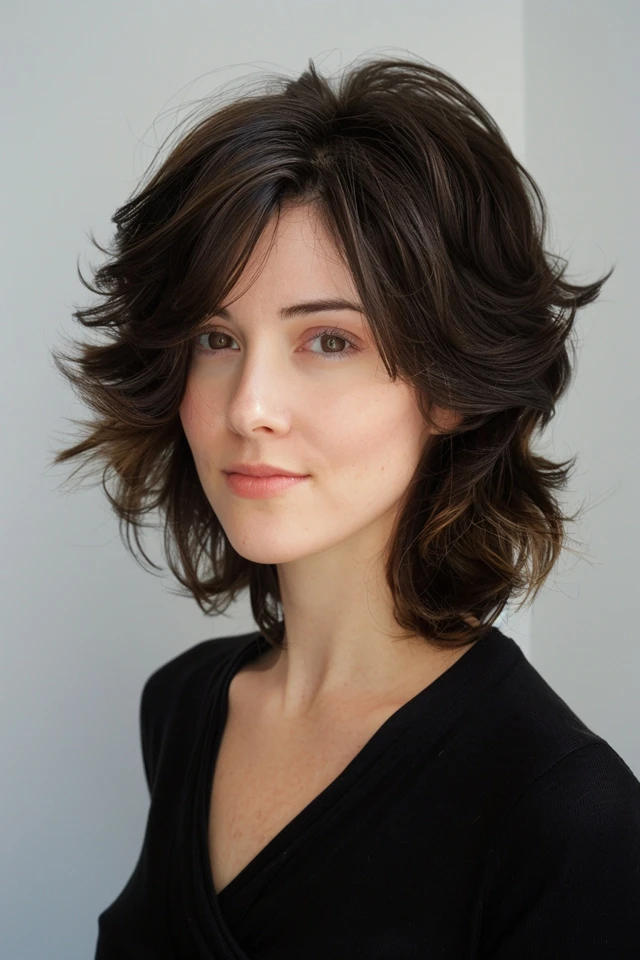
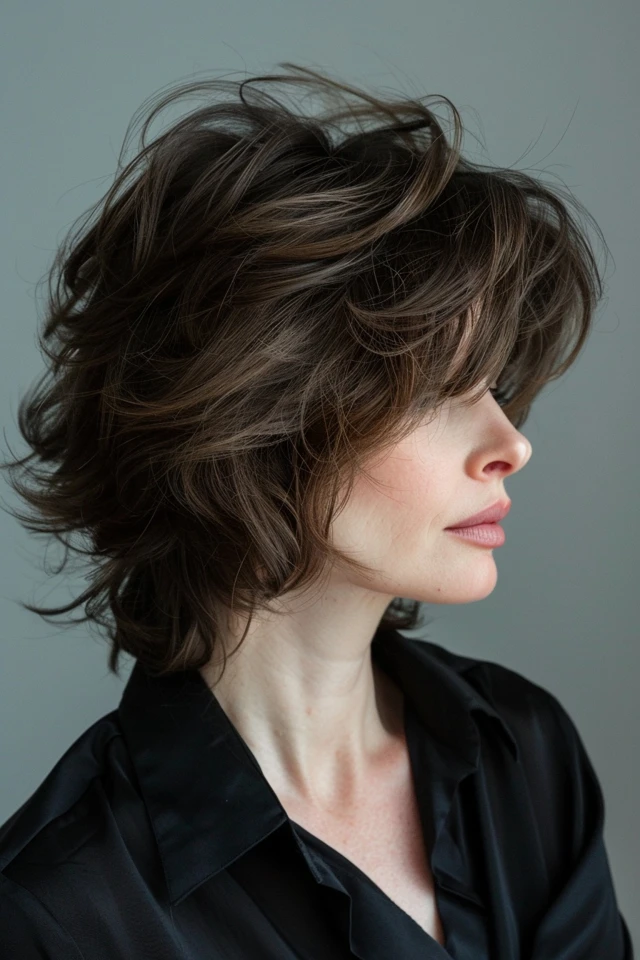
Razor-Cut Layers for Thick Hair
This variation focuses on removing bulk. Thick hair can feel heavy, but razor cutting breaks it up. It suits square and round faces by adding vertical flow. Use smoothing cream to control excess volume.
1
2
3
4
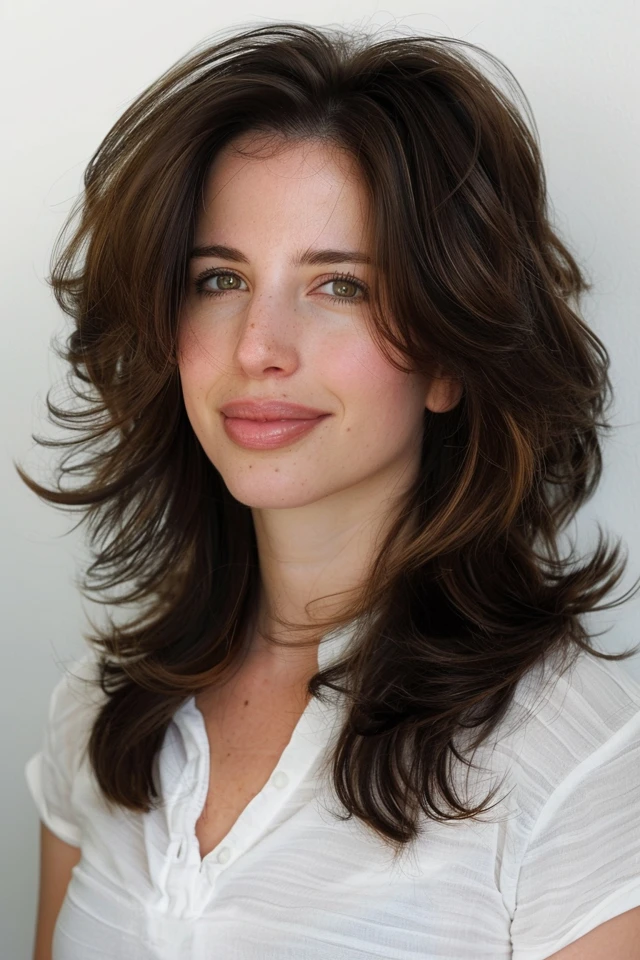
The layers reduce density while keeping shape. This makes styling faster and more manageable. The hair feels lighter without losing body. It works well for people who want less weight but still want movement.
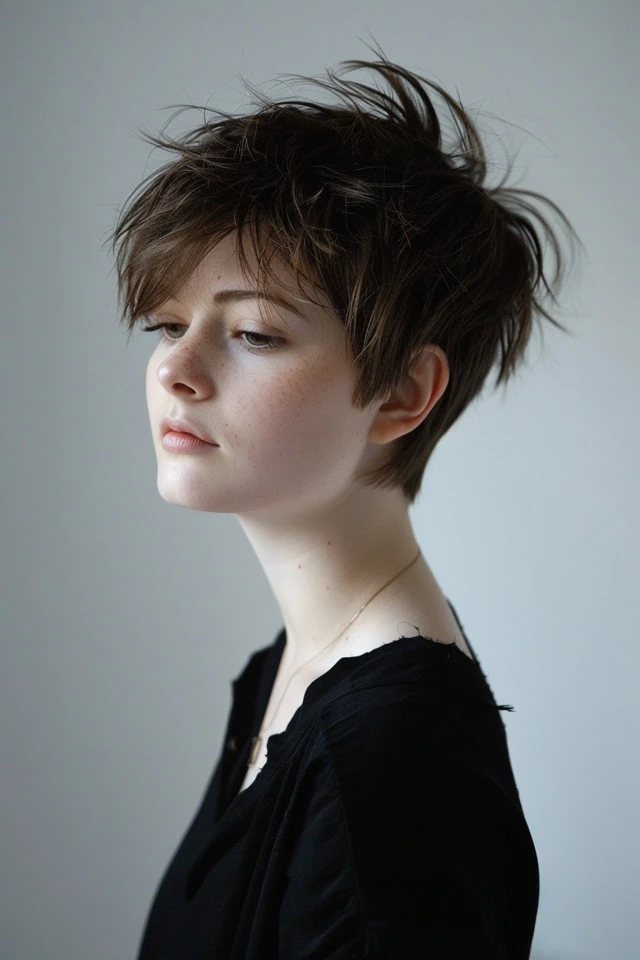
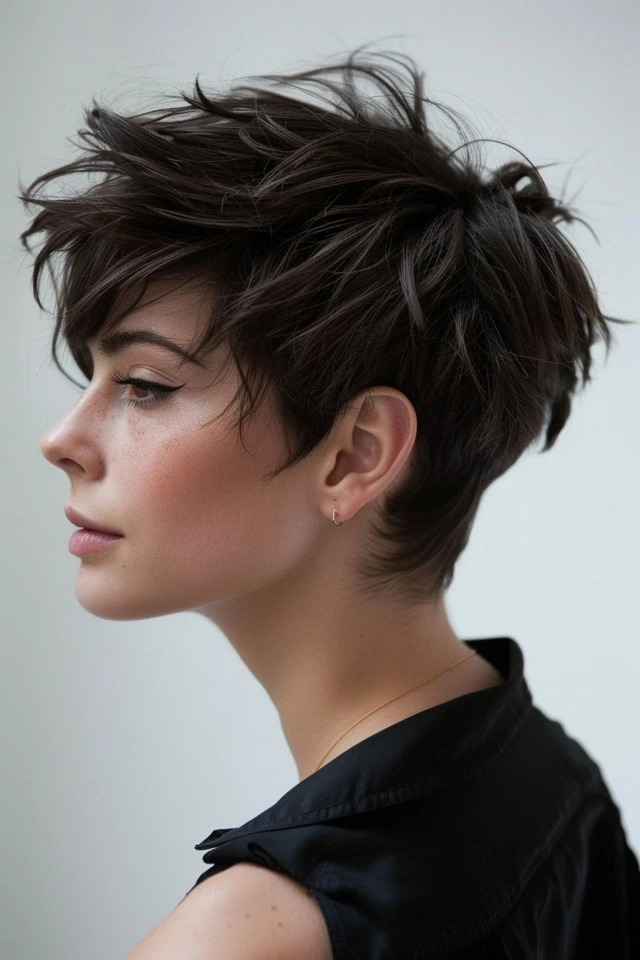
Short Razor-Cut Layers
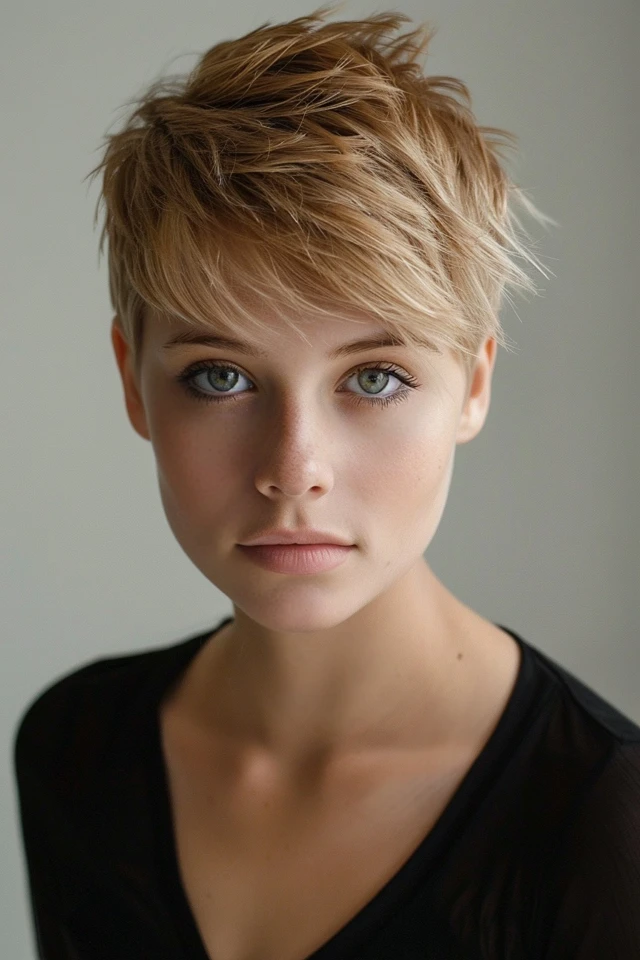
Short razor-cut layers add texture and lift to cropped styles. They suit petite features and fine hair. The layers create volume without needing much length. Styling takes minutes with a small amount of texturizing paste.
1
2
3
4
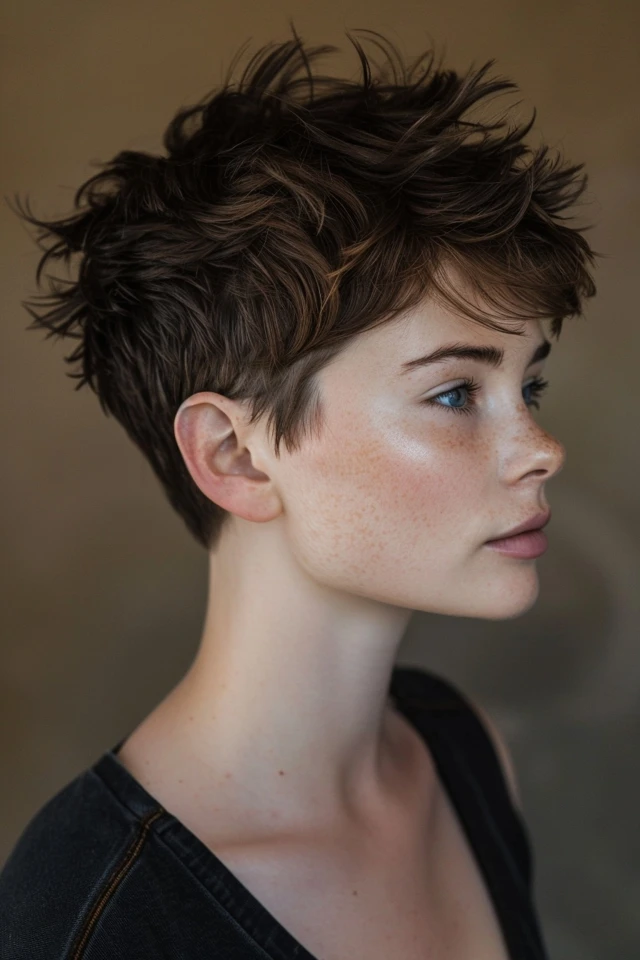
The cut keeps the sides controlled and the top slightly fuller. It feels modern and practical. This version works well for active lifestyles. It stays easy to maintain and holds its structure throughout the day.
Long Razor-Cut Layers
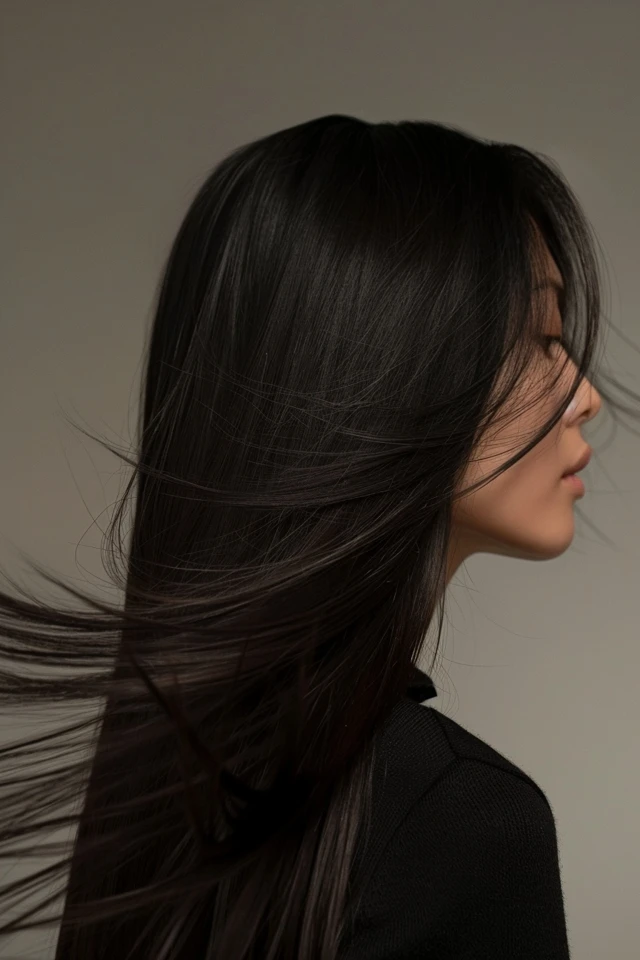
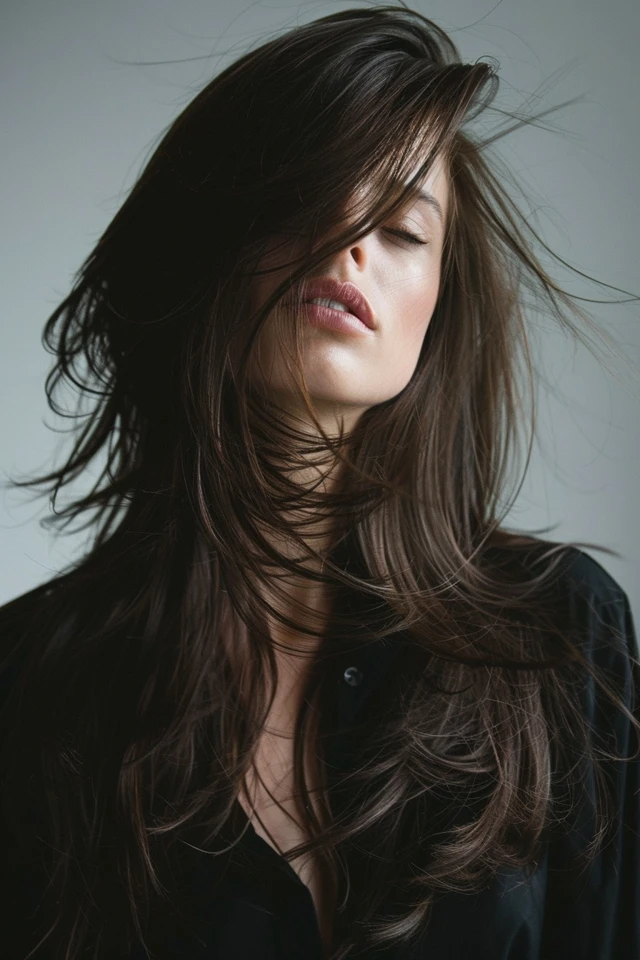
Long lengths benefit from reduced weight and added flow. This works well for thick hair and longer face shapes. The layers soften the overall look. Use a lightweight serum to keep the ends smooth.
1
2
3
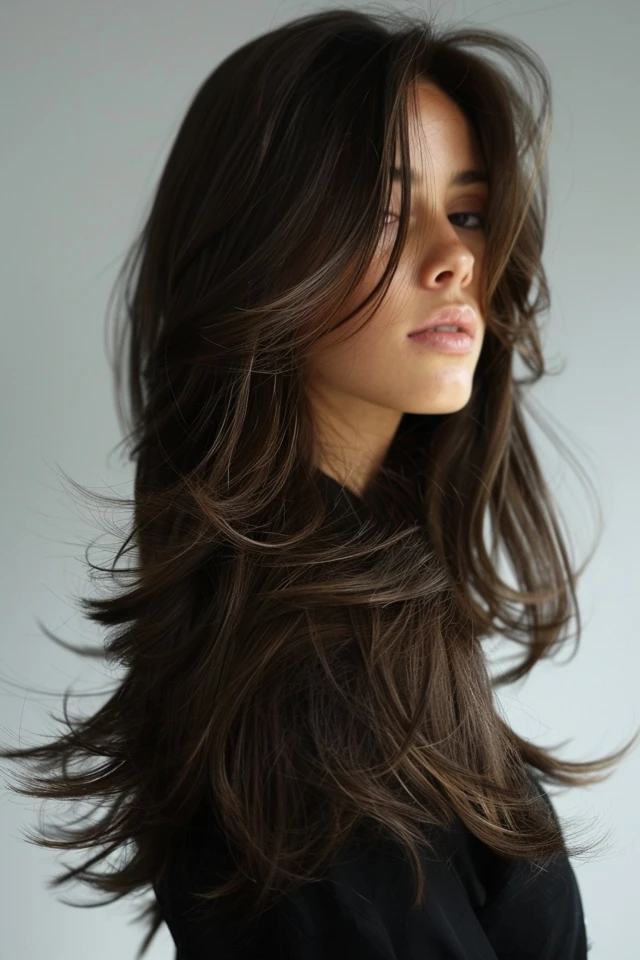
4
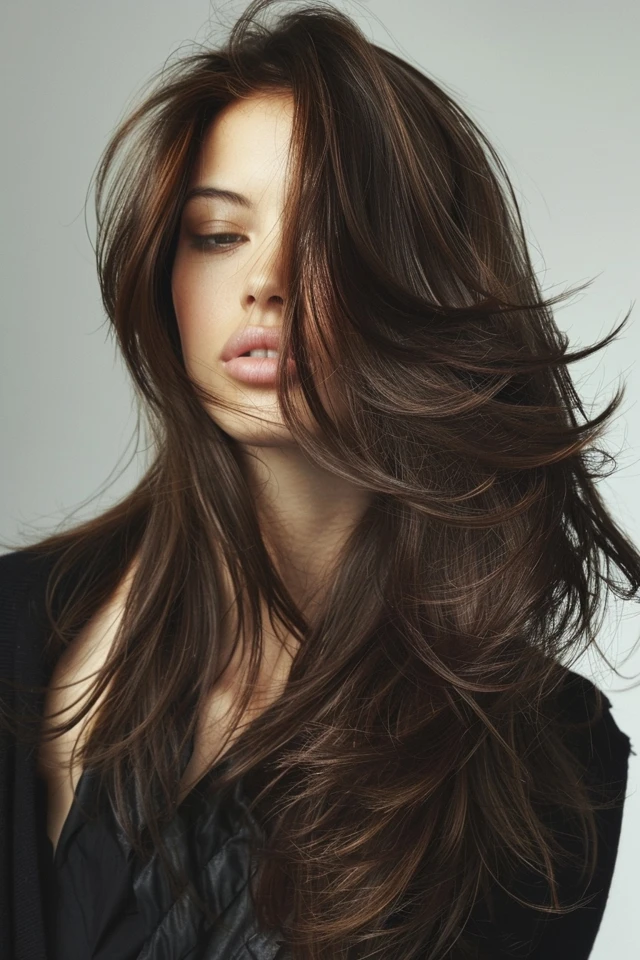
The cut keeps the length intact while adding movement. It prevents the hair from looking heavy or flat. You can style it straight or wavy. This version offers flexibility without losing shape.
Razor-Cut Layers with Curtain Bangs
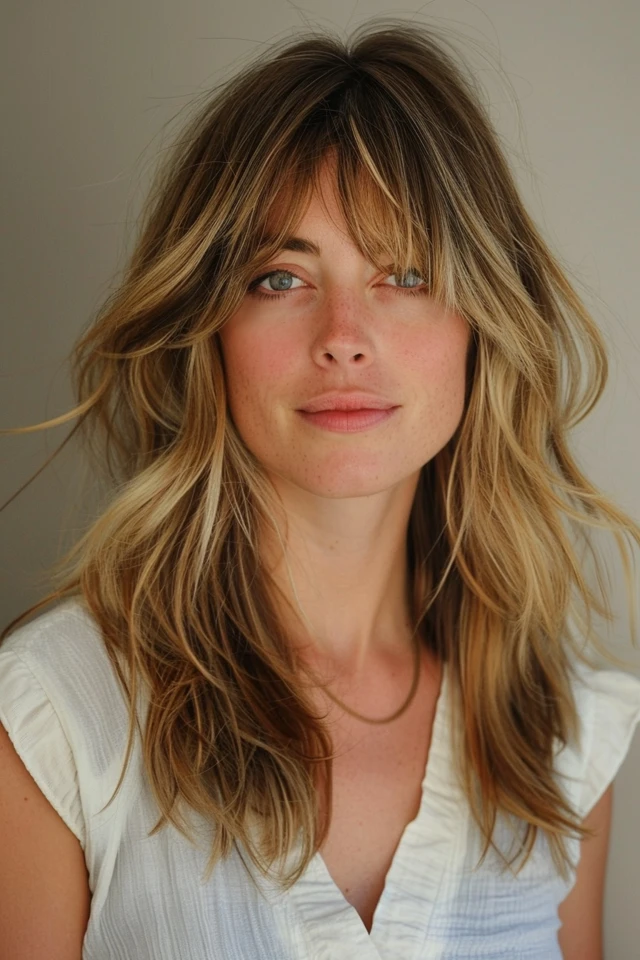
Curtain bangs blend easily into razor-cut layers. This suits longer faces by adding width around the cheek area. Straight and wavy hair types work best. Blow-dry the bangs slightly outward for shape.
1
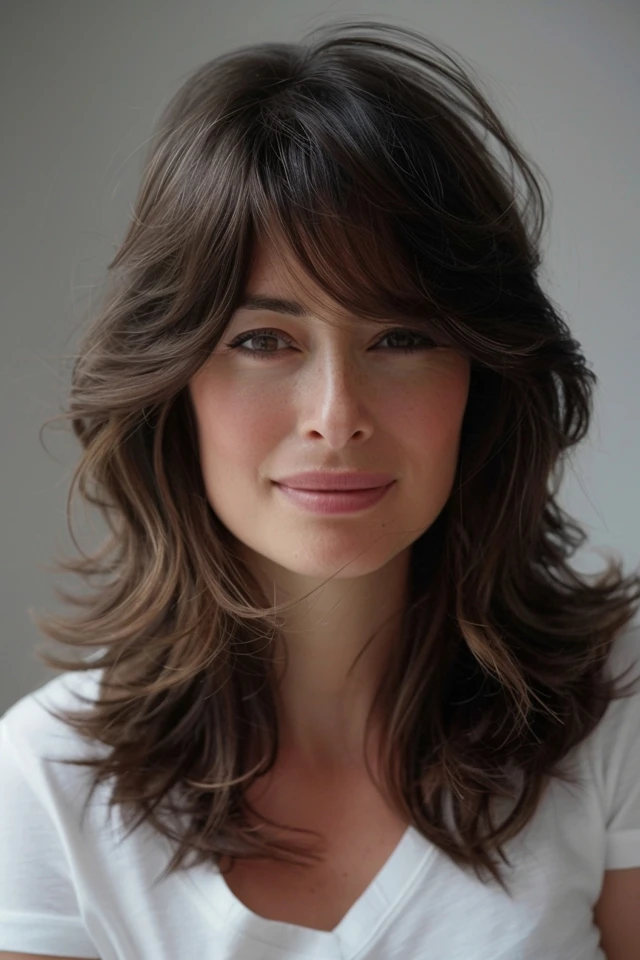
2
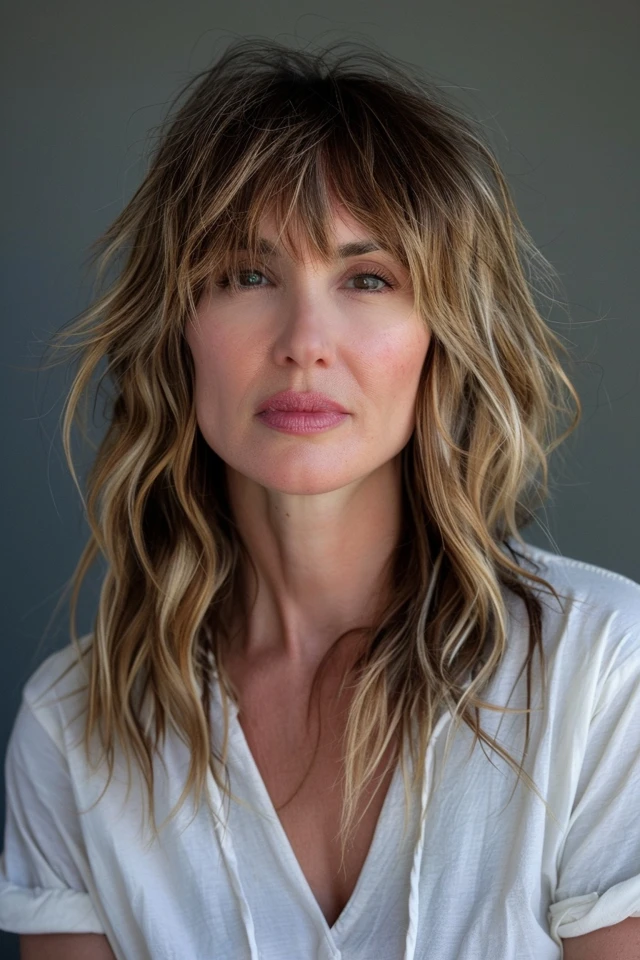
3
4
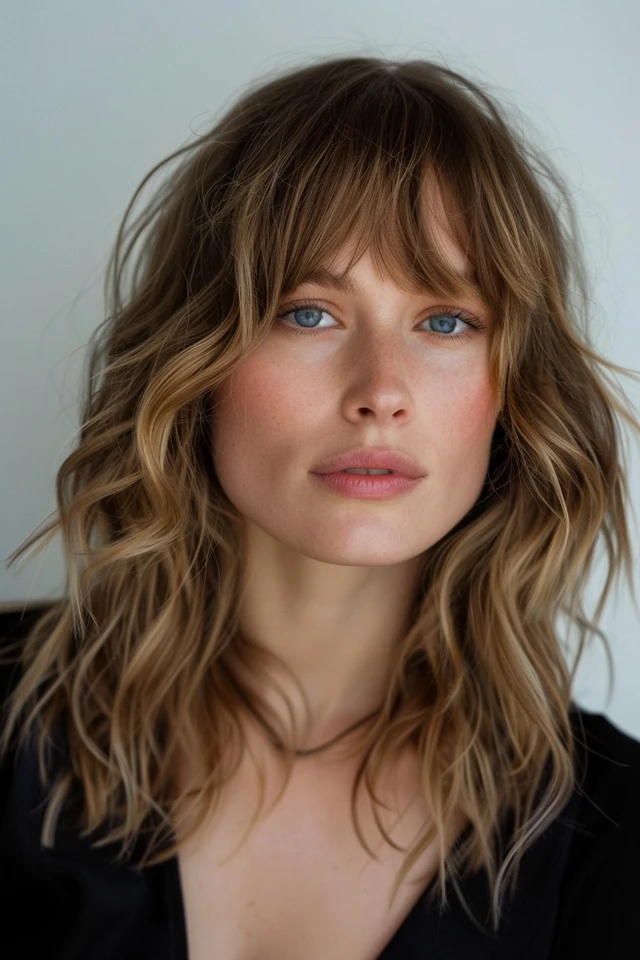
The layers connect smoothly from the fringe to the ends. This creates a cohesive look. It works in both casual and professional settings. You can adjust the parting to change the style without cutting.
Shaggy Razor-Cut Layers
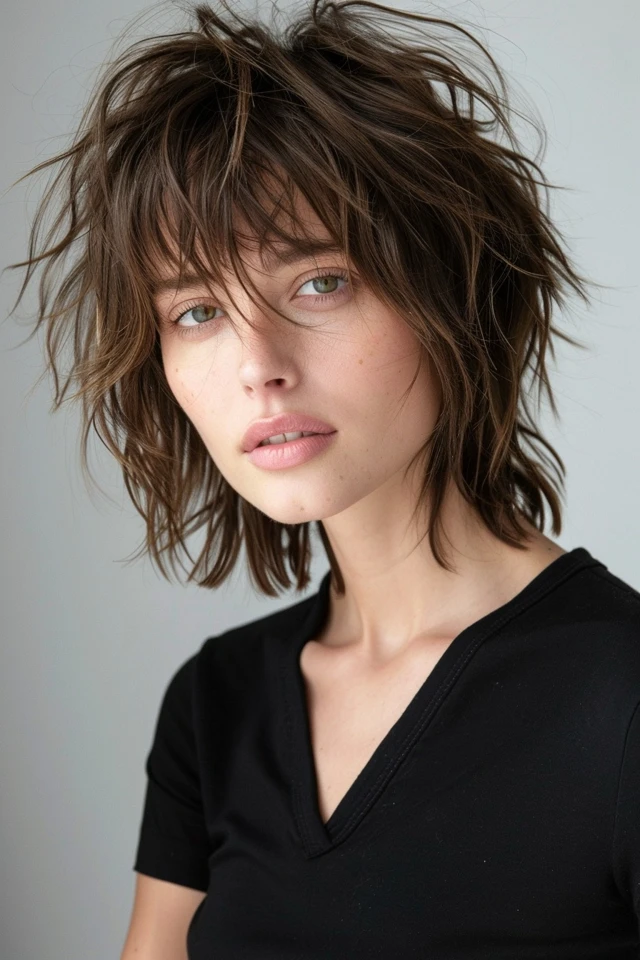
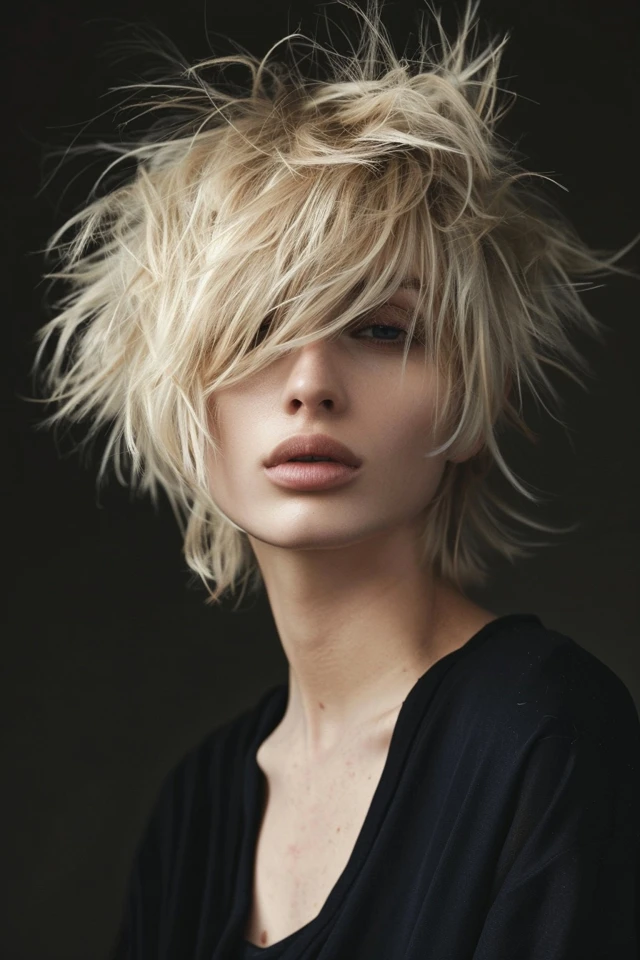
This style leans into texture and separation. It suits most face shapes and works well on wavy hair. The razor enhances the messy, lived-in feel. Use a salt spray to define the layers.
1
2
3

4
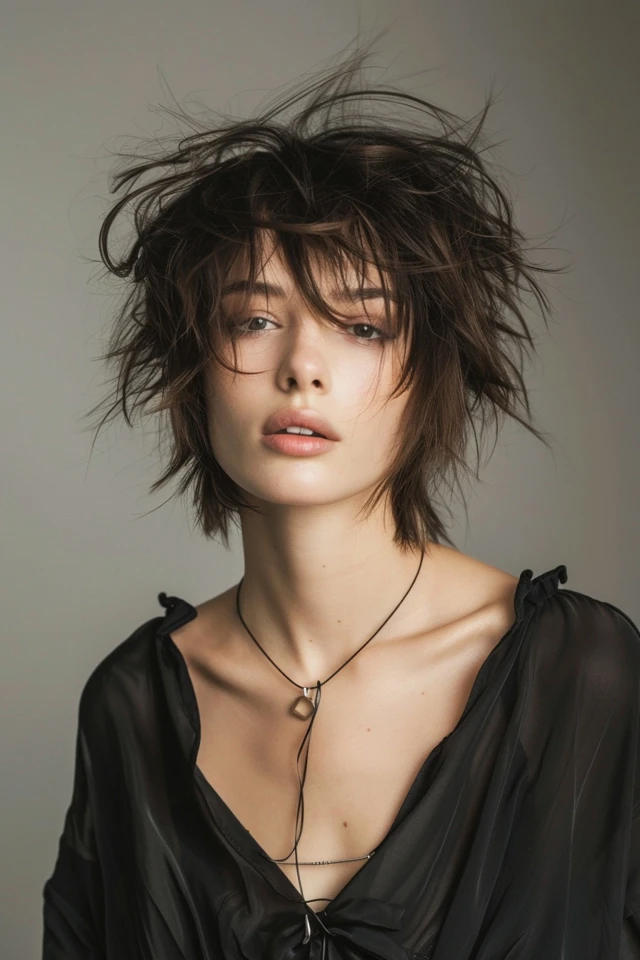
The layers are more uneven, which adds character. It feels relaxed and slightly edgy. This version works well for casual environments. It doesn’t require precise styling, which makes it easy to maintain.
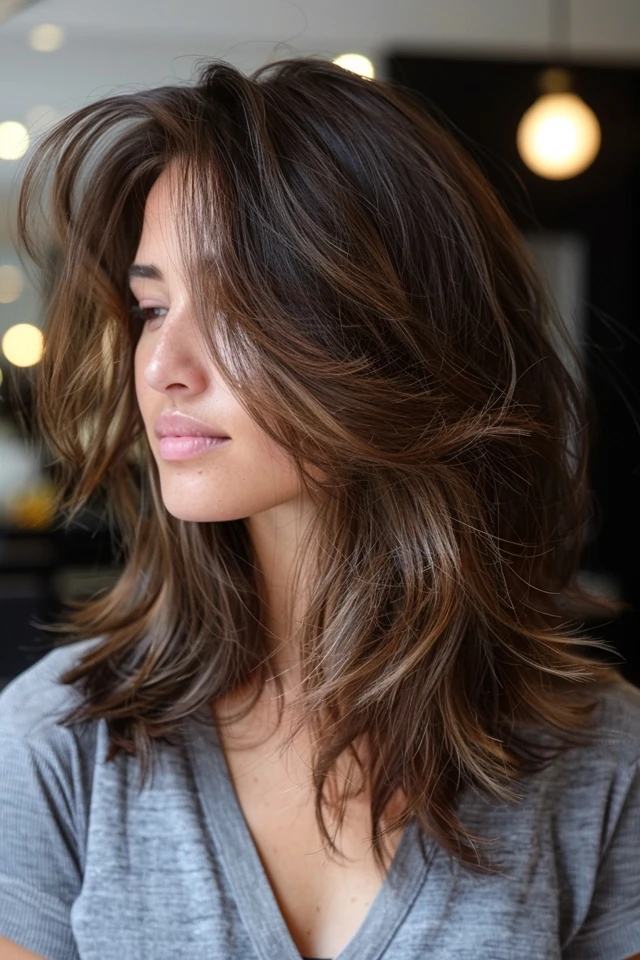
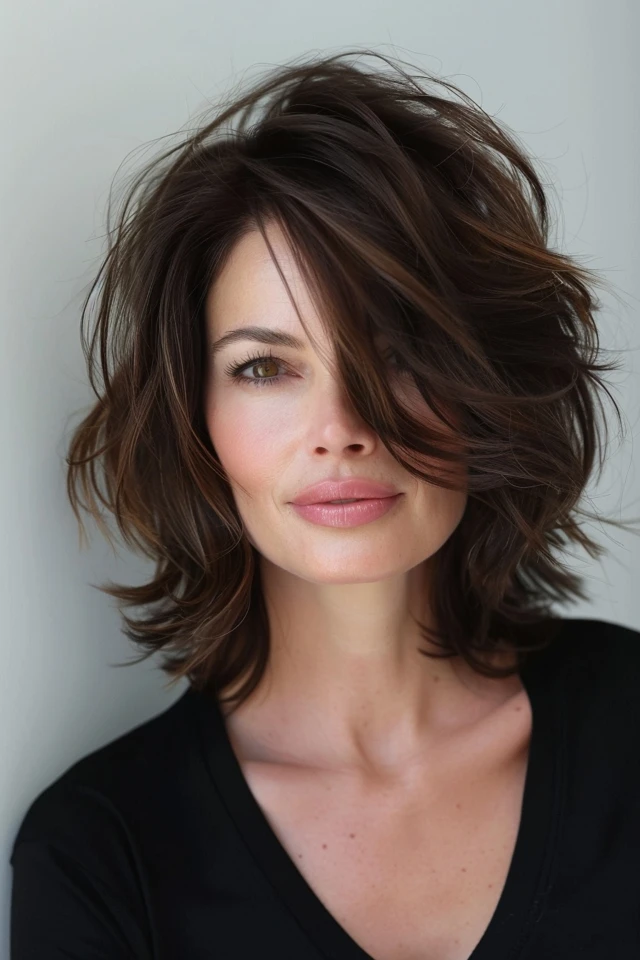
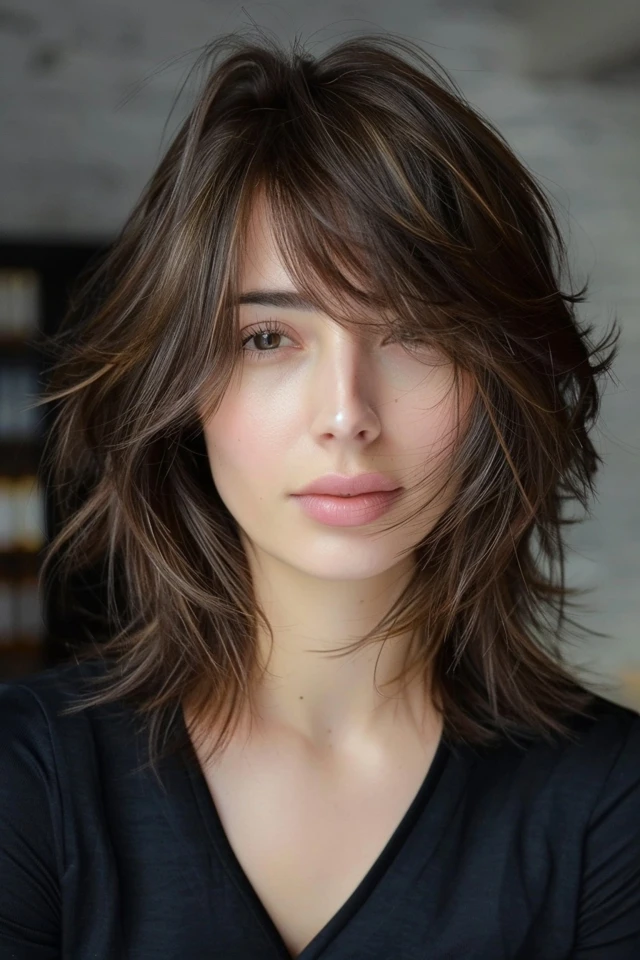
Razor-Cut Layers with Face-Framing Pieces
Face-framing layers highlight features like cheekbones and jawline. This suits all face shapes with slight adjustments. Fine and medium hair types benefit most. Use a round brush to shape the front sections.
1
2
3
4
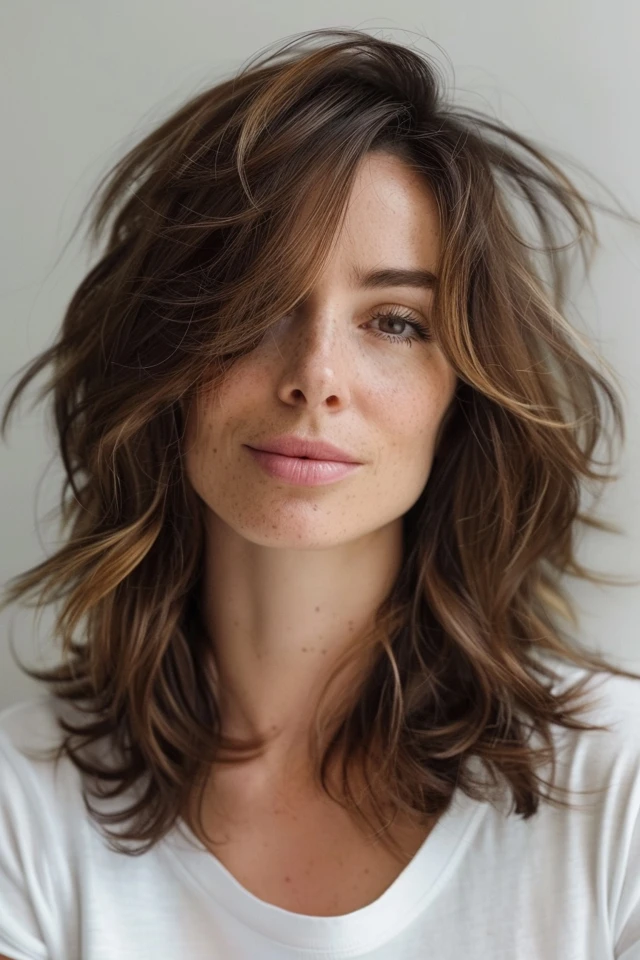
The layers around the face blend into the rest of the hair. This creates a soft transition. It adds structure without harsh lines. This version works well for everyday wear and polished looks.
How to Style Razor-Cut Layers for Best Results
Work with your natural texture. Use lightweight products that enhance movement without weighing hair down. Focus on lifting the roots and keeping the ends soft. Avoid heavy creams that flatten the layers. Regular trims keep the shape clean. A slightly undone finish often looks better than a perfect style.
Final Thoughts on Razor-Cut Layers
Razor-cut layers offer softness, movement, and flexibility. They reduce bulk while keeping the hair dynamic. This makes them practical for different hair types and routines. The cut feels modern but not overdone.
If you want a style that looks natural and easy to manage, this is worth trying. The key question is simple. Do you prefer structured layers, or something that moves more freely?