Face-framing layers shape the front of the hair to highlight features like the eyes, cheekbones, and jawline. The layers start around the face and blend into the rest of the hair. This creates a soft contour without removing too much length. Face-framing layers work on short, medium, and long styles with small adjustments. They suit straight, wavy, and loosely curly textures. The result feels natural and balanced. You get structure at the front and movement through the lengths without heavy styling.
Why Face-Framing Layers Add Shape Without Weight
Face-framing layers work because they focus structure where it matters most. The shorter pieces near the face draw attention to key features. This softens strong angles and adds dimension. The rest of the hair stays fuller, so you don’t lose density.
They also adapt easily to different routines. You can wear them straight, wavy, or tied back. The layers blend smoothly, which helps them grow out well. This makes them low-maintenance and easy to style.
8 Face-Framing Layers Styles That Flatter
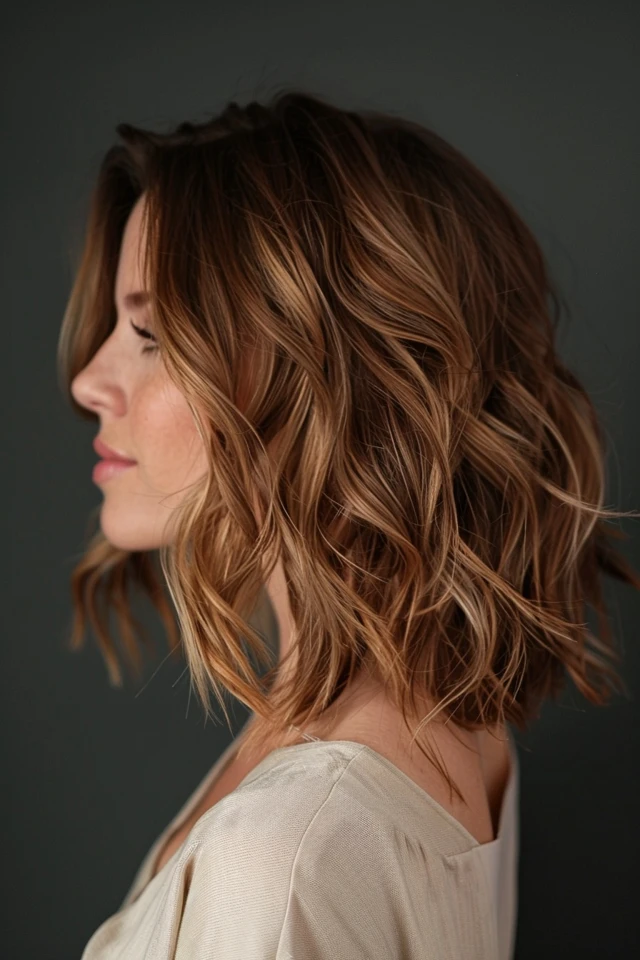
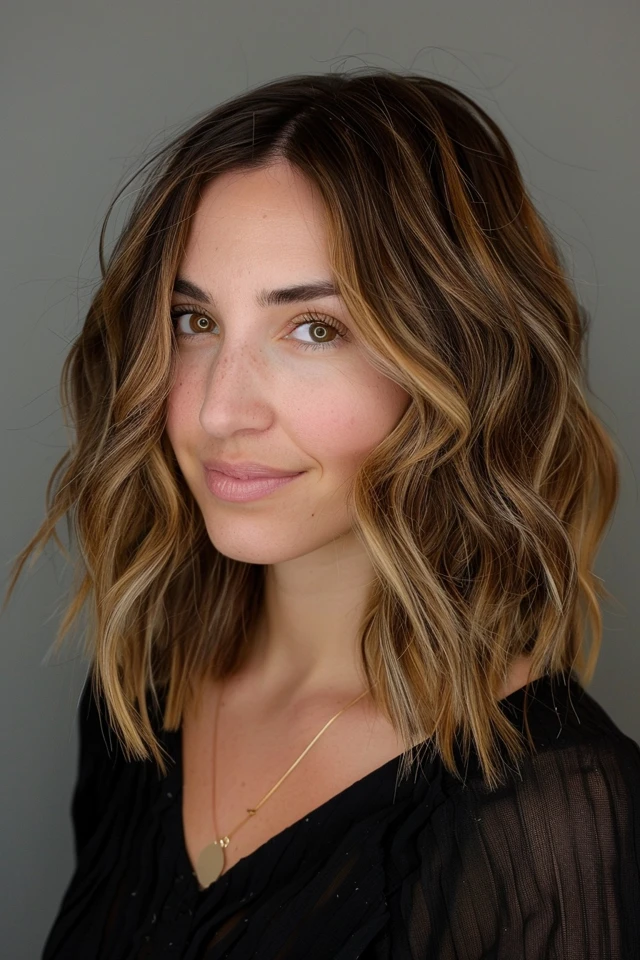
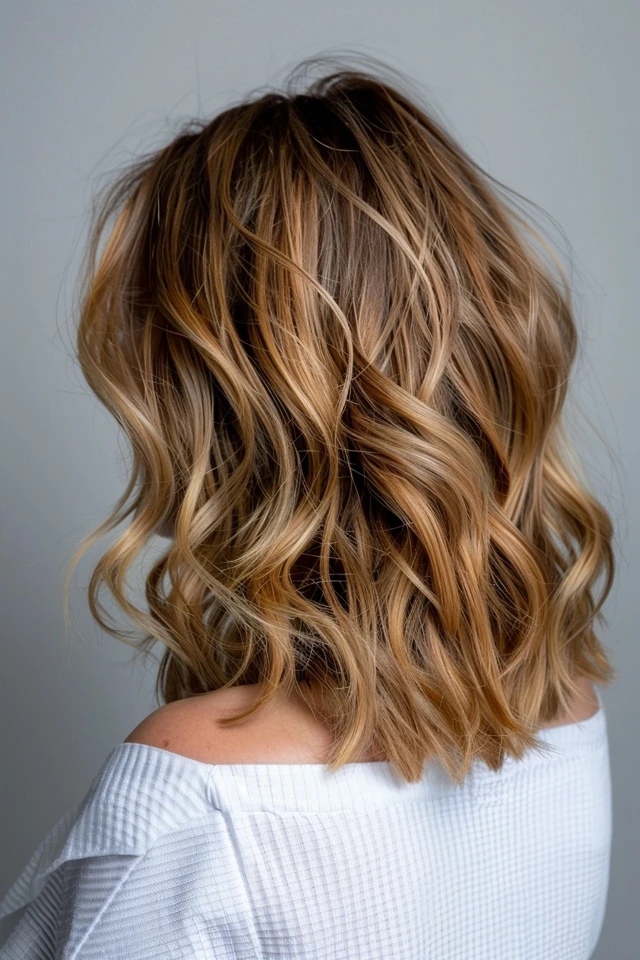
Classic Face-Framing Layers
This version uses soft layers starting near the chin. It suits oval and heart-shaped faces by maintaining balance. Straight to wavy hair works best. Use a round brush to shape the front.
1
2
3
4
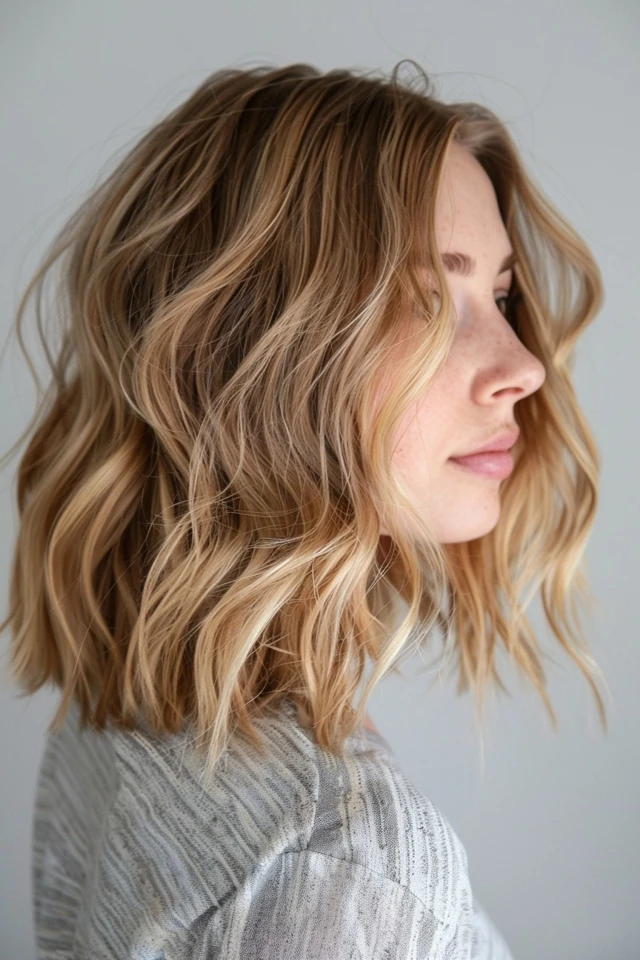
The layers blend smoothly into the rest of the hair. This creates a clean and natural look. It works well for both casual and professional settings. The style remains easy to manage.
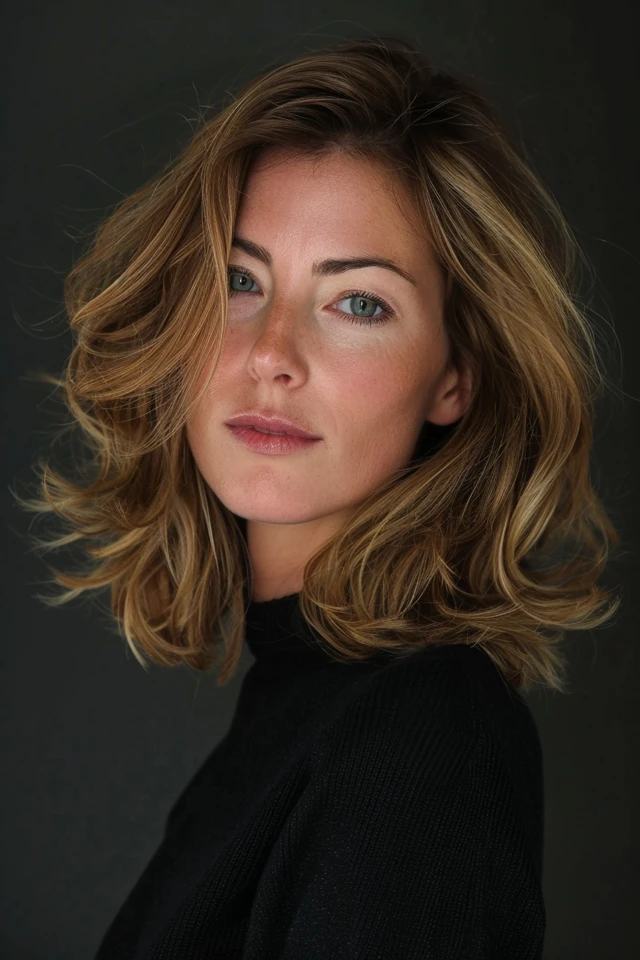
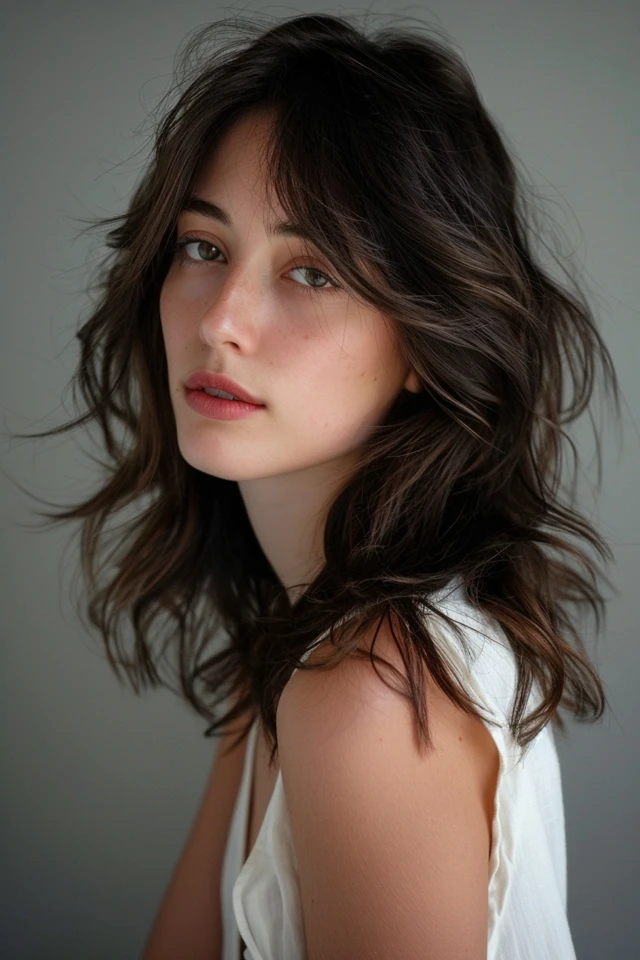
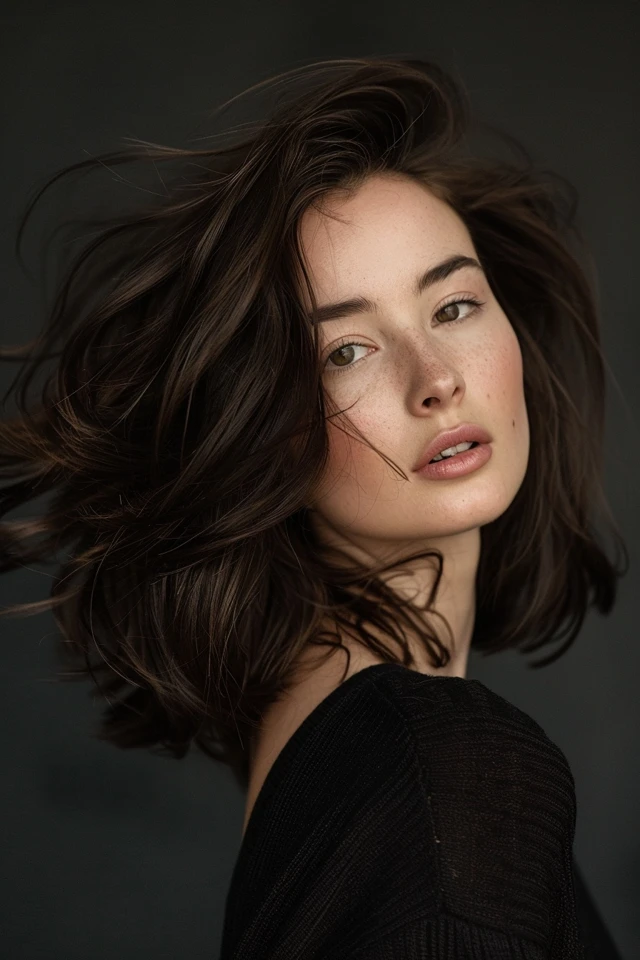
Face-Framing Layers with Long Hair
Long hair benefits from added structure around the face. This suits square faces by softening strong features. Thick hair works well with this style. Use a lightweight serum on the ends.
1
2
3
4
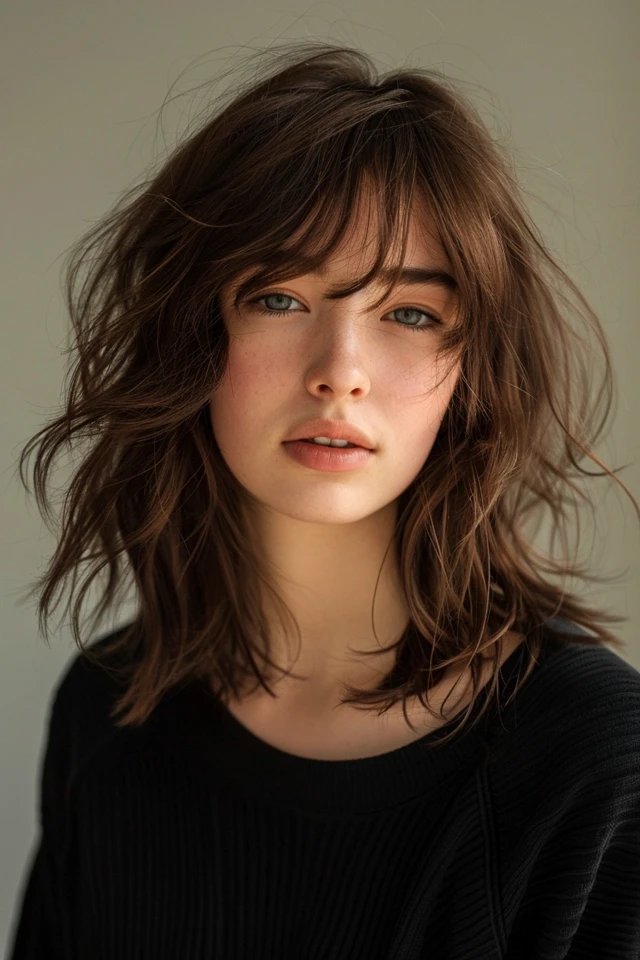
The layers prevent the length from looking heavy. They add movement and depth. This keeps the style balanced. It works well for everyday wear and styled occasions.
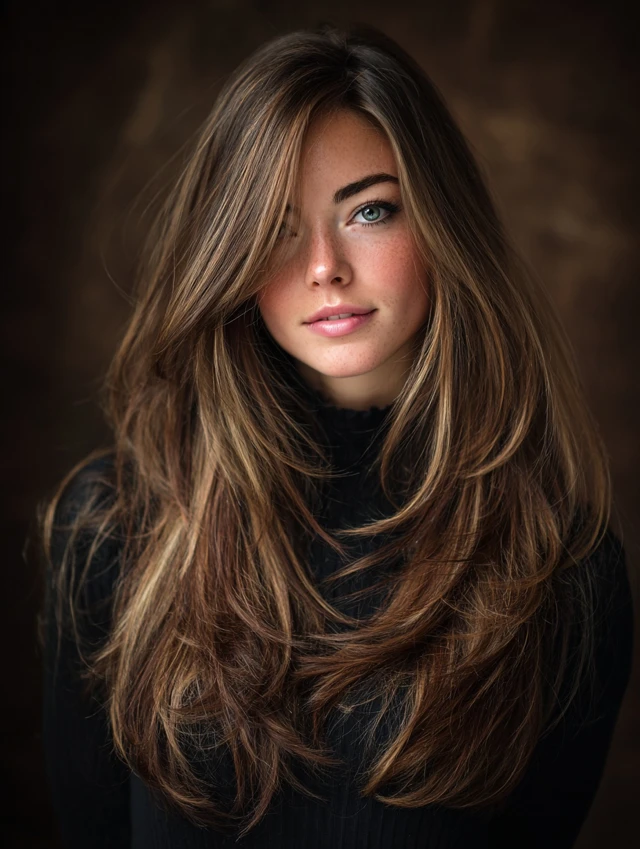
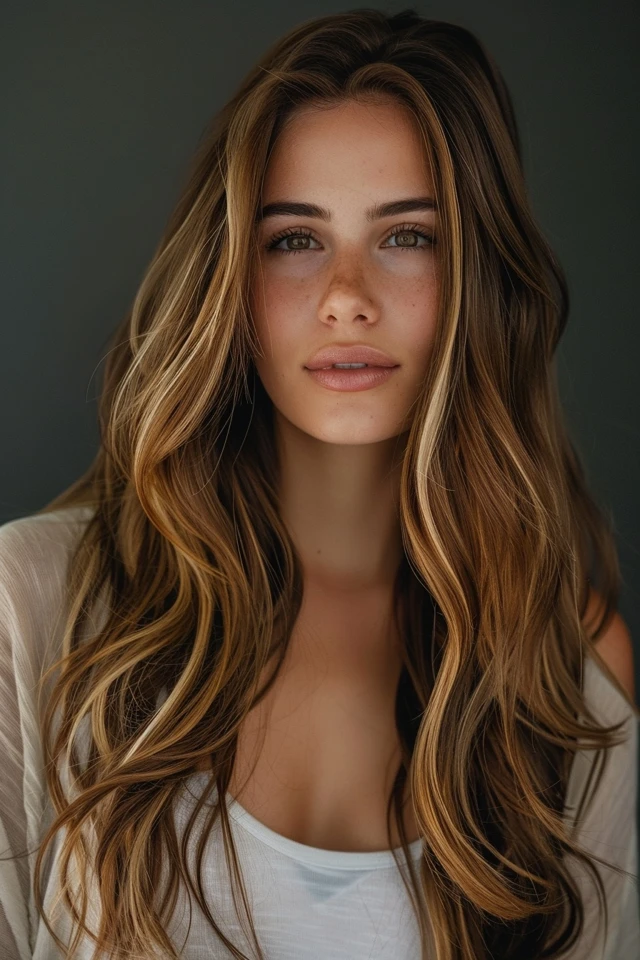
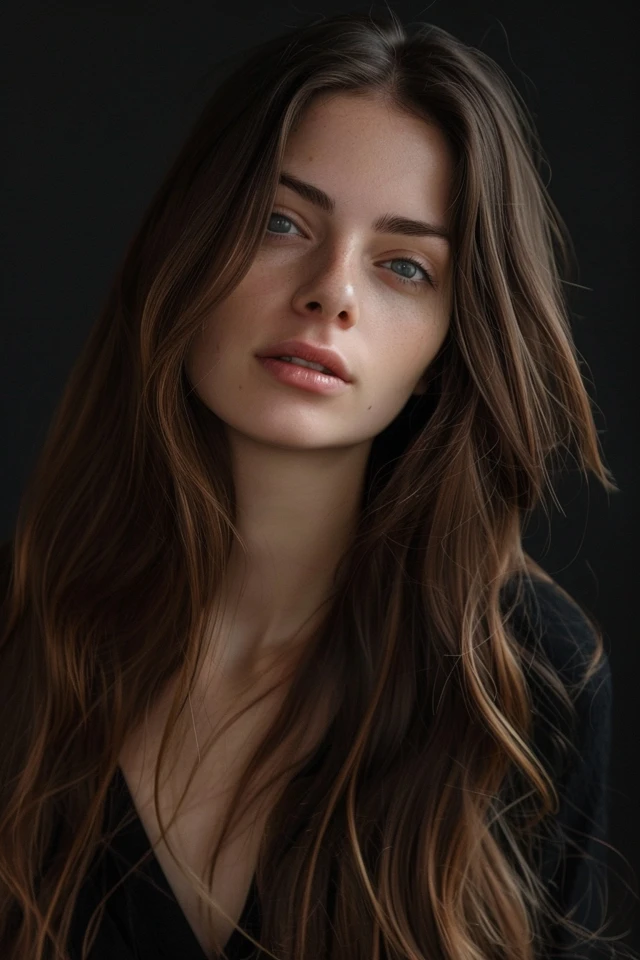
Face-Framing Layers with a Lob
Adding face-framing layers to a lob softens the shape. It suits round faces by adding angles. Straight and slightly wavy hair respond best. Blow-dry the front outward.
1
2
3
4
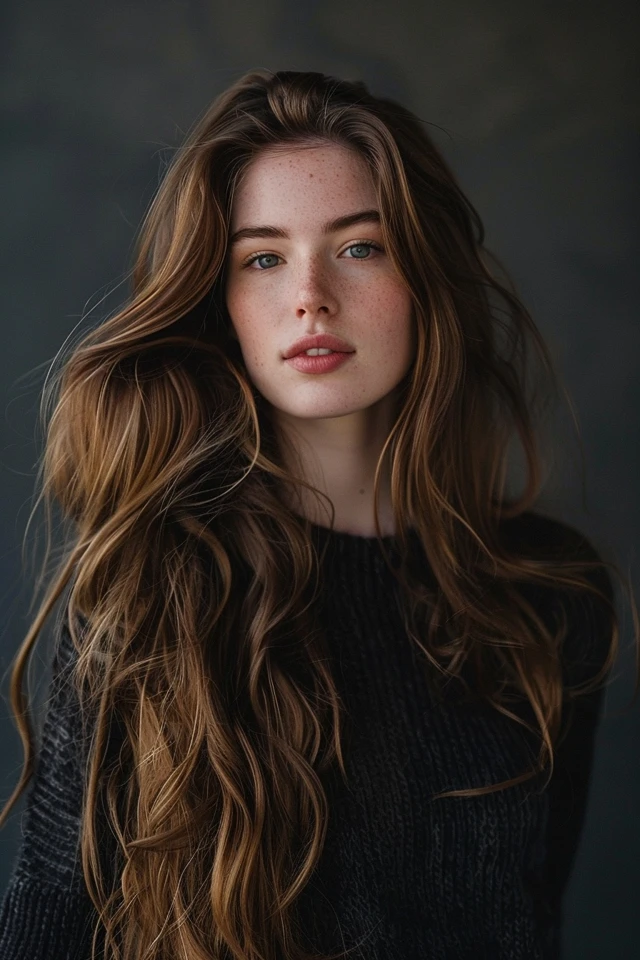
The lob stays structured while the layers add movement. This creates a balanced look. It works well in professional settings. The style stays polished.
Short Face-Framing Layers
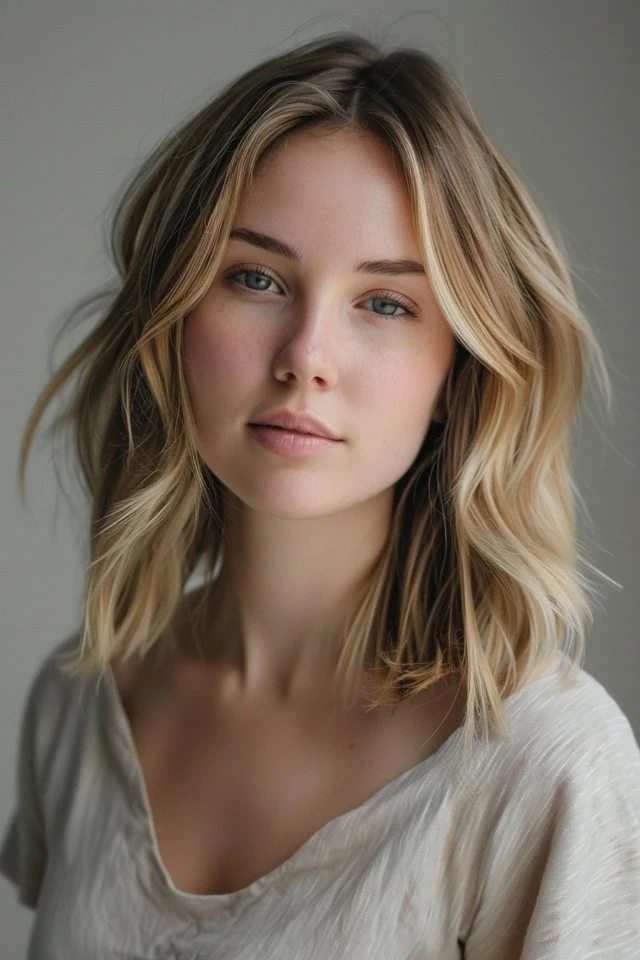
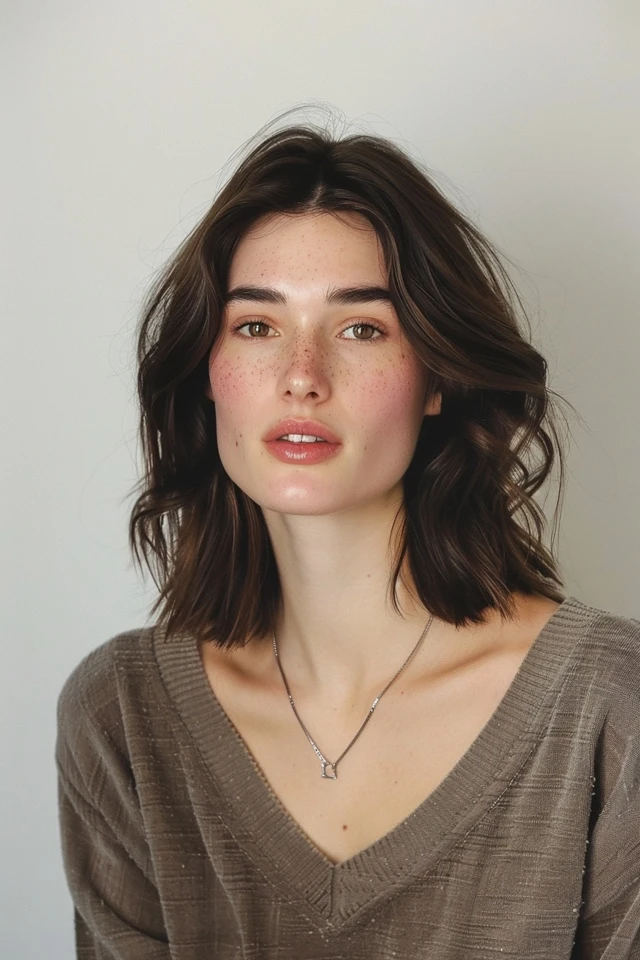
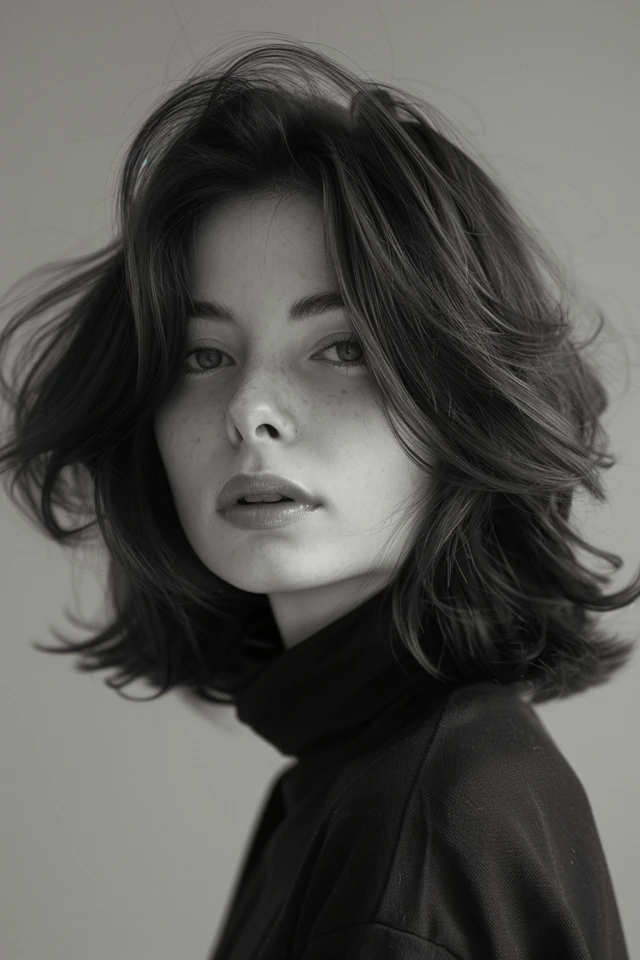
Short styles use lighter layers around the face for lift. They suit petite features and oval faces. Fine hair benefits from the added volume. Styling is quick with minimal product.
1
2
3
4
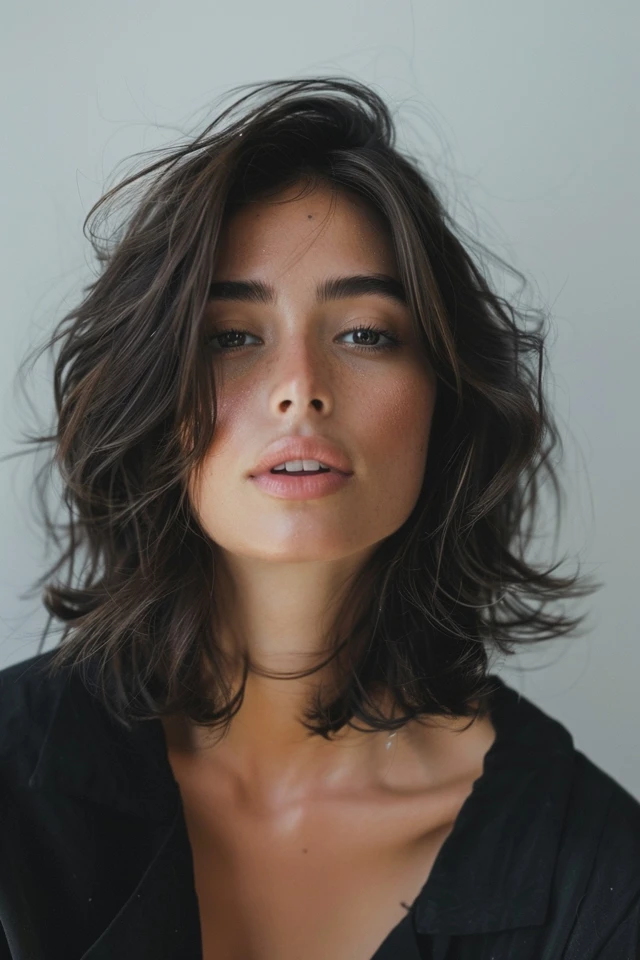
The layers keep the cut from looking flat. This adds dimension. It feels modern and easy to manage. It works well for active lifestyles.
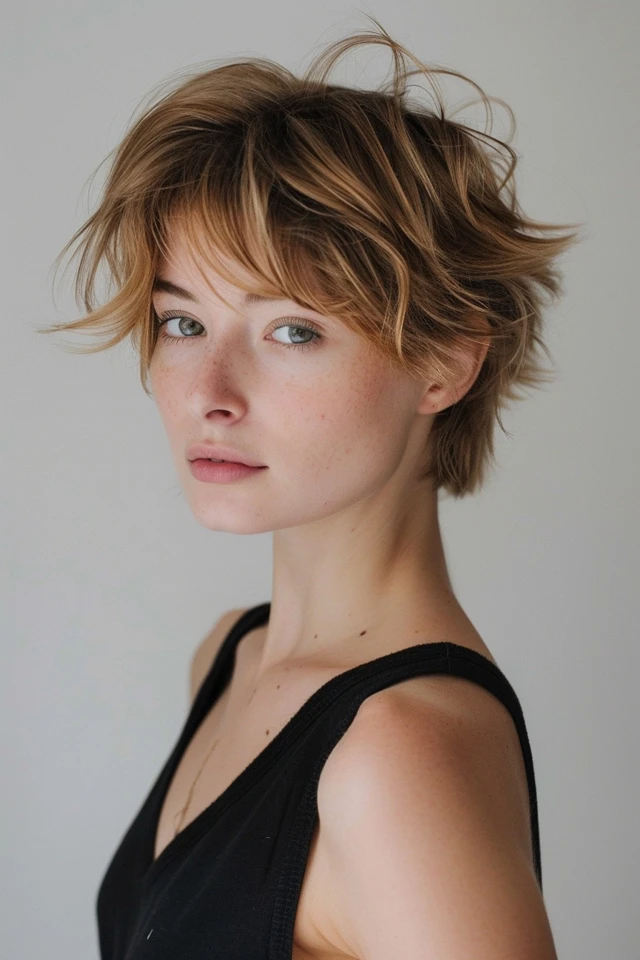
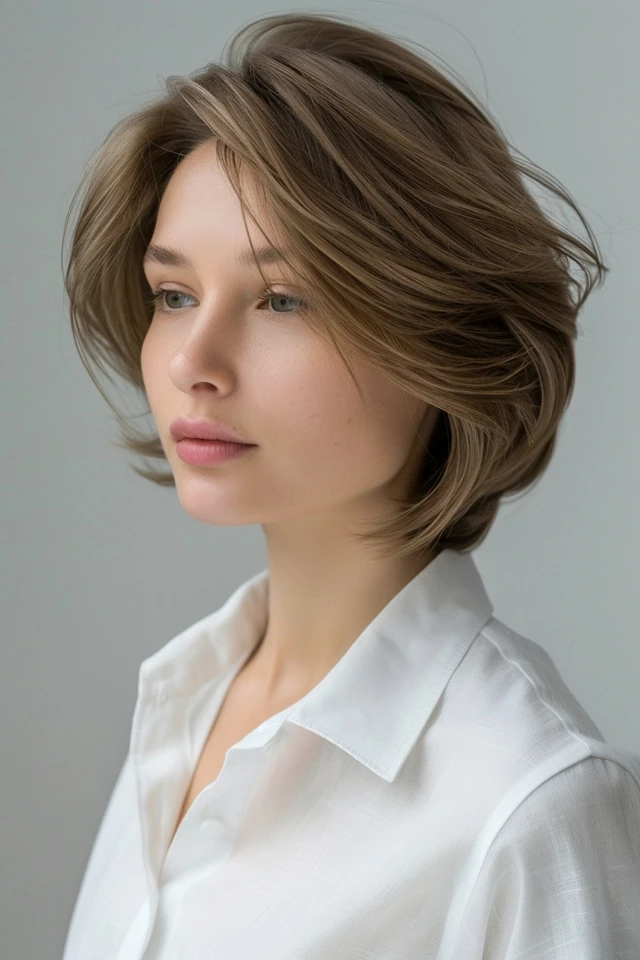
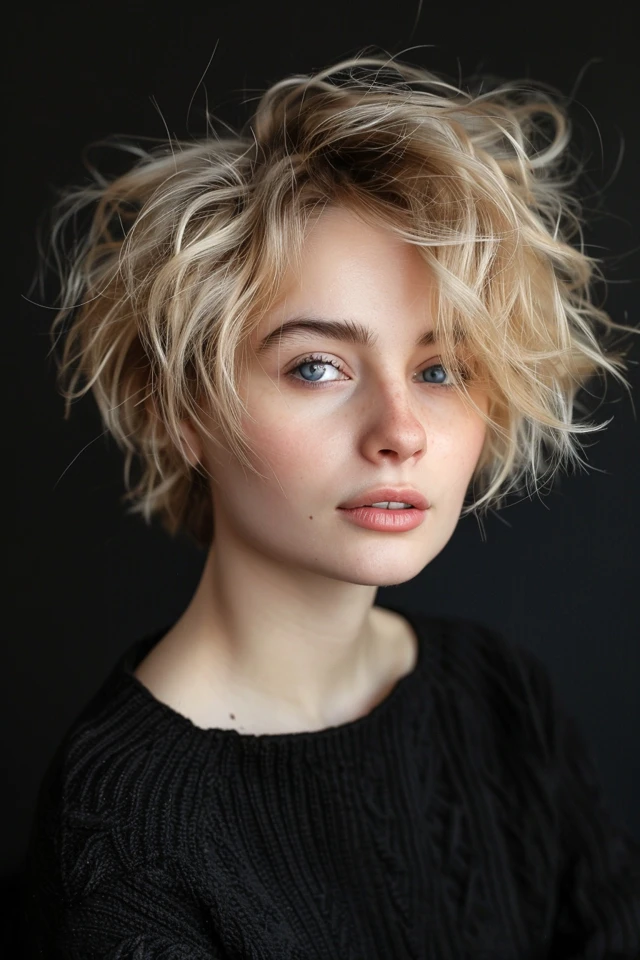
Face-Framing Layers on Wavy Hair
Wavy textures enhance the flow of face-framing layers. They suit most face shapes because waves soften the look. Use a light mousse or salt spray.
1
2
3
4
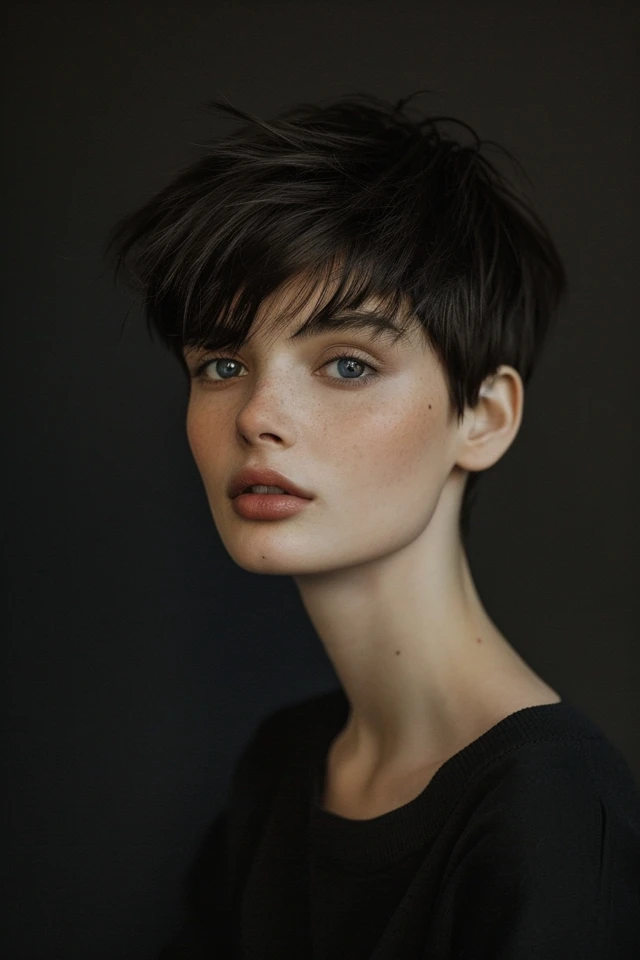
The layers blend into the waves, creating a relaxed finish. This feels natural and effortless. It works well for low-maintenance routines. The movement stays consistent.
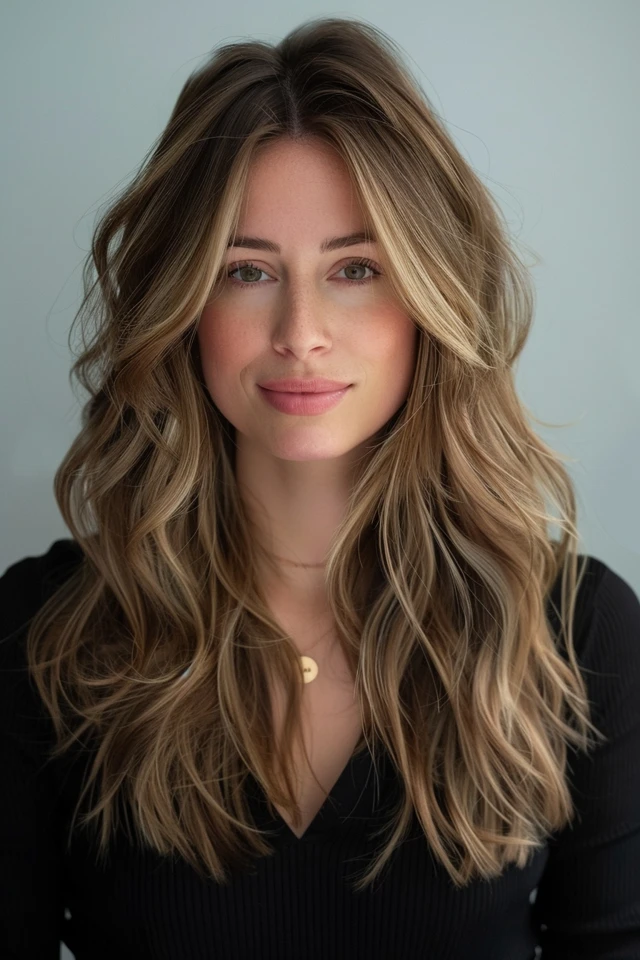
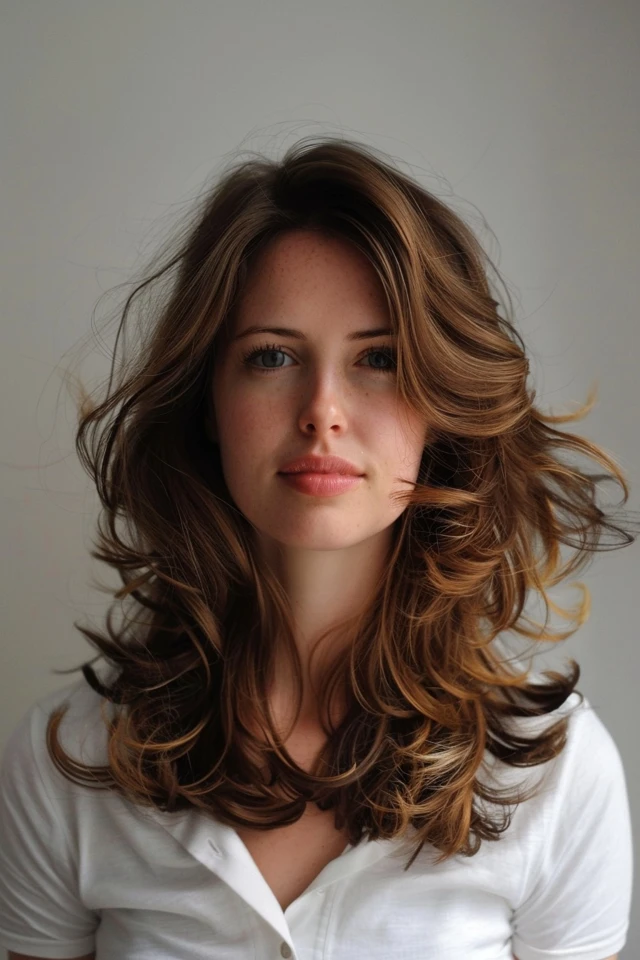
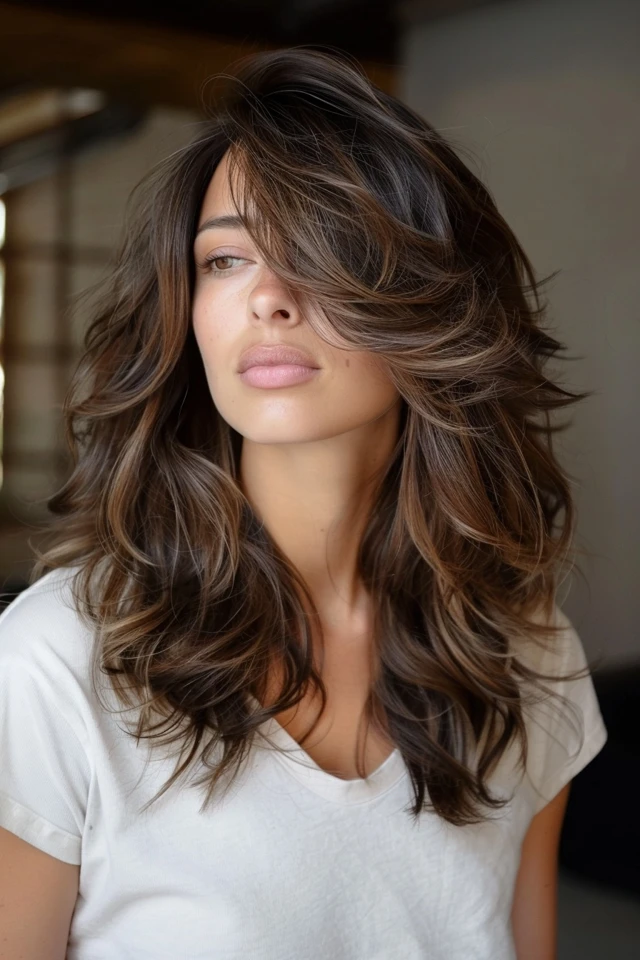
Face-Framing Layers with Curtain Bangs
Curtain bangs pair naturally with face-framing layers. This suits longer face shapes by adding width. Straight and wavy hair types respond well. Blow-dry the bangs outward.
1
2
3
4
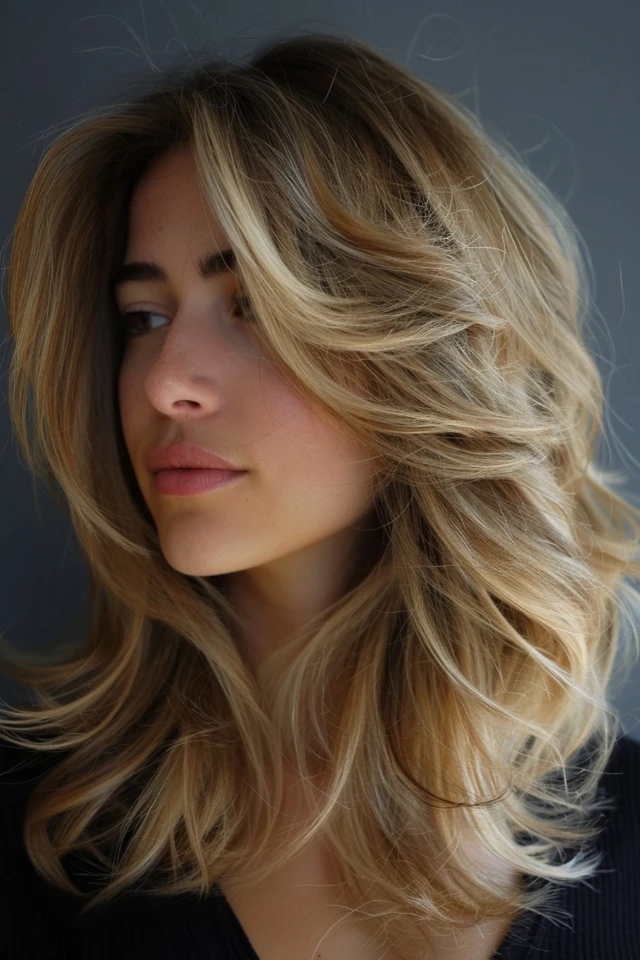
The bangs connect into the layers, creating a seamless transition. This adds depth and structure. It works well for both casual and polished looks.
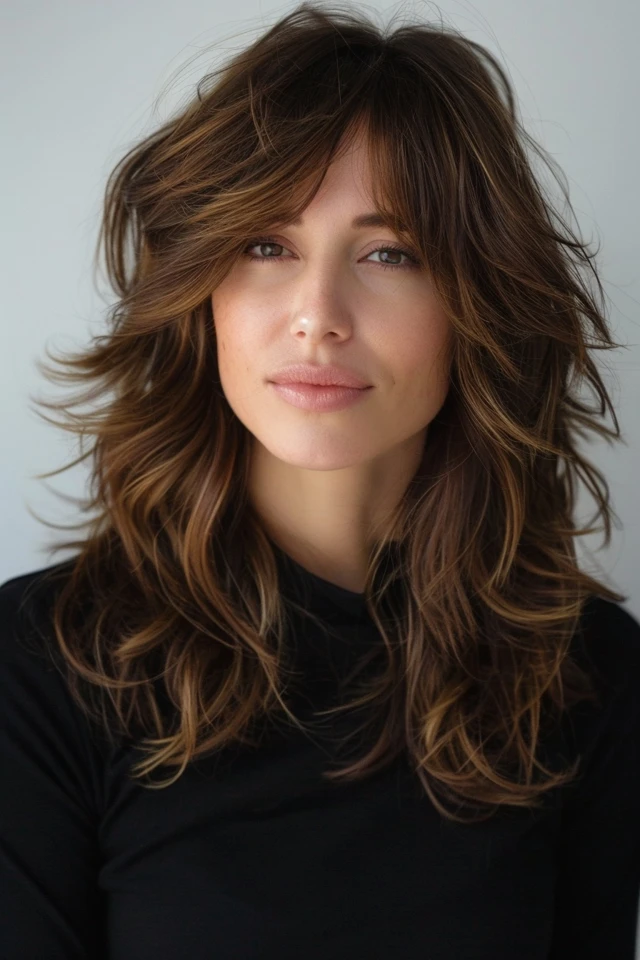
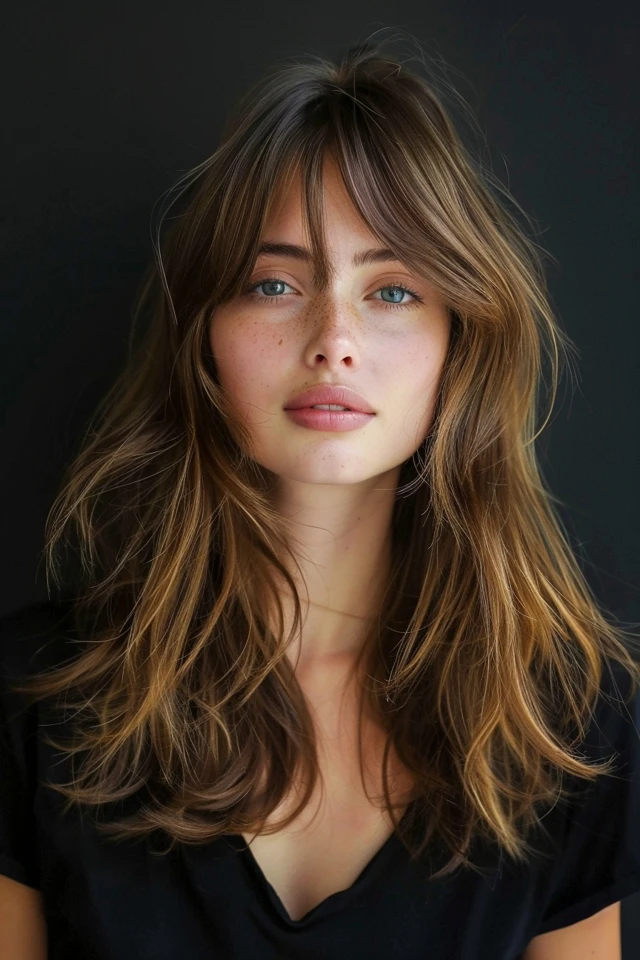
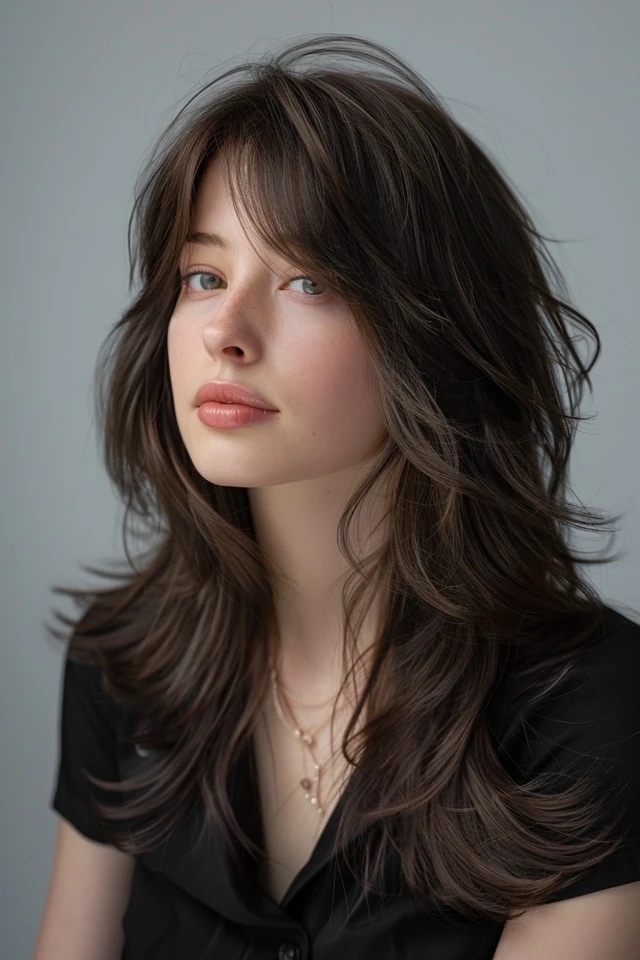
Face-Framing Layers with Soft Waves
Soft waves enhance the movement of the layers. This suits square and round faces. Medium hair types work best. Use a curling wand for loose bends.
1
2
3
4
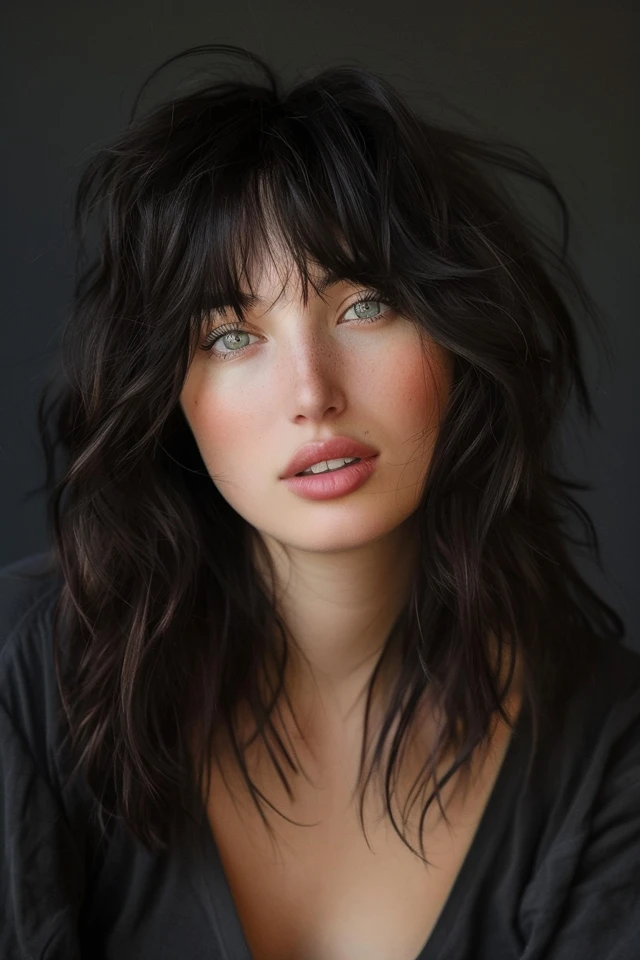
The layers help the waves fall naturally around the face. This creates a relaxed finish. It works well for casual settings. The style feels effortless.
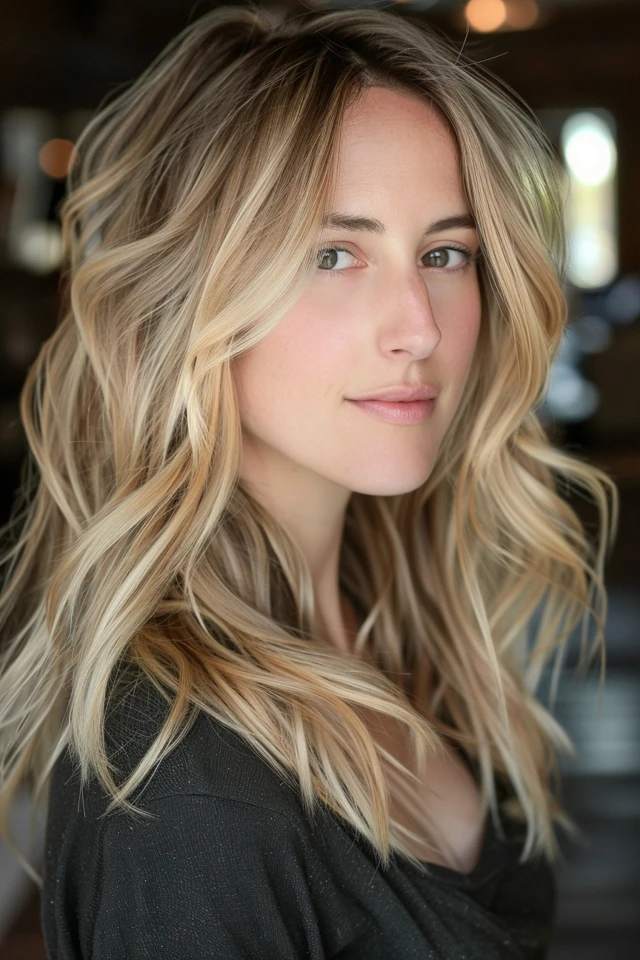
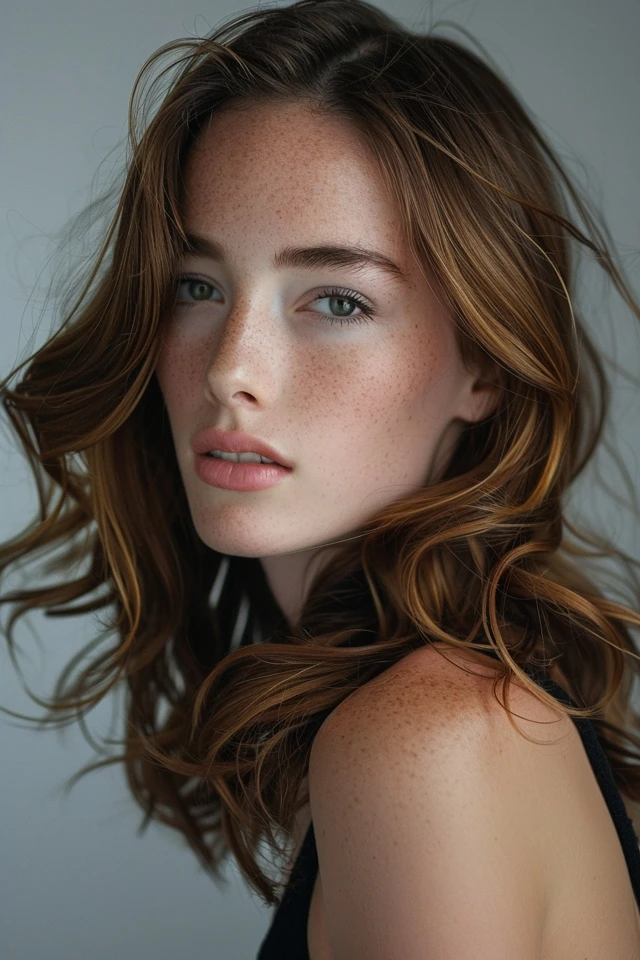
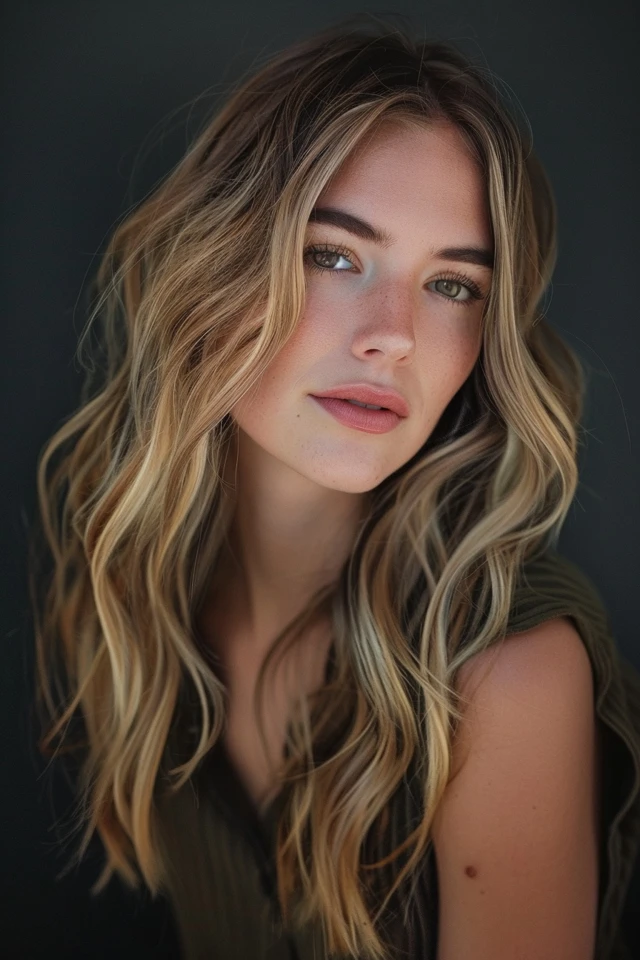
Face-Framing Layers with Highlights
Highlights make the layers more visible. This suits all face shapes. Straight and wavy hair types respond well. Use a gloss or serum for shine.
1
2
3
4
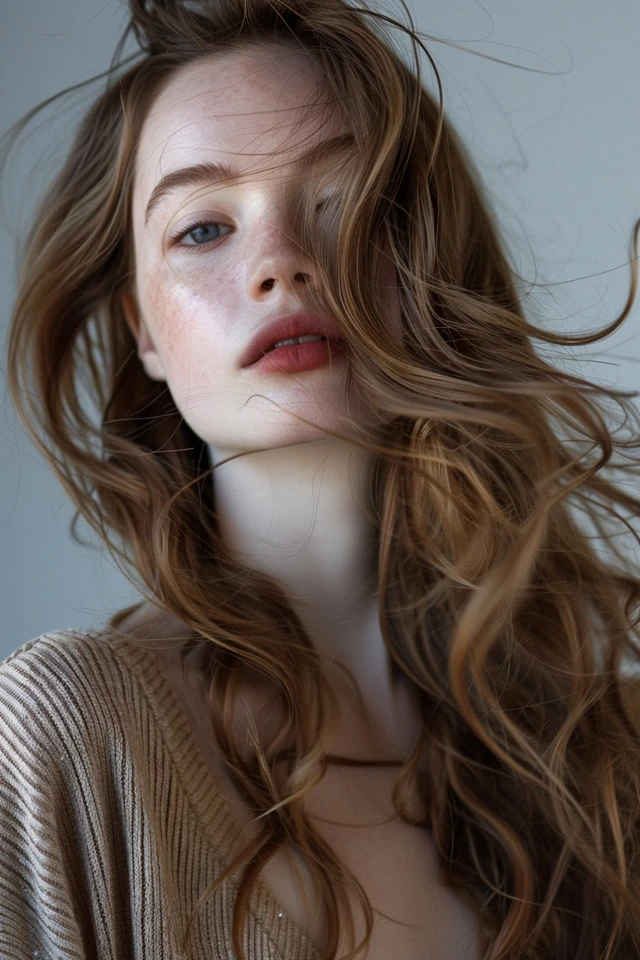
The color variation adds depth and dimension. This enhances the overall shape. It works well for styled looks. The result feels more dynamic.
How to Style Face-Framing Layers for Best Results
Use a round brush and blow-dryer to shape the front layers away from the face. Add loose waves for more movement. Keep products light to avoid weighing the hair down. Focus on maintaining a soft flow. Regular trims help keep the layers balanced and clean.
Final Thoughts on Face-Framing Layers
Face-framing layers offer a simple way to enhance your features without a major change. They add movement, soften the face, and blend easily into different styles. The look stays modern and easy to maintain.
If you want a haircut that highlights your face while staying flexible, this is a strong option. The key question is simple. Do you want subtle shaping, or something more defined around your face?