Micro fringe, also called baby bangs, sit well above the eyebrows and create a sharp focal point. The cut draws attention to the eyes and upper face. It works best when the rest of the hair balances the short fringe with layers or length. Micro fringe (baby bangs) can feel bold, but small adjustments make it wearable. You can keep it blunt for impact or soften it with texture. It suits straight and slightly wavy hair most, though curls can adapt with careful shaping. The result looks defined, modern, and intentional.
Why Micro Fringe (Baby Bangs) Change the Whole Look
Micro fringe (baby bangs) work because they shift attention upward. The short length highlights the eyes, brows, and cheekbones. This can sharpen softer features and add structure to longer face shapes. The contrast between short fringe and longer lengths creates visual interest without needing heavy styling.
They also offer flexibility in how bold you go. You can keep the fringe slightly textured for a softer effect or cut it blunt for a stronger statement. Micro fringe (baby bangs) pair well with layered cuts, bobs, and shags. This makes them adaptable across styles and routines.
8 Micro Fringe (Baby Bangs) Styles to Try
Classic Micro Fringe (Baby Bangs)
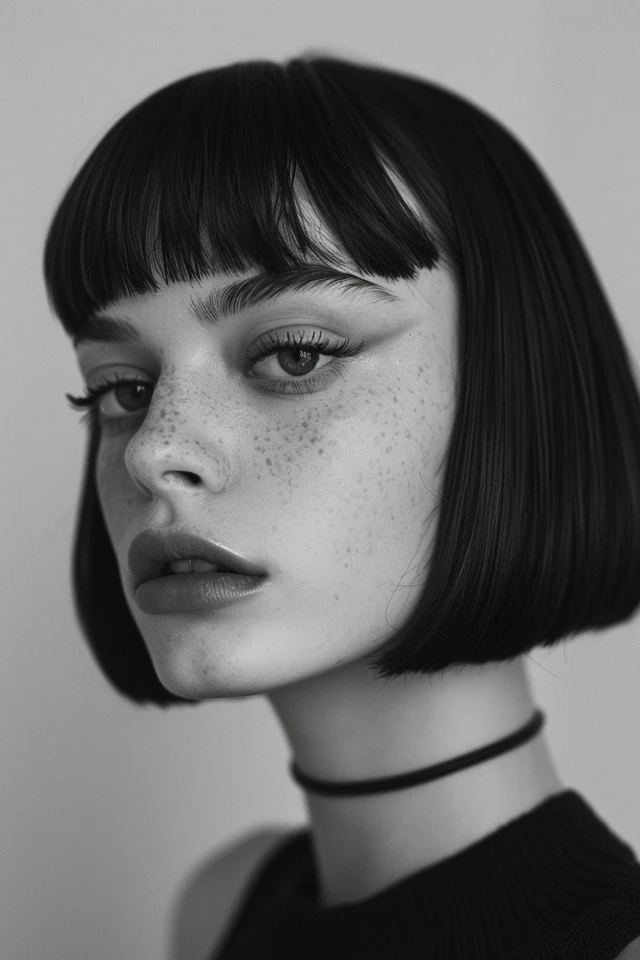
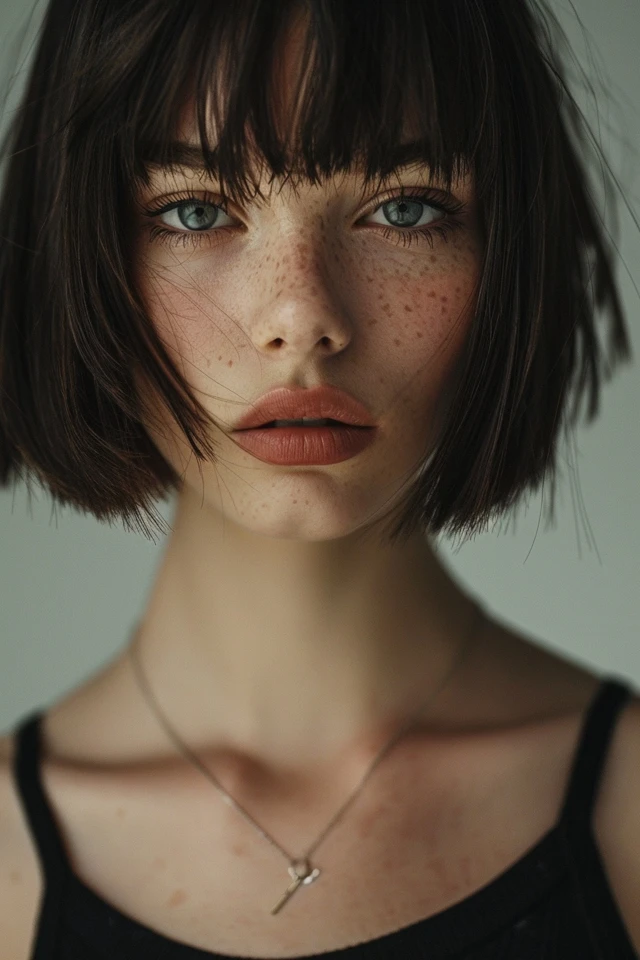
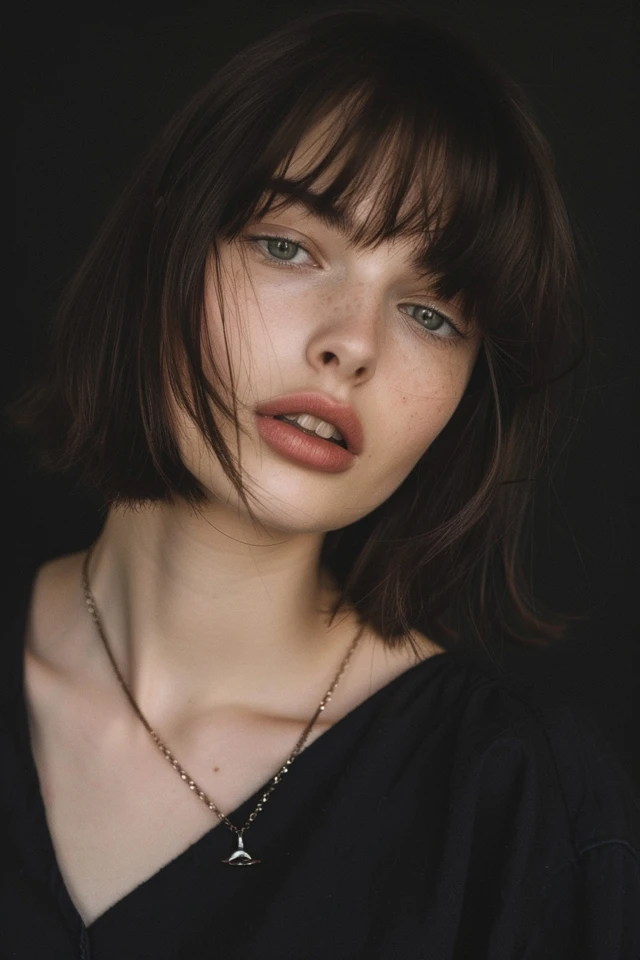
This version keeps a clean, blunt fringe above the brows. It suits oval and heart-shaped faces because it maintains balance. Straight hair works best for a sharp finish. Use a flat iron to keep the fringe smooth and precise.
1
2
3
4
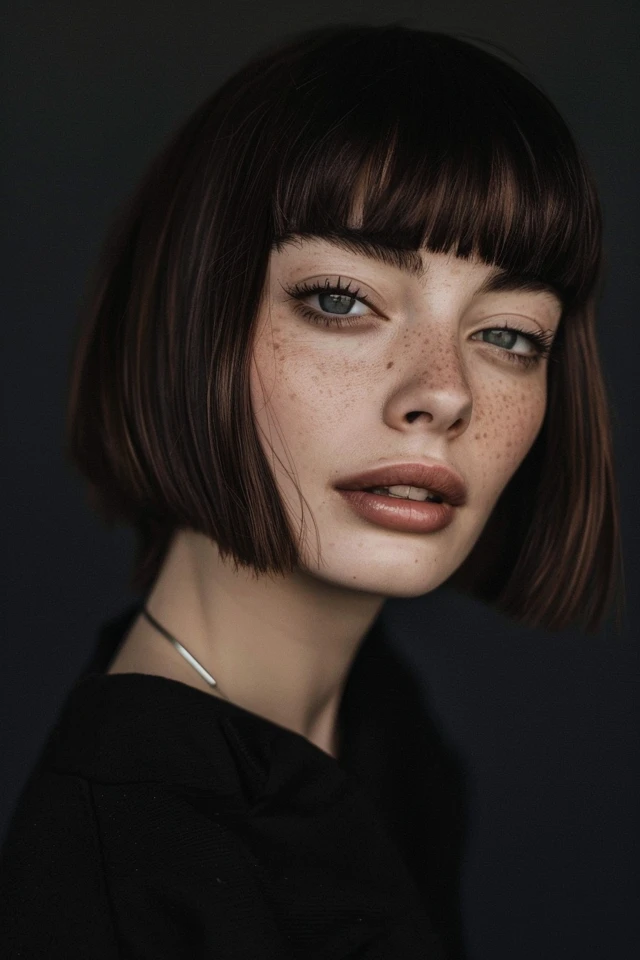
The rest of the hair stays simple, often with light layering. This keeps the focus on the fringe. It works well in both casual and structured settings. The look stays consistent with minimal styling effort.
Textured Micro Fringe (Baby Bangs)
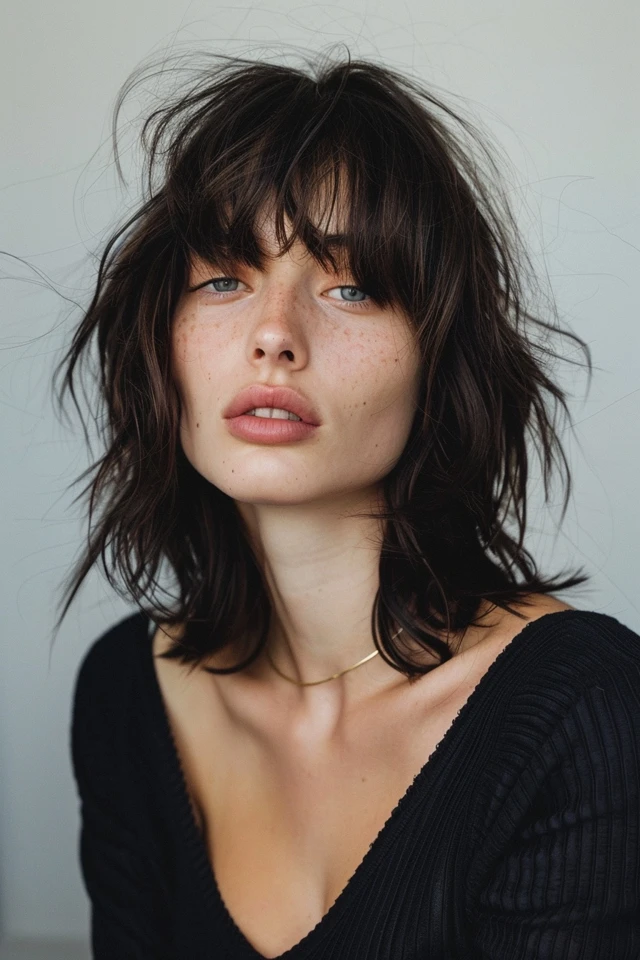
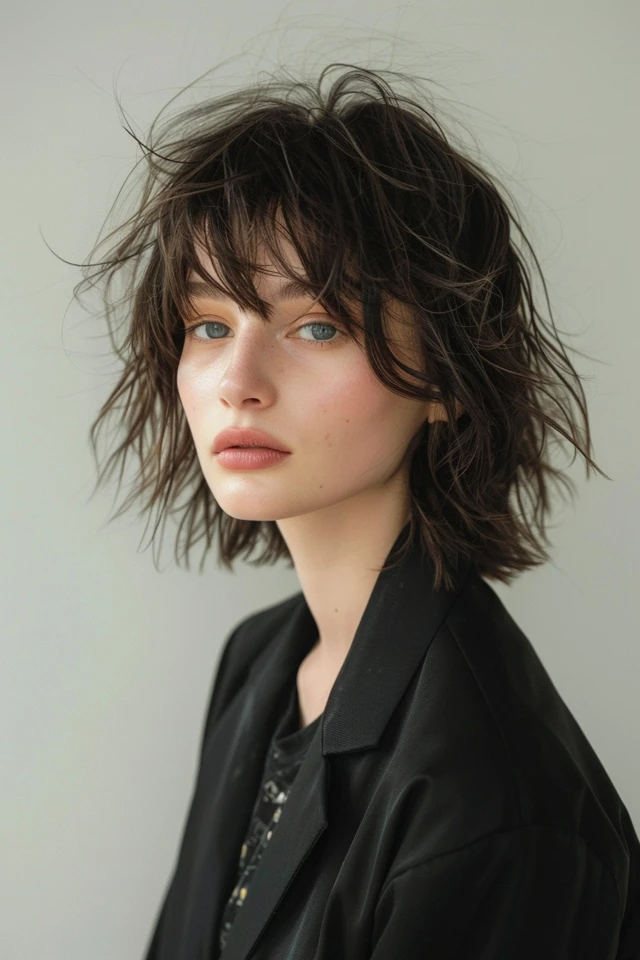
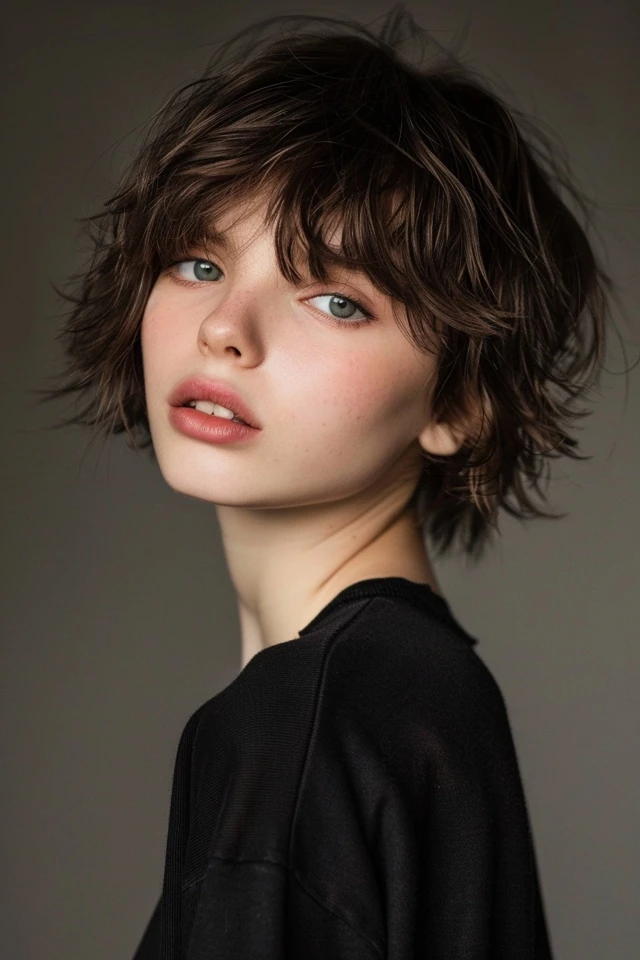
Textured baby bangs soften the sharpness of the cut. This suits round and square faces by reducing harsh lines. Wavy hair works well here. Use a light styling cream to define the pieces without flattening them.
1
2
3
4
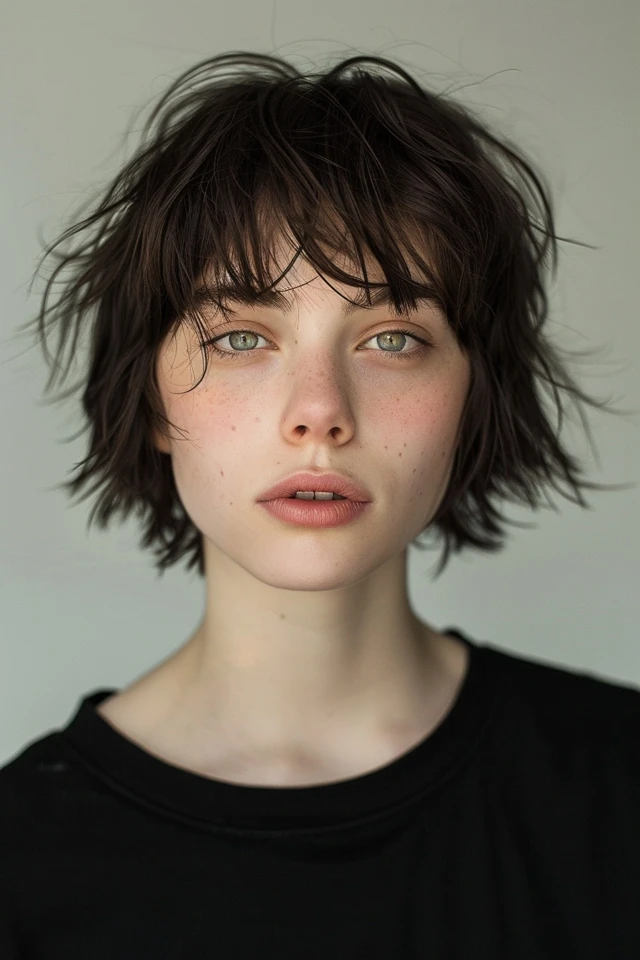
The fringe has slight separation, which makes it feel less rigid. The rest of the hair can carry soft layers. This creates a relaxed look that still feels intentional. It’s easier to maintain than a blunt version.
Curly Micro Fringe (Baby Bangs)
Curly micro fringe adapts the look to natural curls. It suits most face shapes because curls soften the short length. Use curl cream and avoid over-cutting to prevent shrinkage issues.
1
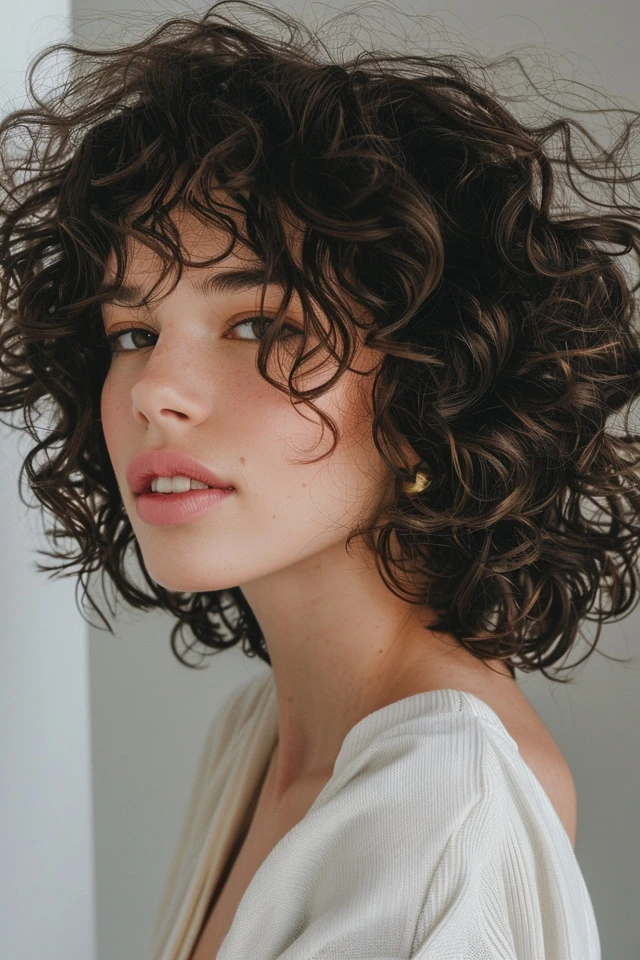
2
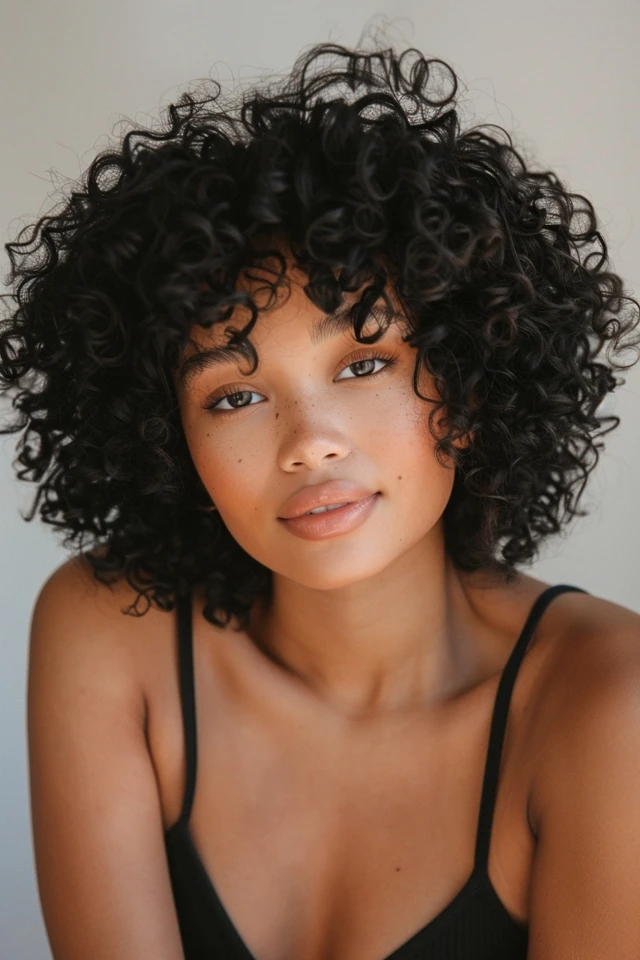
3
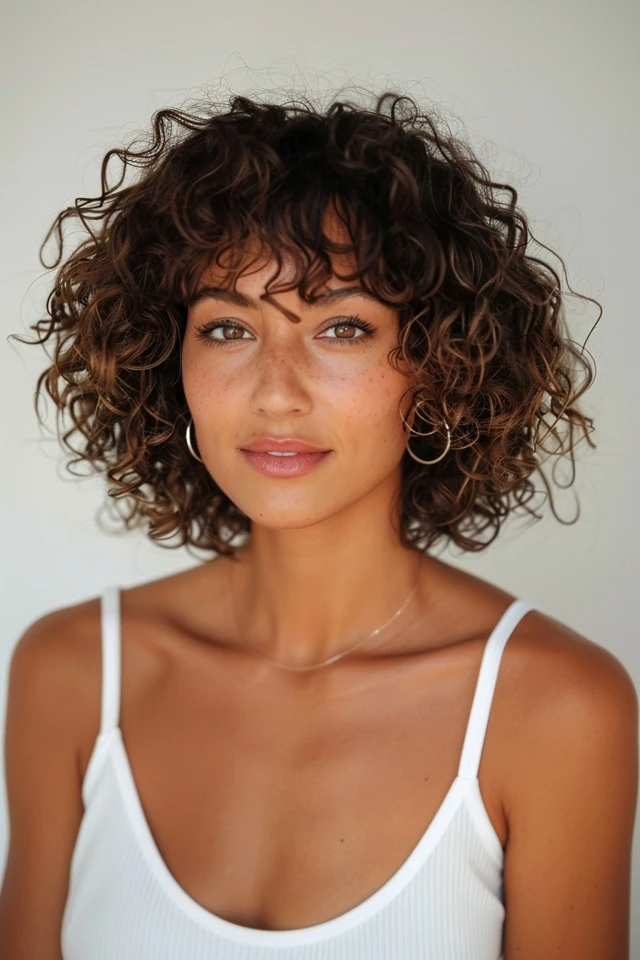
4
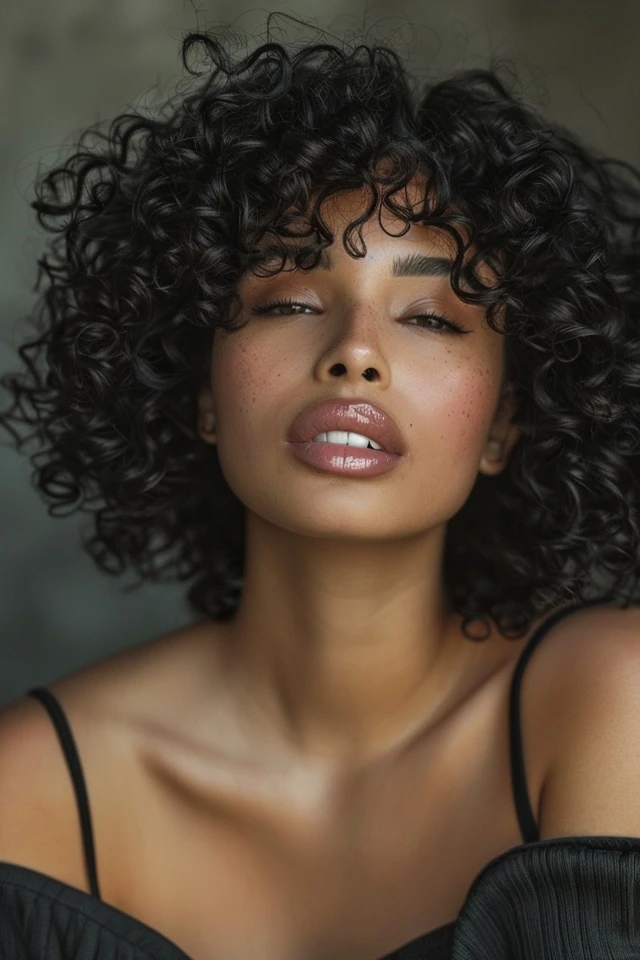
The fringe blends into the rest of the curls instead of sitting flat. This creates a cohesive shape. It feels expressive but still balanced. This version works well for low-maintenance routines that embrace texture.
Micro Fringe (Baby Bangs) with Bob
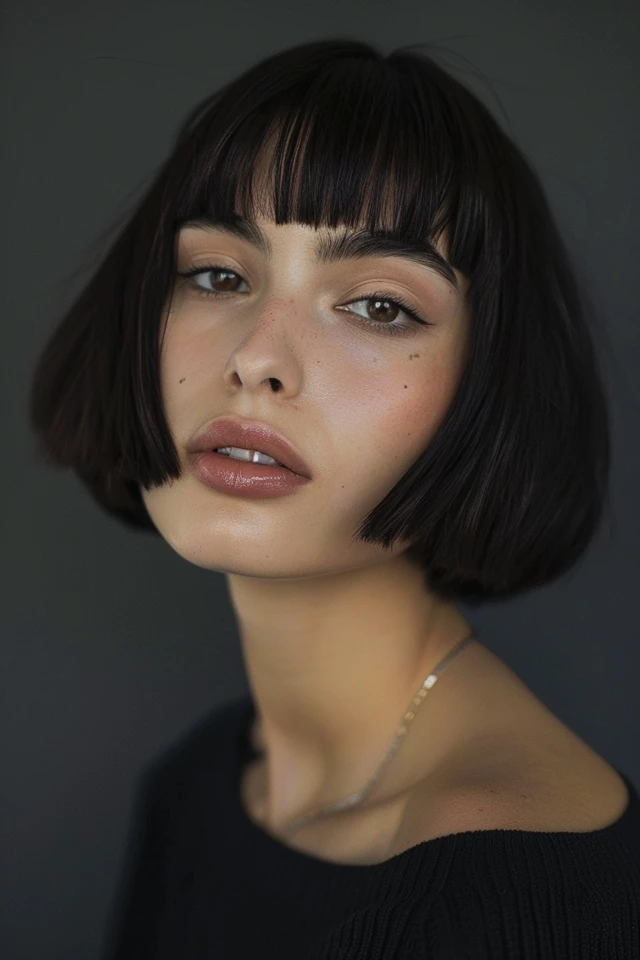
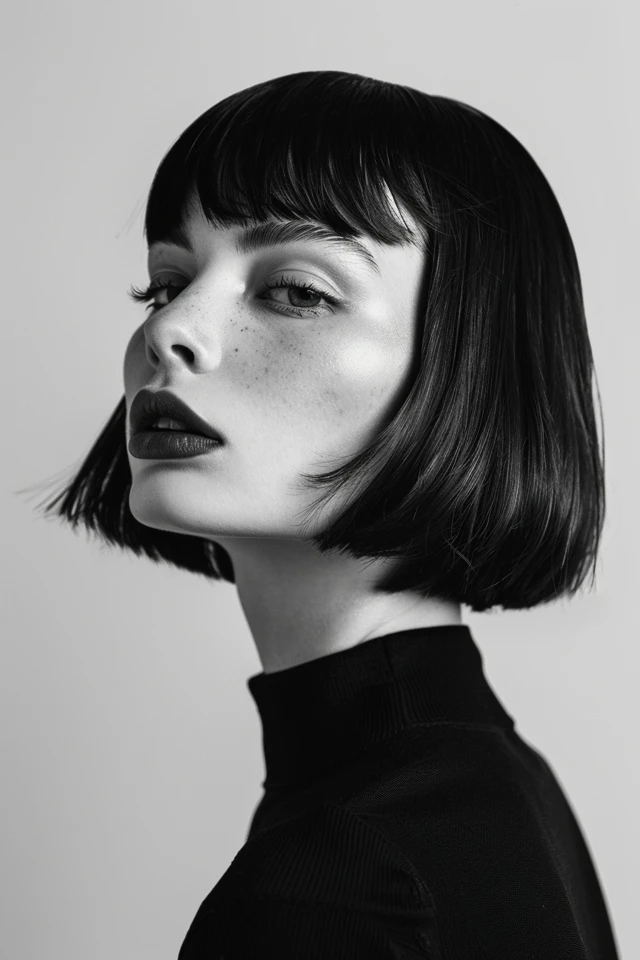
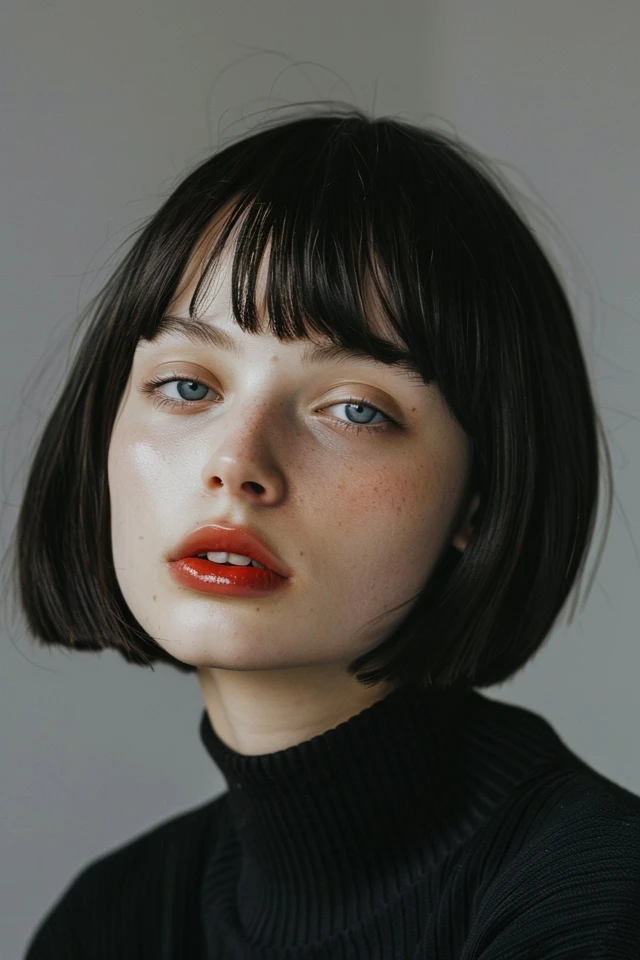
Pairing baby bangs with a bob creates a structured look. It suits round faces by adding angles. Straight and slightly wavy hair work best. Blow-dry the bob inward for a clean finish.
1
2
3
4
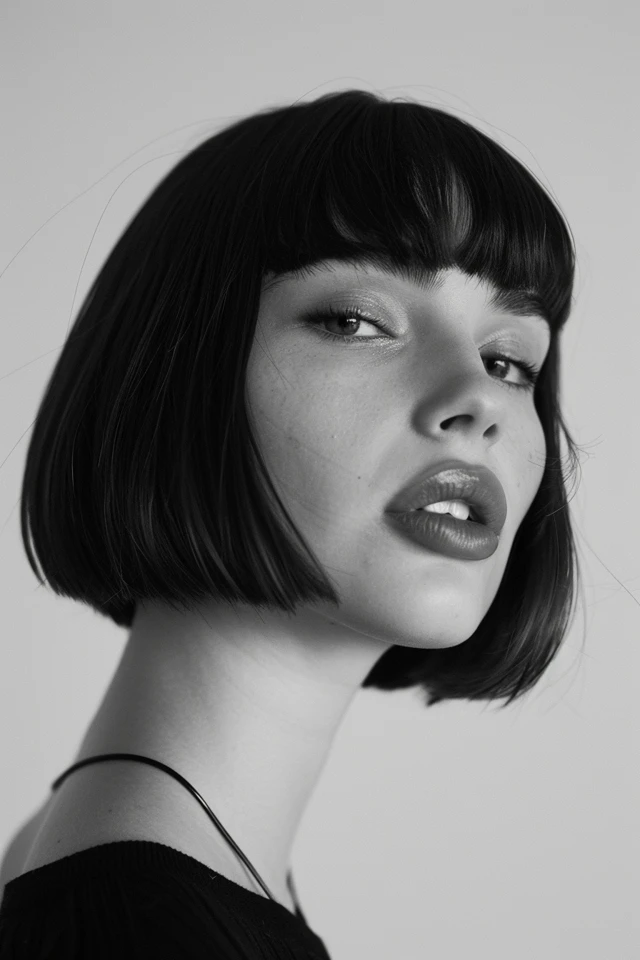
The short fringe contrasts with the structured length. This creates a modern silhouette. It works well for professional and casual settings. The style stays polished with minimal effort.
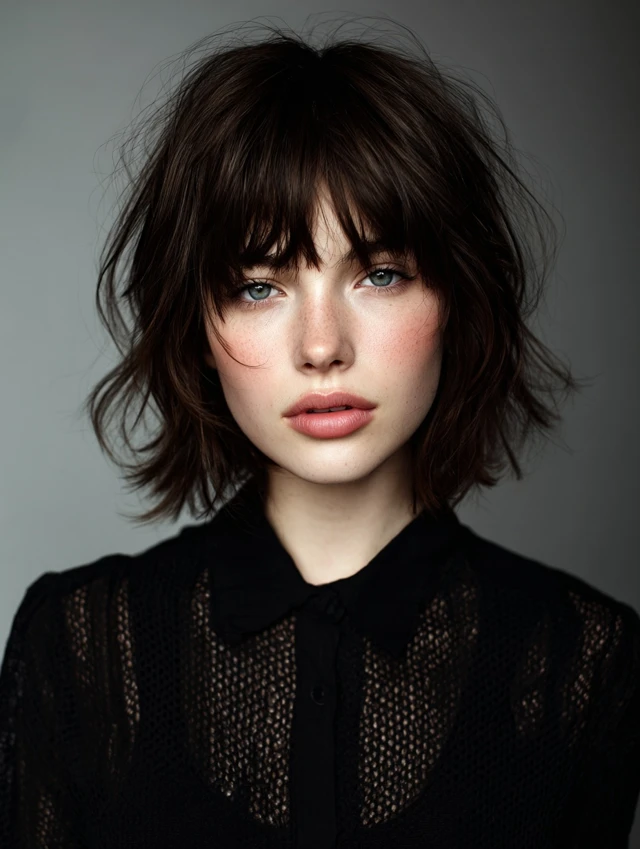
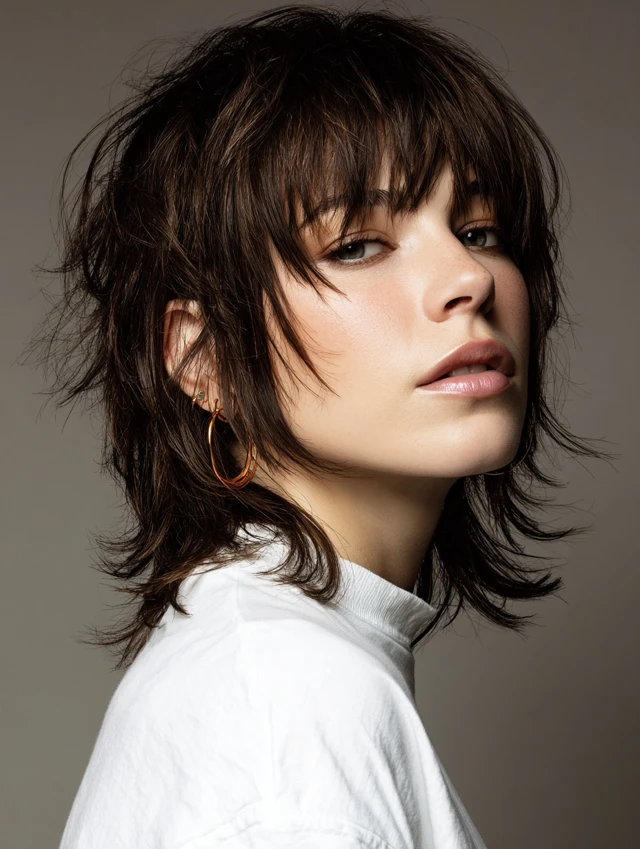
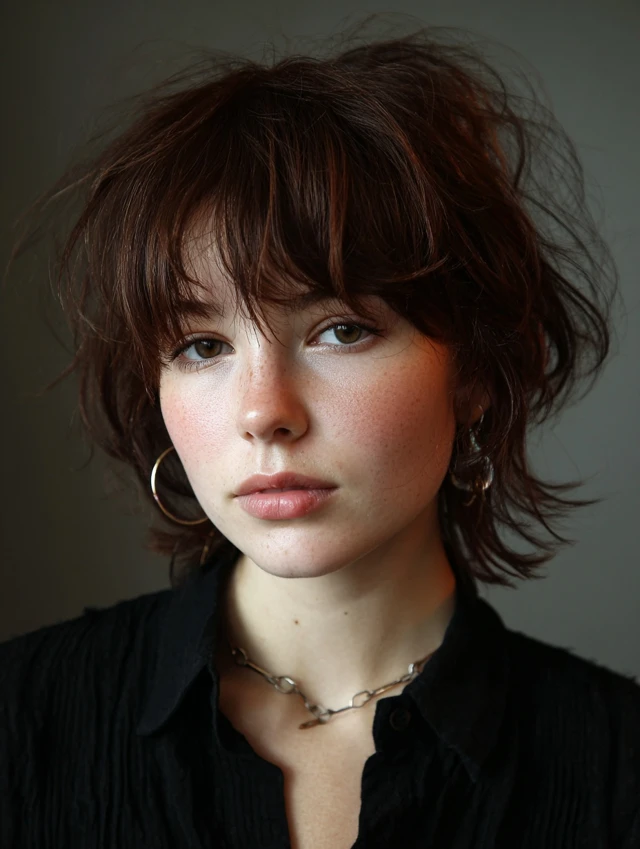
Micro Fringe (Baby Bangs) with Shag
This version mixes baby bangs with layered shag texture. It suits most face shapes because the layers soften the fringe. Wavy and thick hair benefit most. Use a salt spray for movement.
1
2
3
4
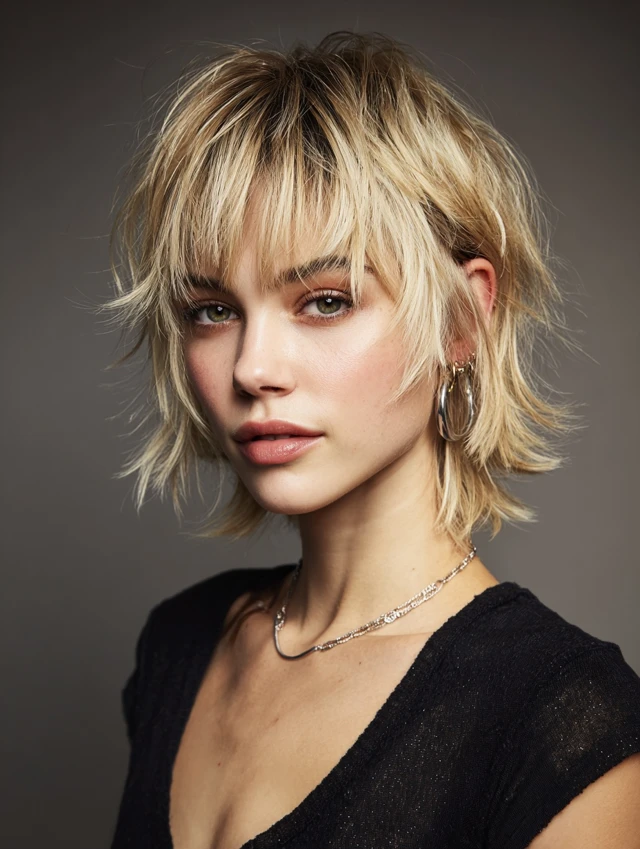
The fringe stays short while the rest of the hair carries texture. This creates a balanced contrast. It feels relaxed and slightly edgy. It’s a good option if you want something less structured.
Asymmetrical Micro Fringe (Baby Bangs)
Asymmetrical baby bangs add variation and edge. This suits angular face shapes. Straight hair works best to show the uneven line. Styling requires a bit more precision to keep the shape clear.
1
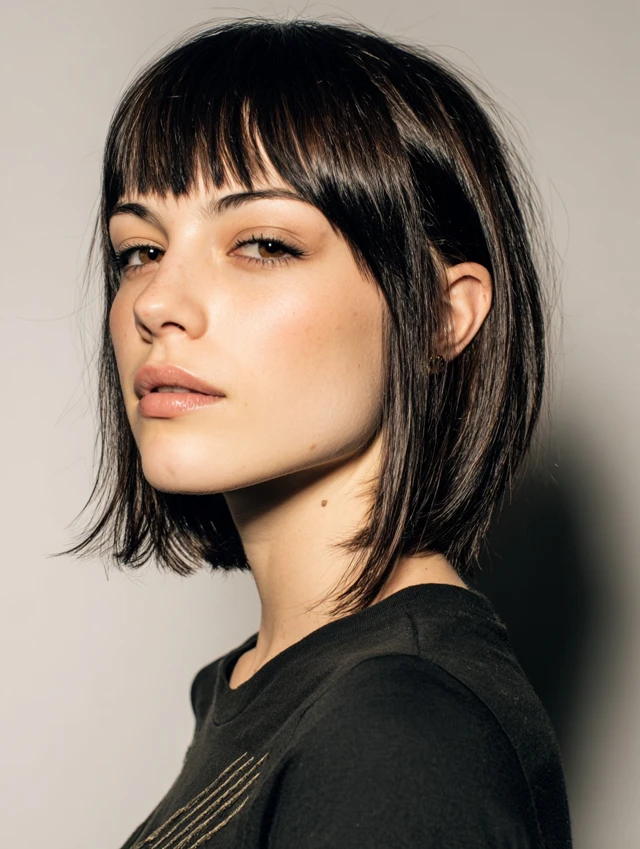
2
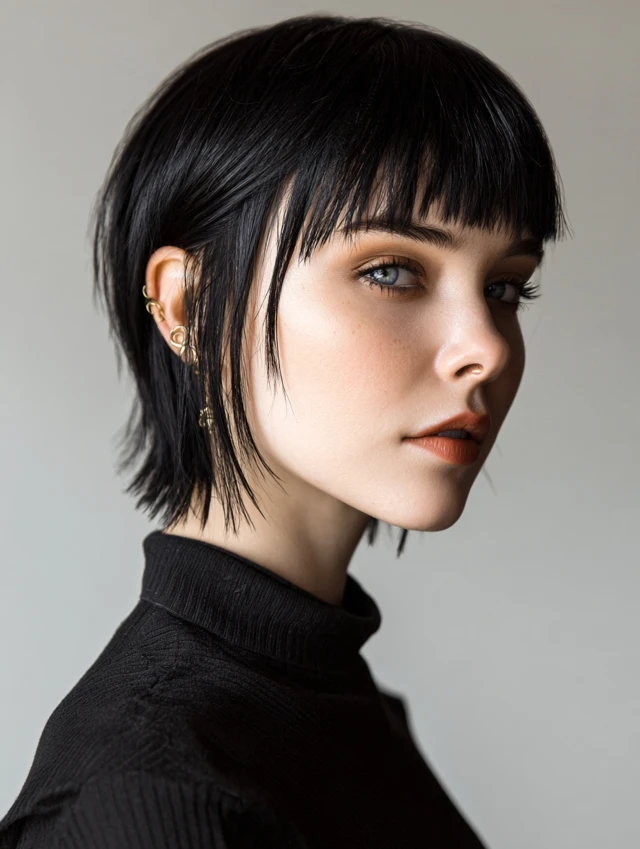
3
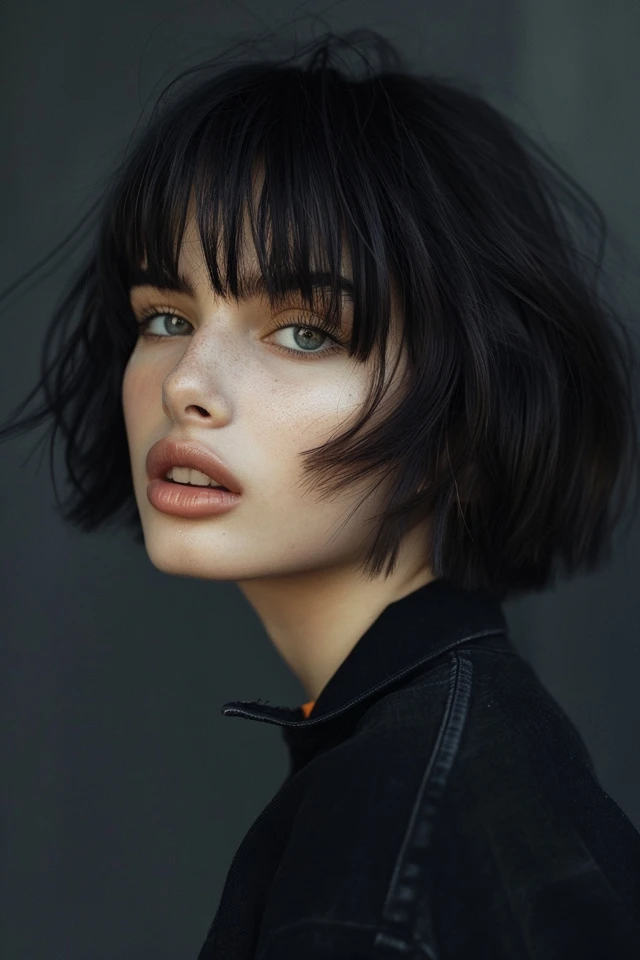
4
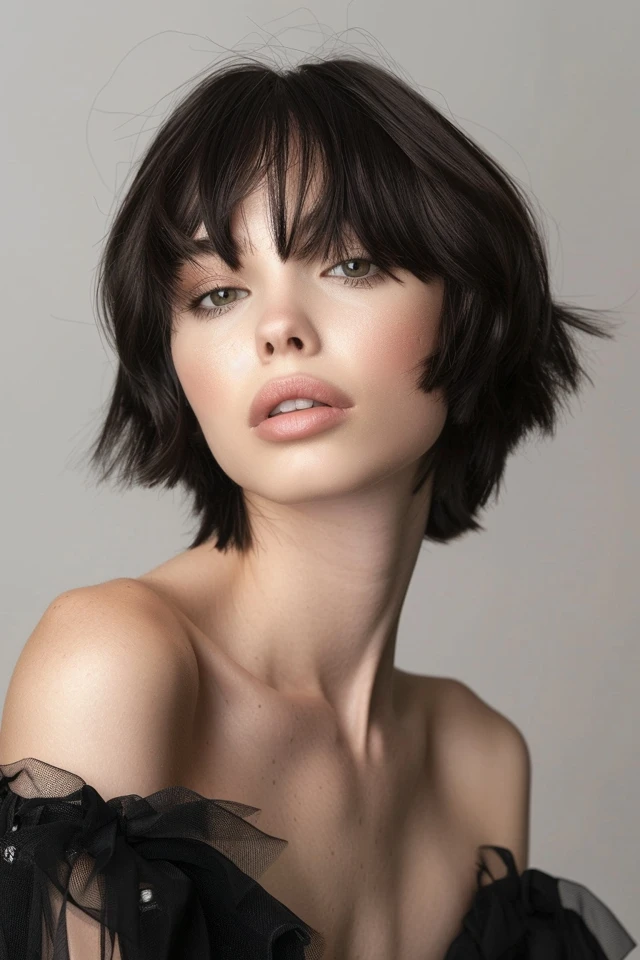
The fringe sits slightly angled across the forehead. The rest of the hair can stay simple or layered. This creates a unique look without being too complex. It works well in creative environments.
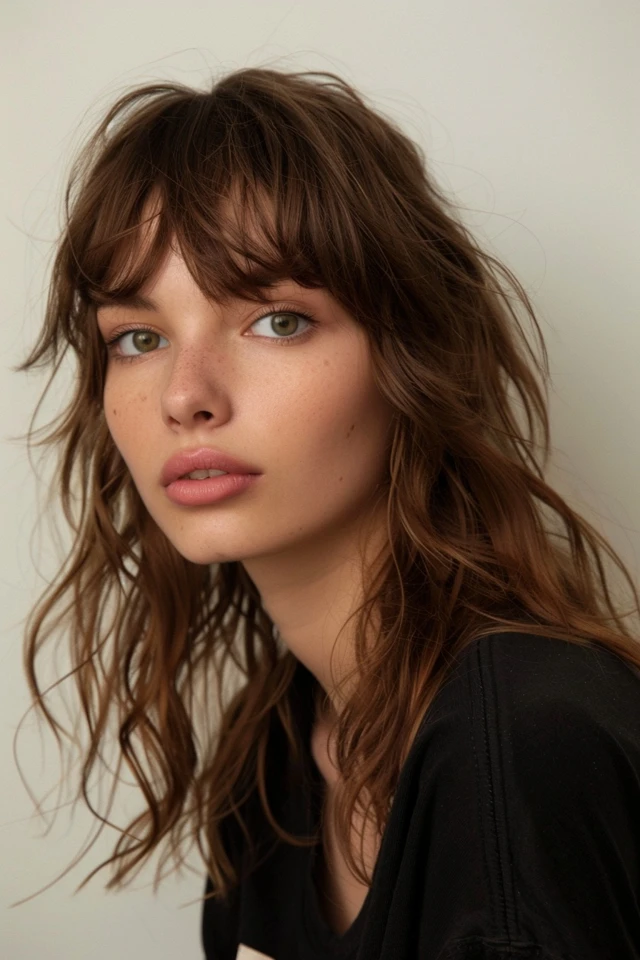
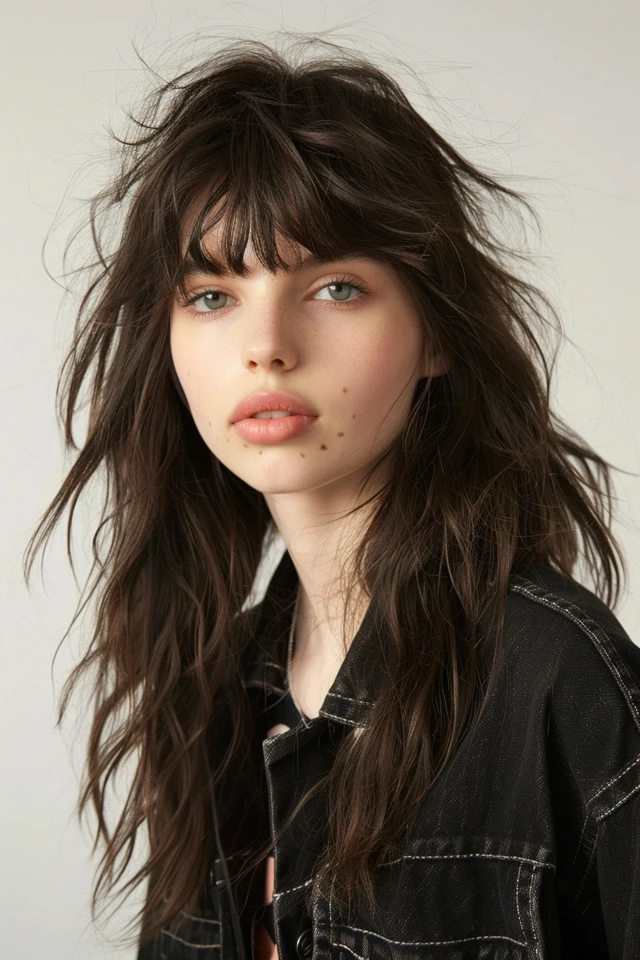
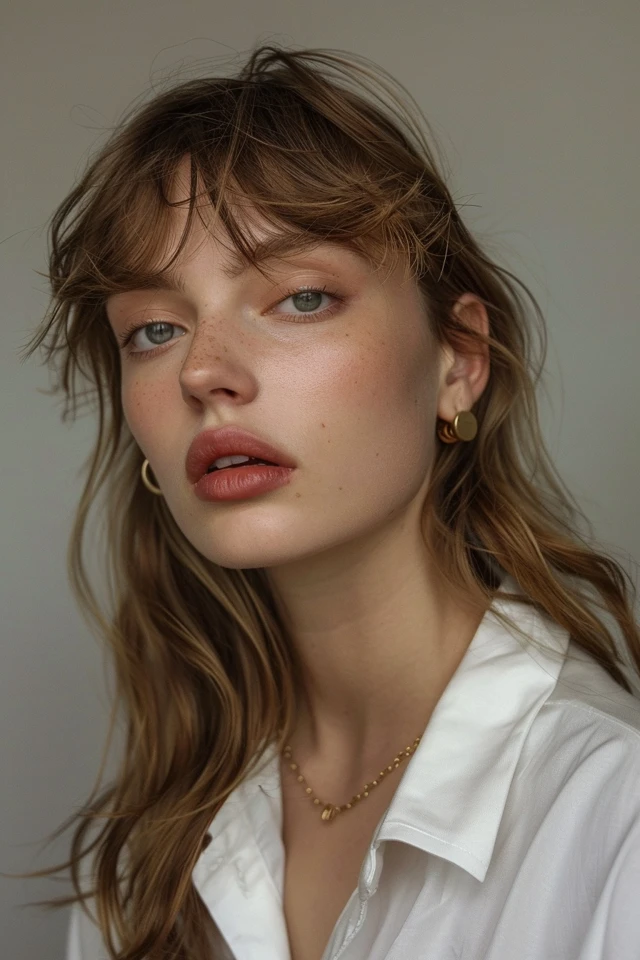
Micro Fringe (Baby Bangs) with Long Layers
Long layers balance the short fringe. This suits square faces by softening strong features. Thick hair benefits from the added movement. Use a smoothing serum on the ends.
1
2
3
4
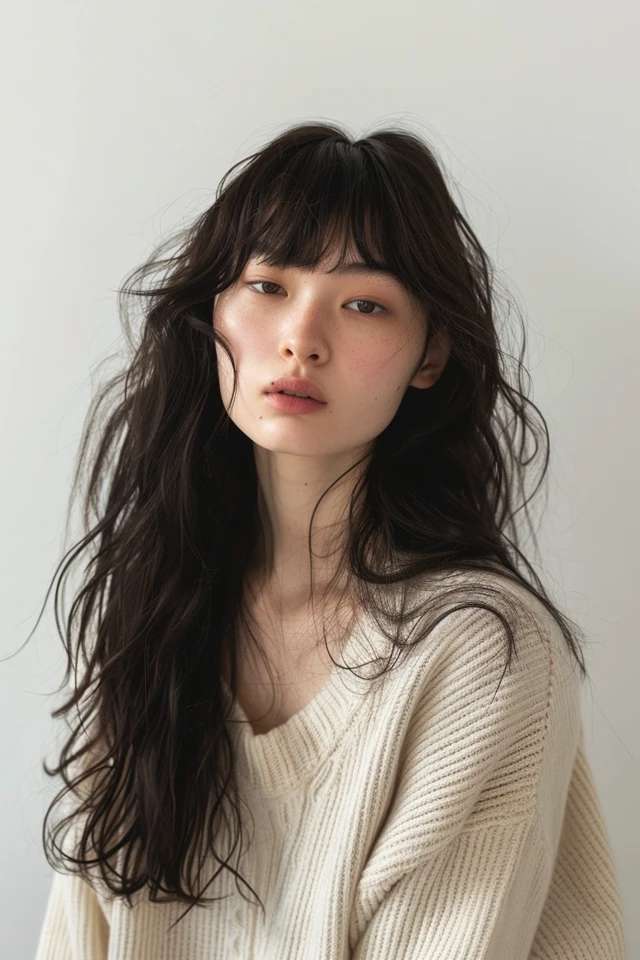
The contrast between short bangs and long lengths creates depth. This keeps the style from feeling too sharp. It works well for both casual and styled looks. You get flexibility without losing structure.
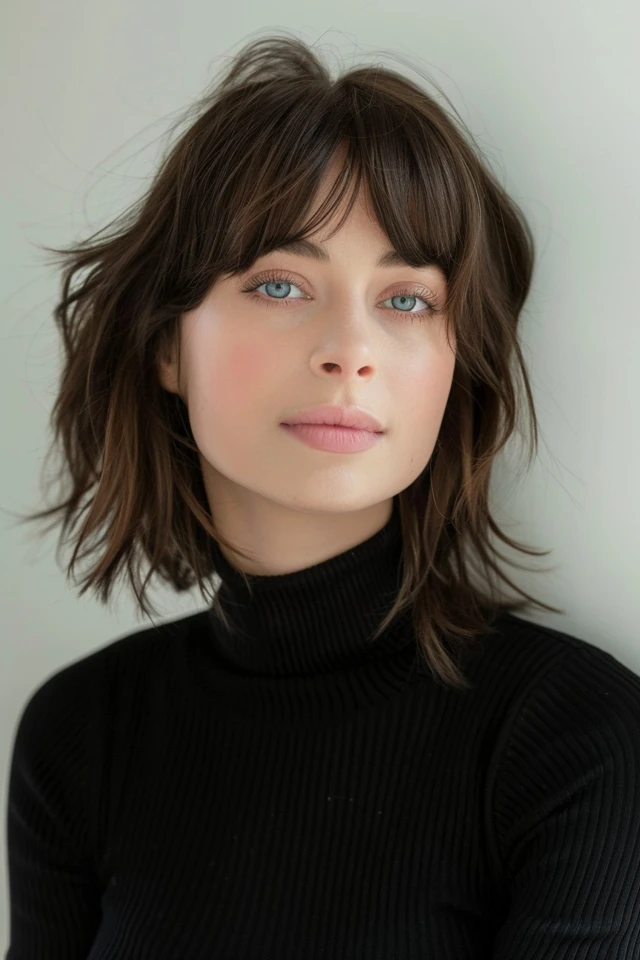
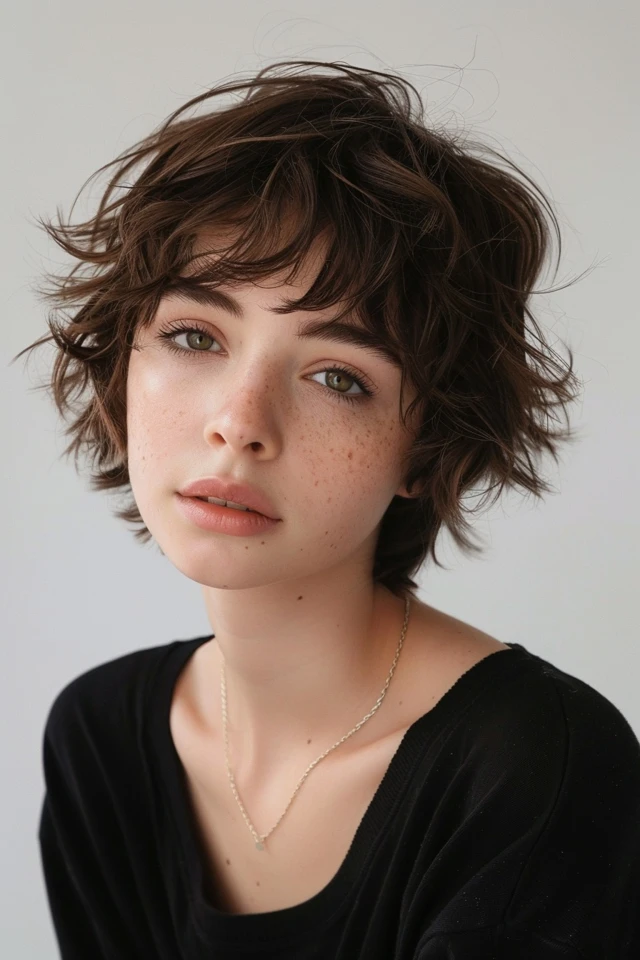
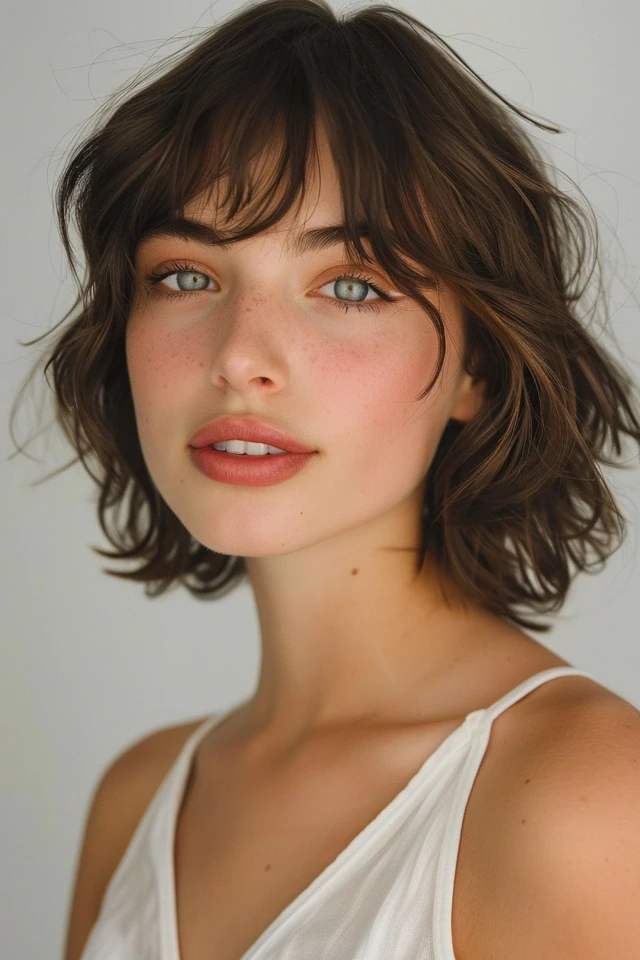
Soft Micro Fringe (Baby Bangs)
Soft baby bangs use lighter cutting to reduce harsh edges. This suits most face shapes and works well for first-time wearers. Fine to medium hair types benefit most. Use a light blow-dry for shape.
1
2
3
4
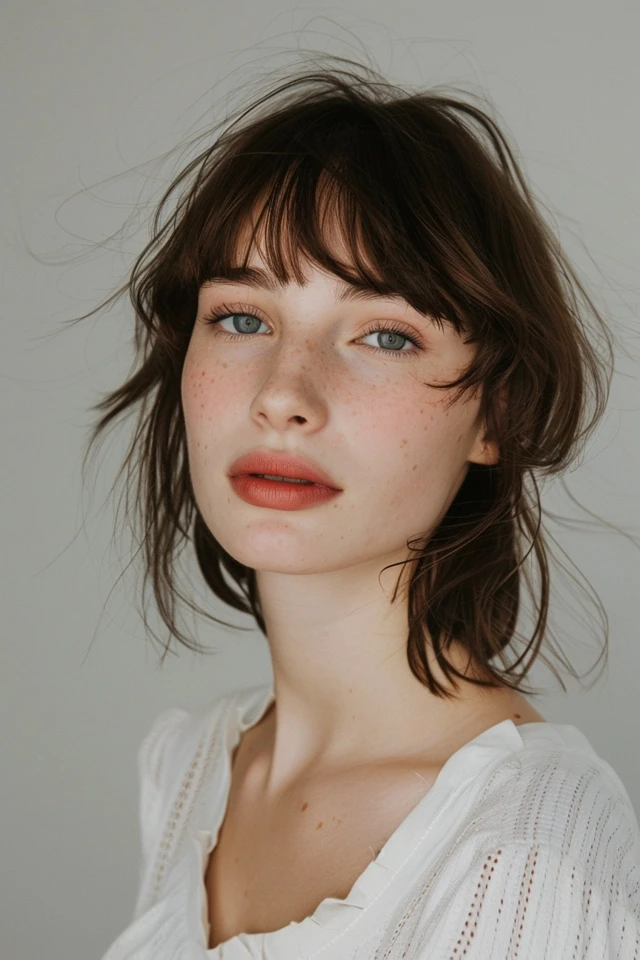
The fringe sits above the brows but feels less rigid. The rest of the hair blends smoothly. This makes the look easier to grow out. It’s a practical entry point into micro fringe styles.
How to Style Micro Fringe (Baby Bangs) with Precision
Keep the fringe clean and controlled. Use a flat iron or small round brush to shape it daily. Avoid heavy products that weigh it down. Trim regularly to maintain the length and line. Focus on balance. Keep the rest of the hair either soft or structured to support the fringe.
Final Thoughts on Micro Fringe (Baby Bangs)
Micro fringe (baby bangs) create a strong focal point with minimal length. They add structure, highlight facial features, and shift the overall style. The look can feel bold, but small adjustments make it wearable.
If you want a haircut that stands out without needing complex styling, this works. The key question is simple. Are you ready for a fringe that puts your face front and center?